


For as long as I can remember, my mom has always dreamed of visiting Iceland. Captivated by tales of the Northern Lights, geysers, and sprawling glaciers, she would often speak of this Nordic island as if it were an enchanting world waiting to be discovered. After years of envisioning this trip, we finally made it happen.
Embarking on a journey through Iceland is like stepping into a realm of natural wonders and breathtaking landscapes. Our trip to this enchanting land took us on an unforgettable adventure, filled with awe-inspiring sights and unique experiences.
A Journey Through Iceland: From the Northern Lights to Glacial Wonders
Day 1: Arrival in Reykjavik and Journey to Kirkjubæjarklaustur
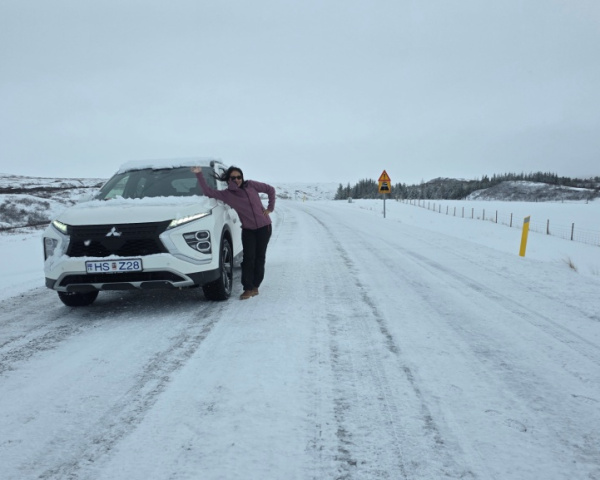
Our adventure began as we landed at Keflavik International Airport in Reykjavik. With excitement in the air, we picked up our sturdy 4WD rental car, the perfect vehicle for navigating Iceland’s rugged terrains.
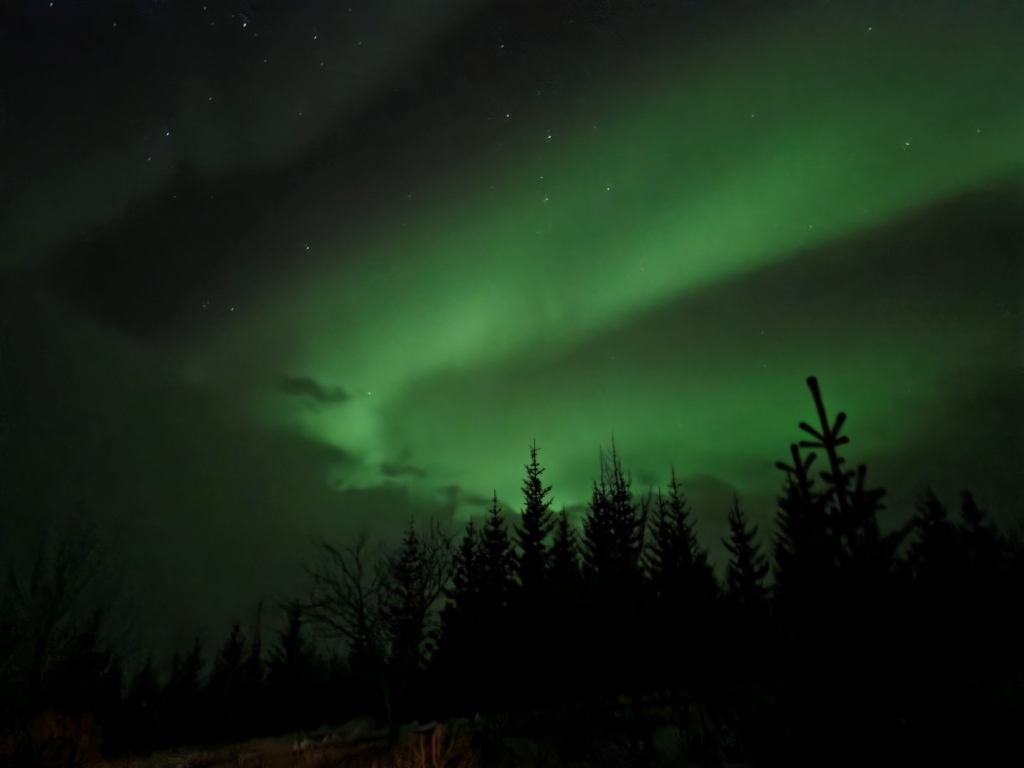
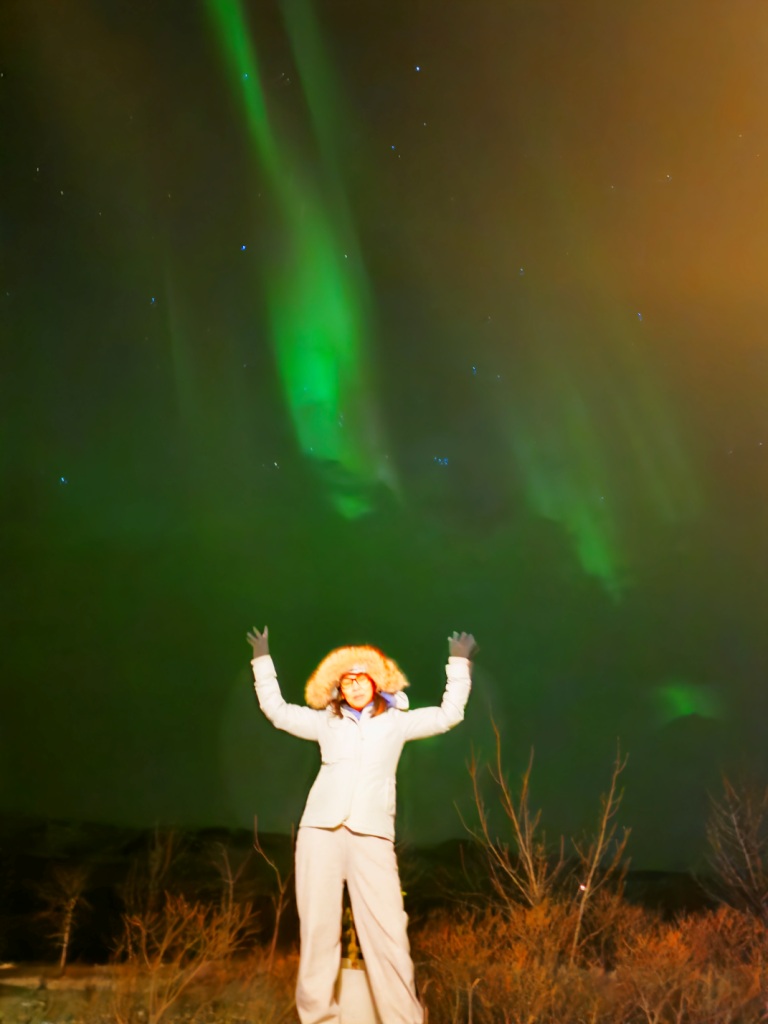
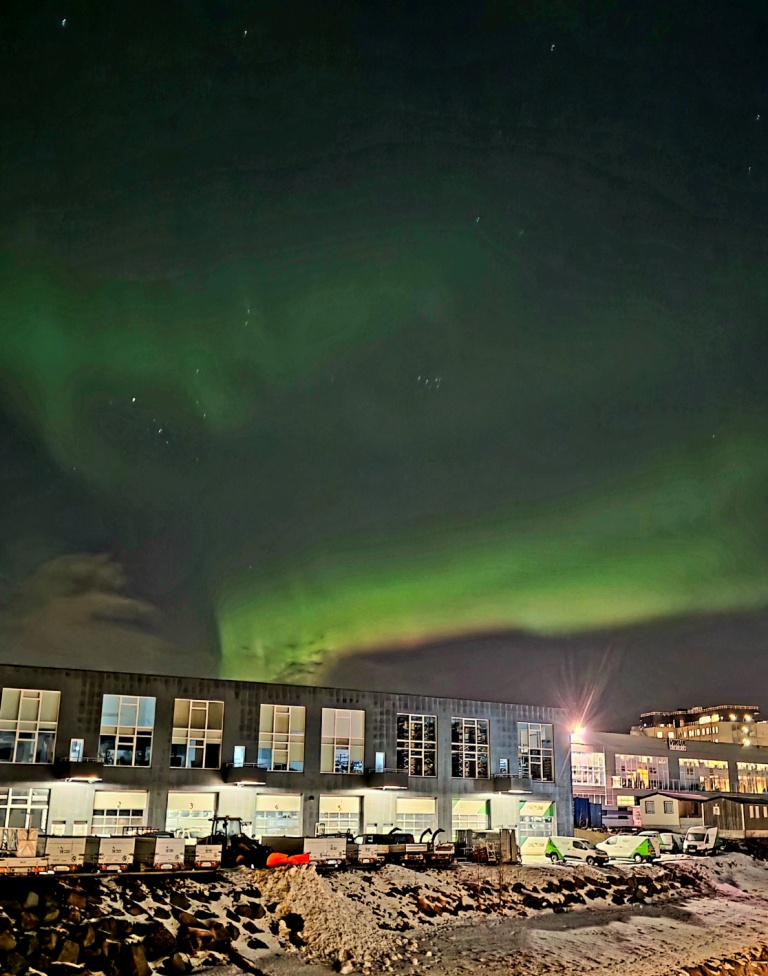
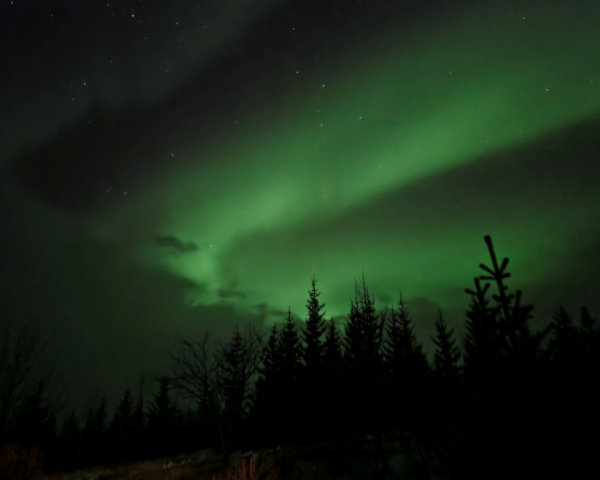
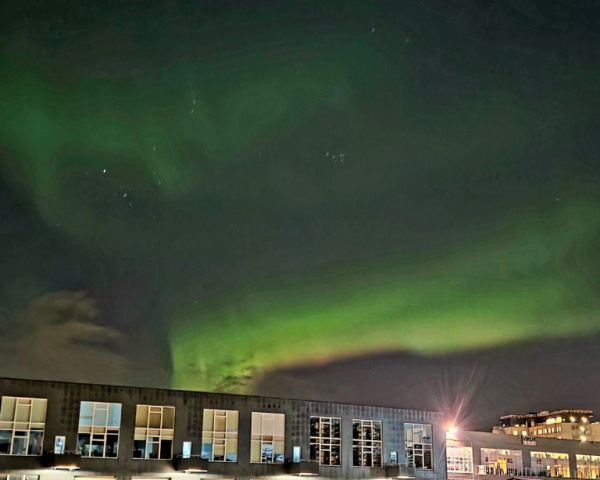
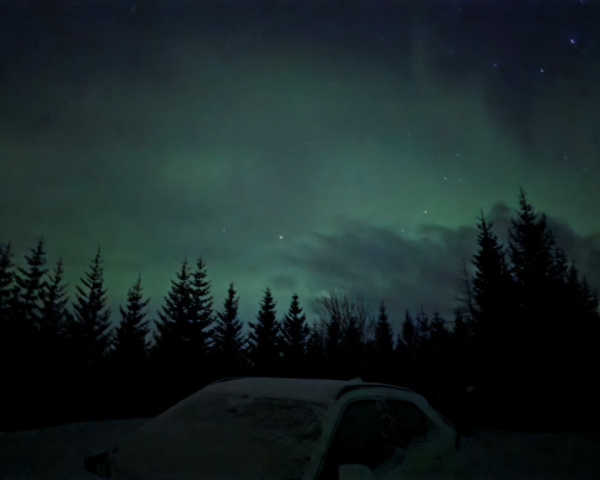
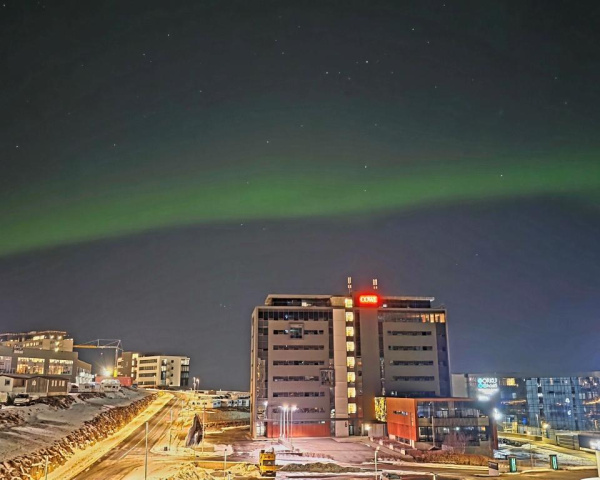
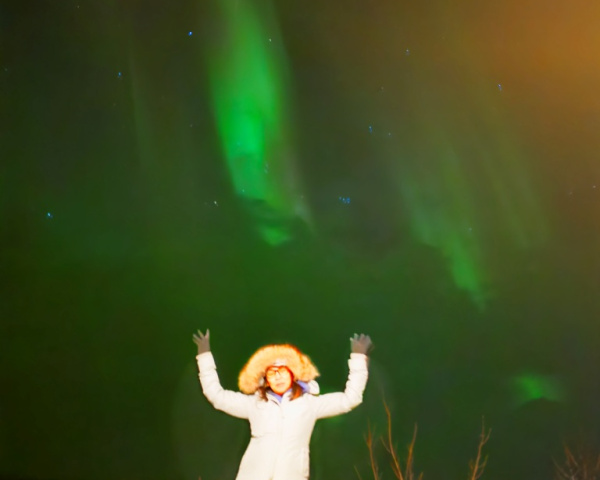
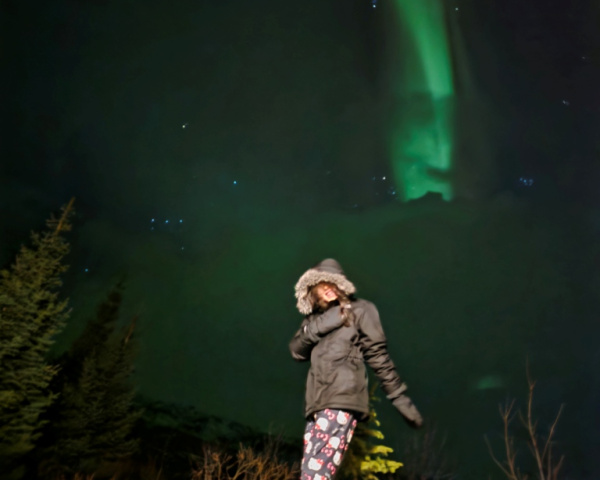
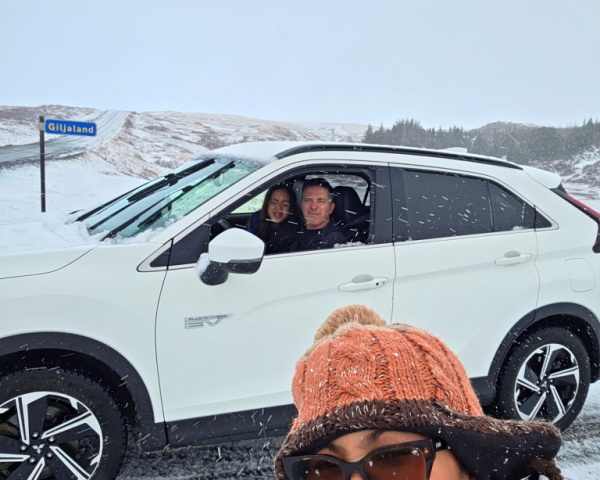
Before setting off, we indulged in a delicious lunch of fish and chips—a classic Icelandic treat. Our first destination was Giljaland, a cozy accommodation nestled in the serene surroundings of Kirkjubæjarklaustur. The highlight of our first night was witnessing the ethereal Northern Lights dance across the sky, casting a magical glow outside our cabin. It was the perfect start to our Icelandic adventure.
Shopping Adventure at Bonus Supermarket in Iceland
Traveling in Iceland can be an exhilarating experience, from exploring its breathtaking landscapes to enjoying its unique culture. However, when it comes to everyday necessities like food, planning ahead is crucial, especially if you’re staying far from urban centers.
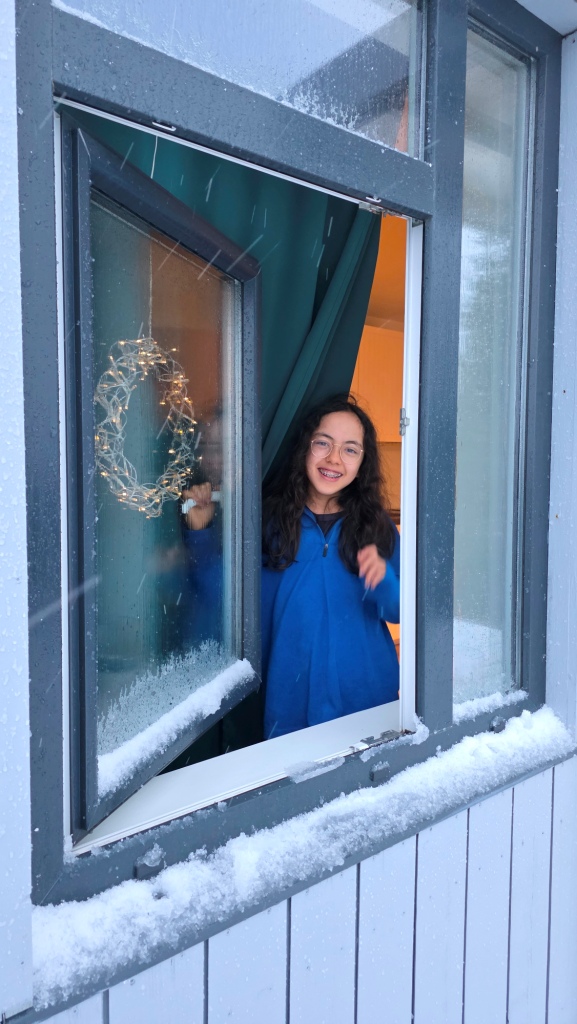
In fact, our accommodation at Giljaland was located over 30 kilometers from the nearest grocery store or restaurant. This meant we had to be strategic about our food supplies to ensure we wouldn’t run out of essentials. Luckily, we had a plan: stopping at Bonus, our favorite supermarket chain. A curiosity about Icelandic supermarkets is that instead of traditional aisle refrigeration units, they employ entire cold rooms to keep their frozen goods at optimal temperatures. This way they enhance energy efficiency, preserve product quality, and offer a unique shopping experience. While it may require some adjustment for new customers, the benefits of this system highlight Iceland’s commitment to sustainability and customer satisfaction.
Day 2: Exploring Jökulsárlón and Diamond Beach
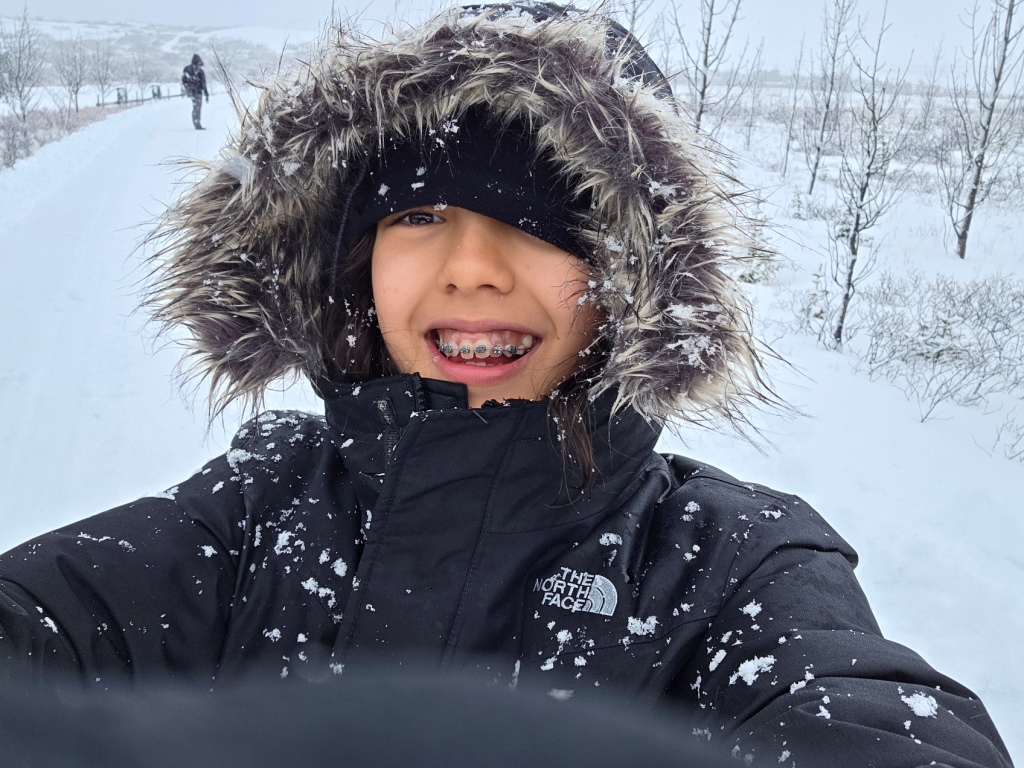
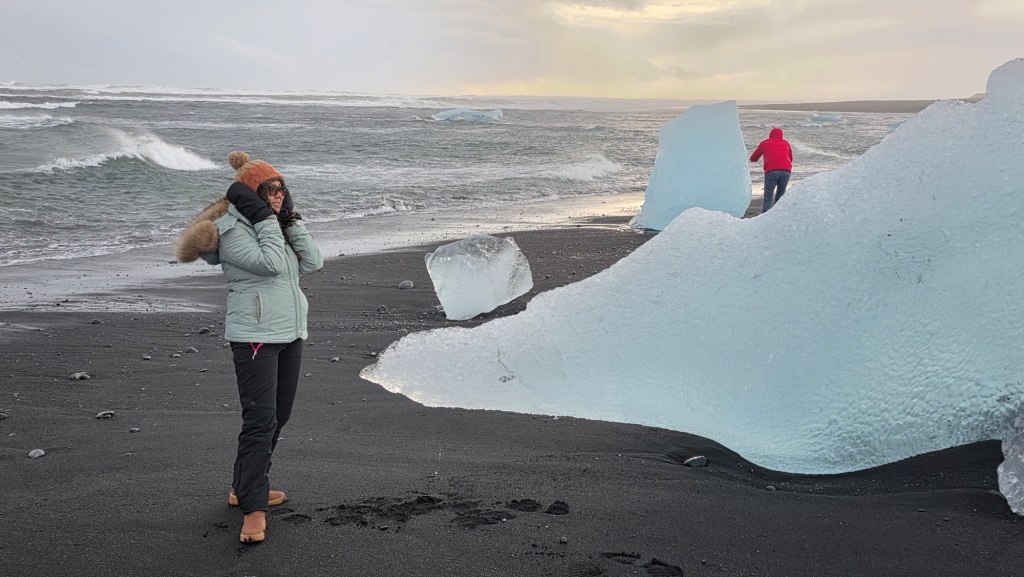
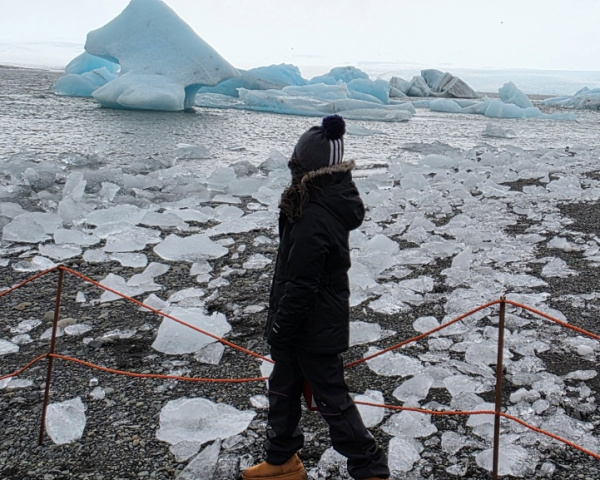
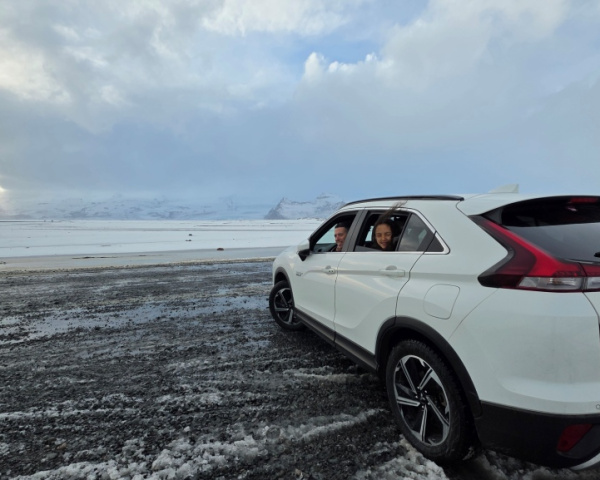
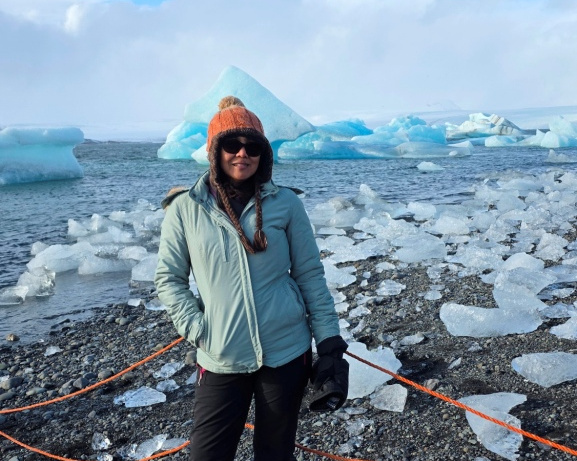
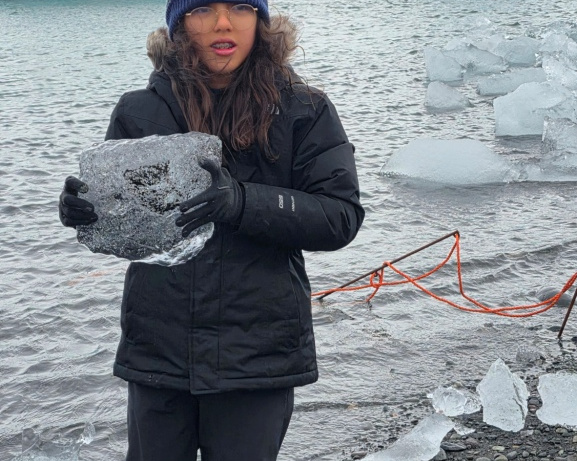
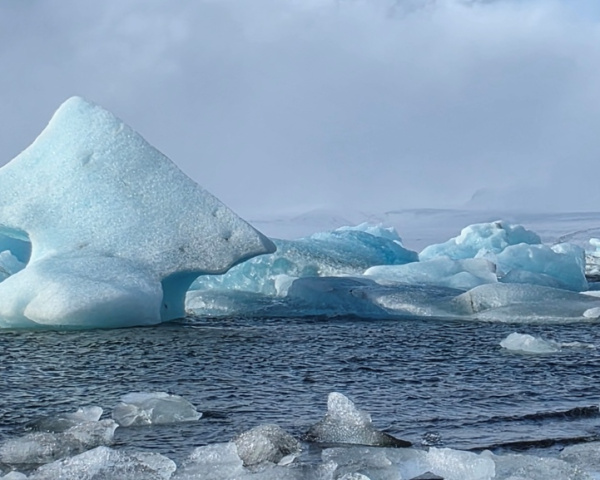
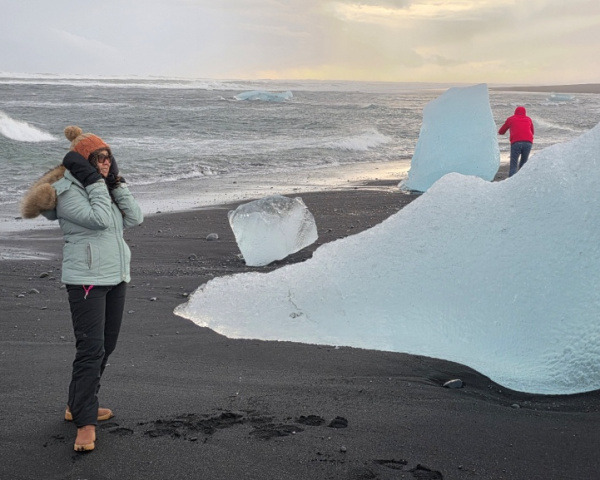
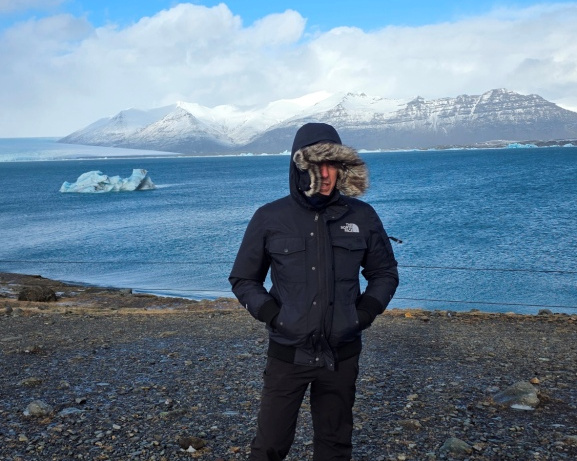
The second day greeted us with a blanket of heavy snowfall. Undeterred, we set off to explore the glacial river lagoon of Jökulsárlón. The lagoon was a sight to behold, with its icebergs floating serenely against a backdrop of towering glaciers. Nearby, Diamond Beach dazzled us with its sparkling ice fragments scattered across the black sand, creating a striking contrast and offering a photographer’s paradise.
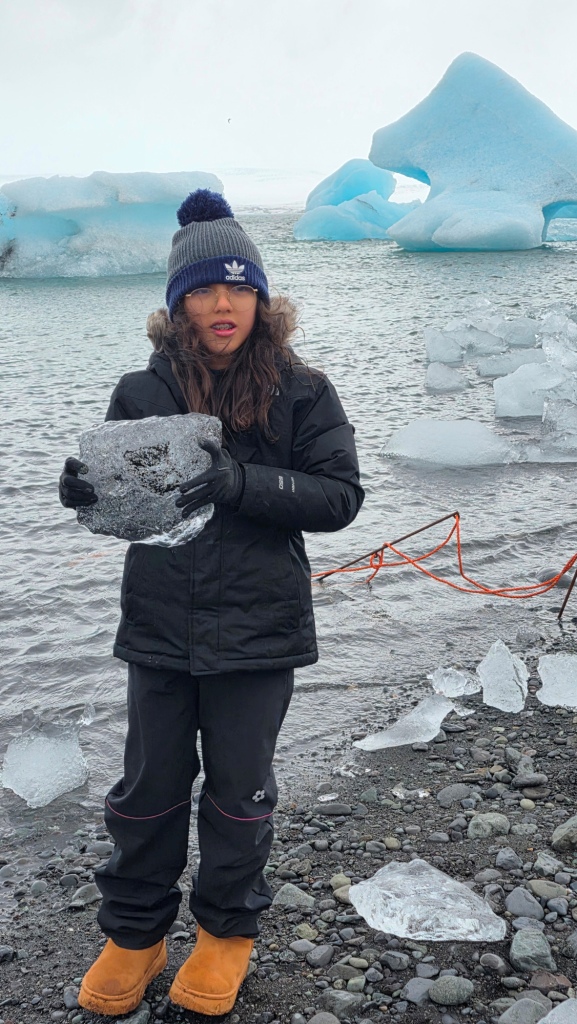
Jökulsárlón, often referred to as the “Crown Jewel of Iceland”, is a breathtaking glacial lagoon located in the southeastern part of the country. It is one of Iceland’s most popular natural attractions, drawing visitors from around the world to witness its stunning beauty and unique landscape.
While tourist attractions in Iceland are almost always free, parking can come with a fee. It’s important to understanding how Parka works to avoid any parking-related hassles.
Day 3: Snowy Adventures in Vik
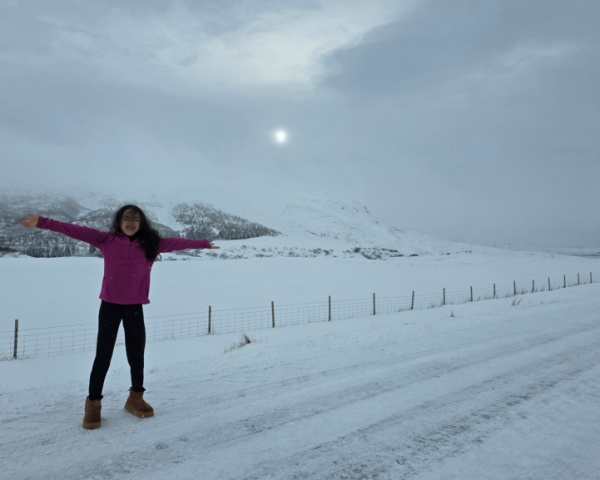
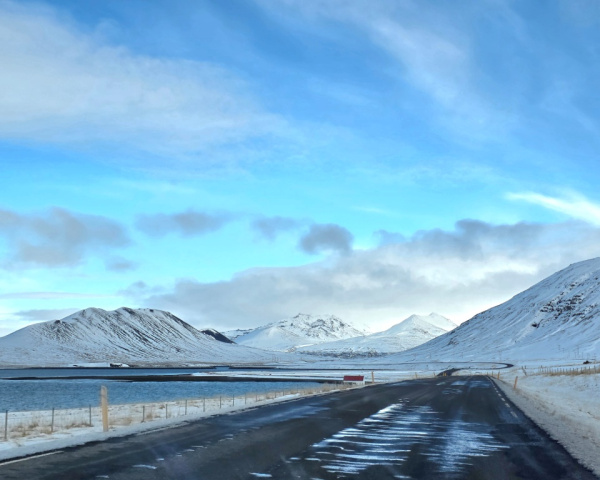
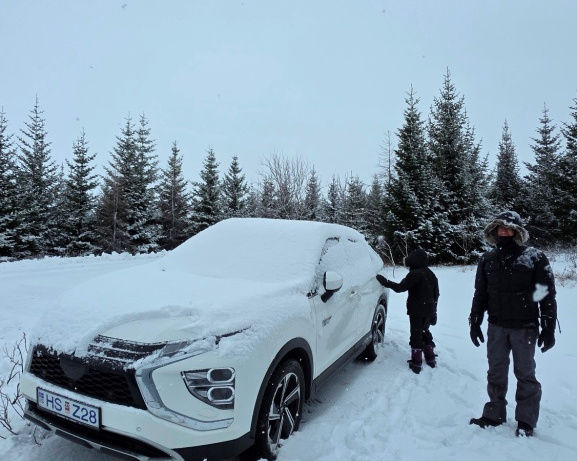
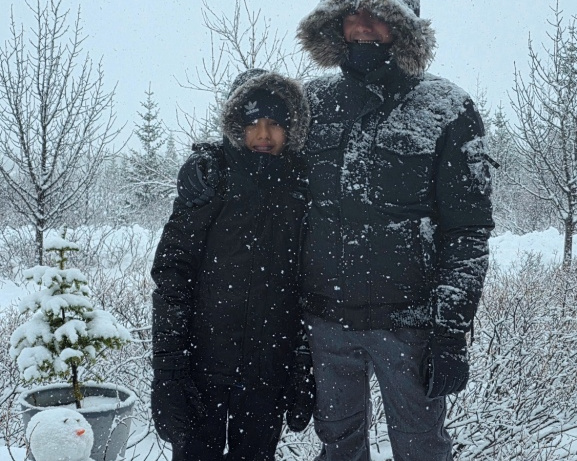
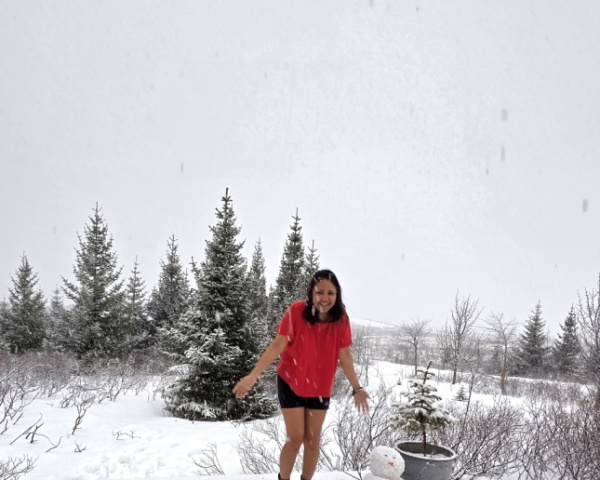
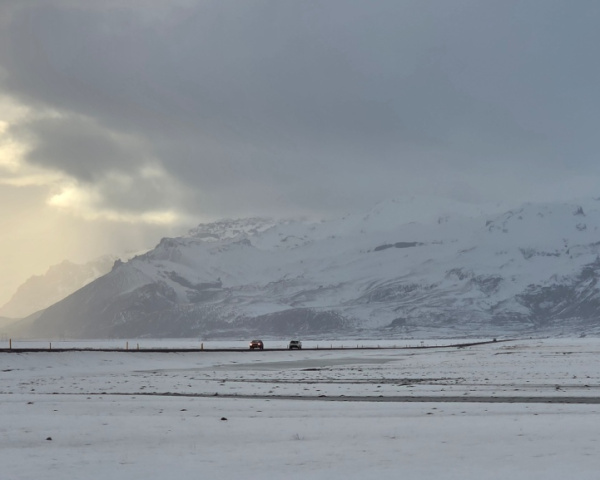
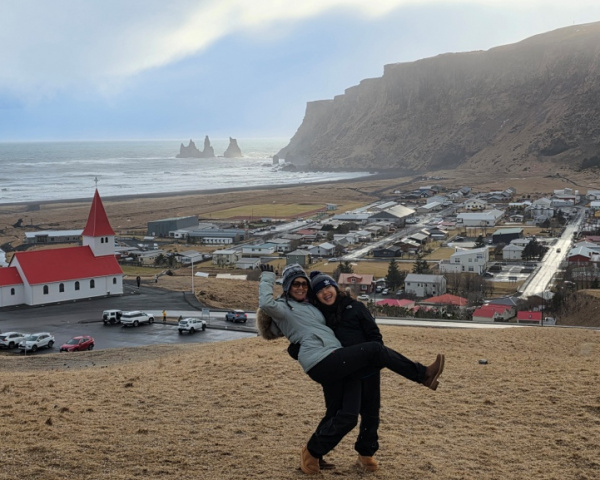
Our third day began with even heavier snowfall than the day before, painting the landscape in a pristine white. Despite the weather, we ventured to the charming town of Vik.
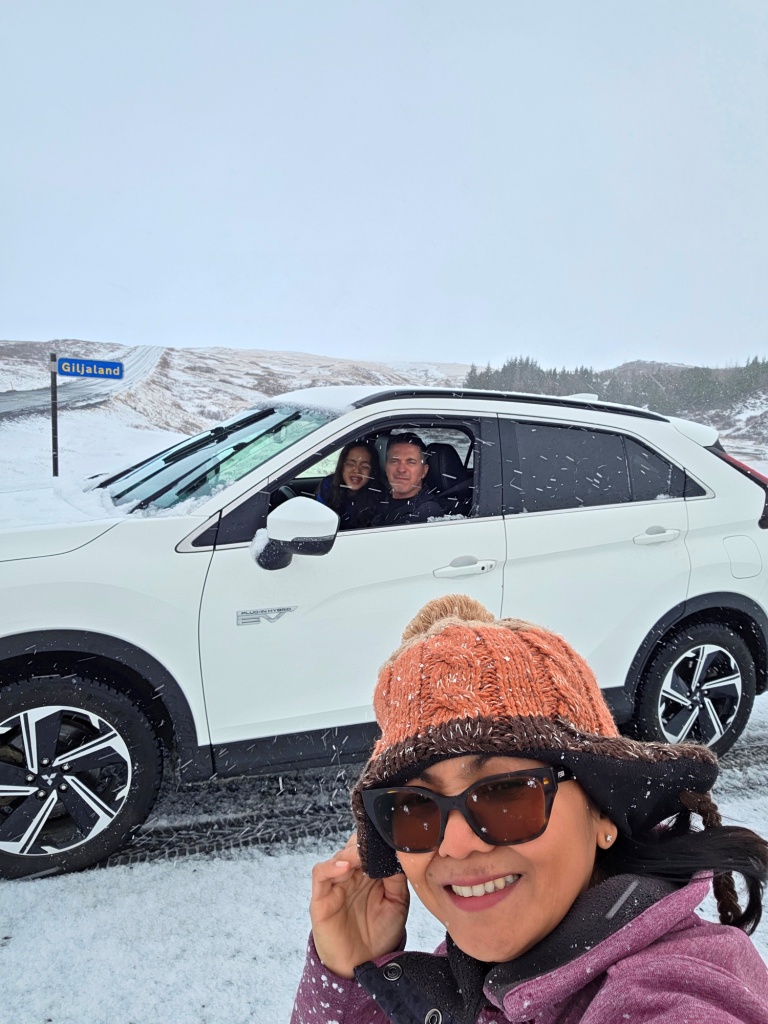
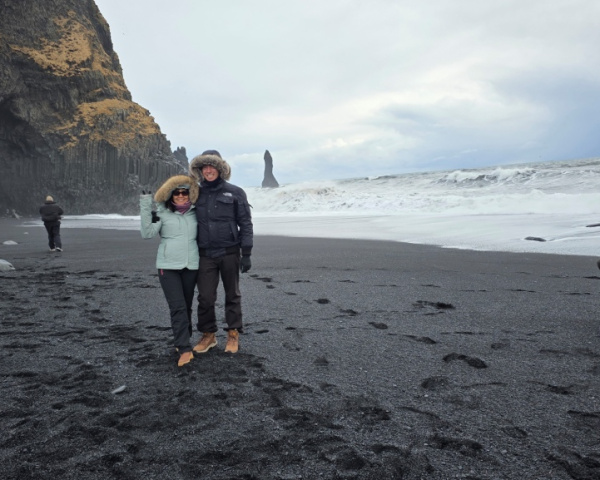
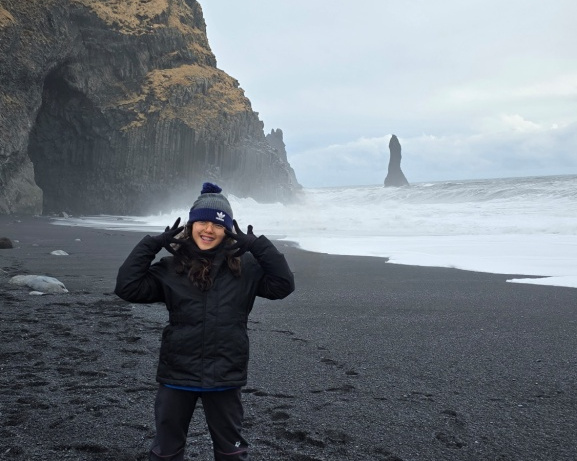
Vik or Vík í Mýrdal, is a quaint village located on the southern coast of Iceland. Known for its stunning landscapes, black sand beaches, and cultural heritage, Vik is a must-visit destination for travelers seeking adventure and natural beauty.
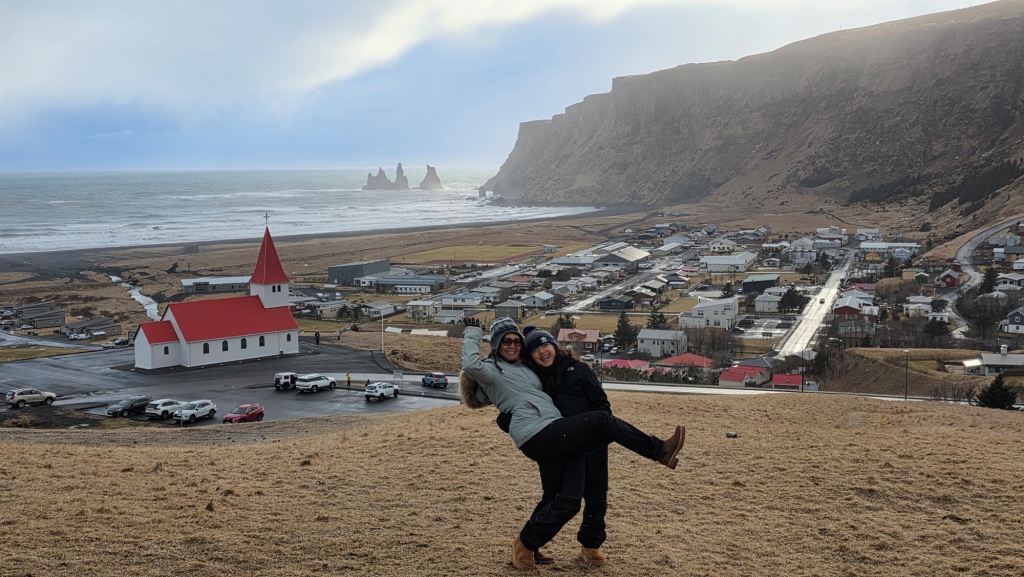
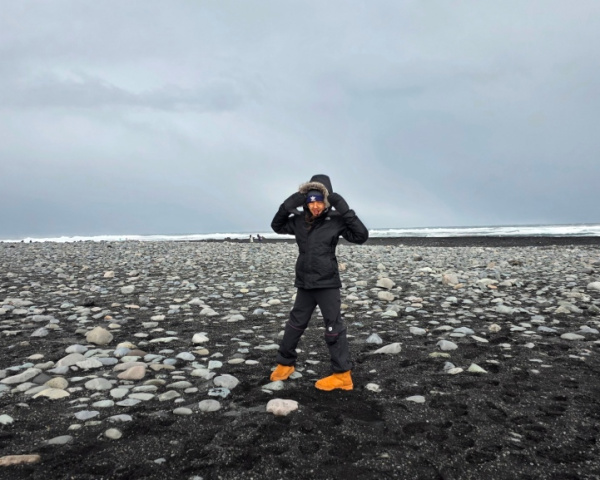
The town is known for Reynisfjara, a dramatic black sand beach featuring basalt columns and the dramatic Reynisdrangar Sea Stacks. Vik offered a unique blend of natural beauty and rugged charm. The snow added an extra layer of enchantment to our visit.
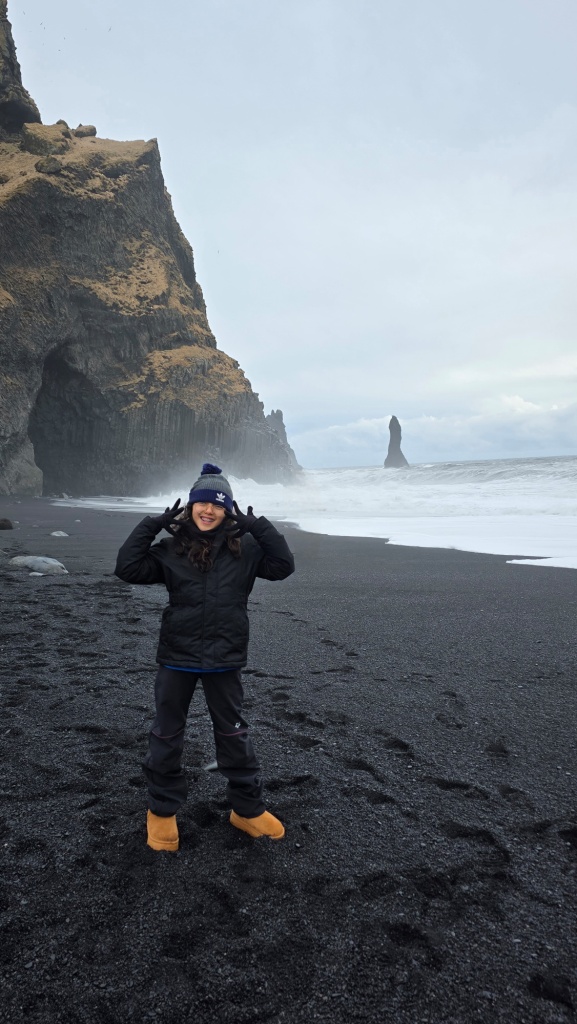
Day 4: Seljalandsfoss and a Blizzard Adventure
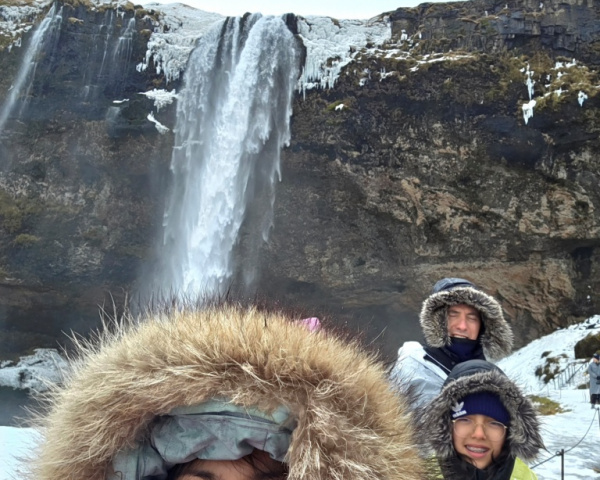
On our fourth day, we began our journey back to Reykjavik. Along the way, we stopped at the iconic Seljalandsfoss waterfall, where we marveled at the cascading water that shimmered in the winter light. Seljalandsfoss is one of Iceland’s most famous and picturesque waterfalls. Located along the southern coast of the island, it captivates visitors with its unique beauty and accessibility. The waterfall is part of the Seljalands River, which originates from the Eyjafjallajökull glacier, a name many might remember due to the volcanic eruption in 2010 that disrupted air travel across Europe.
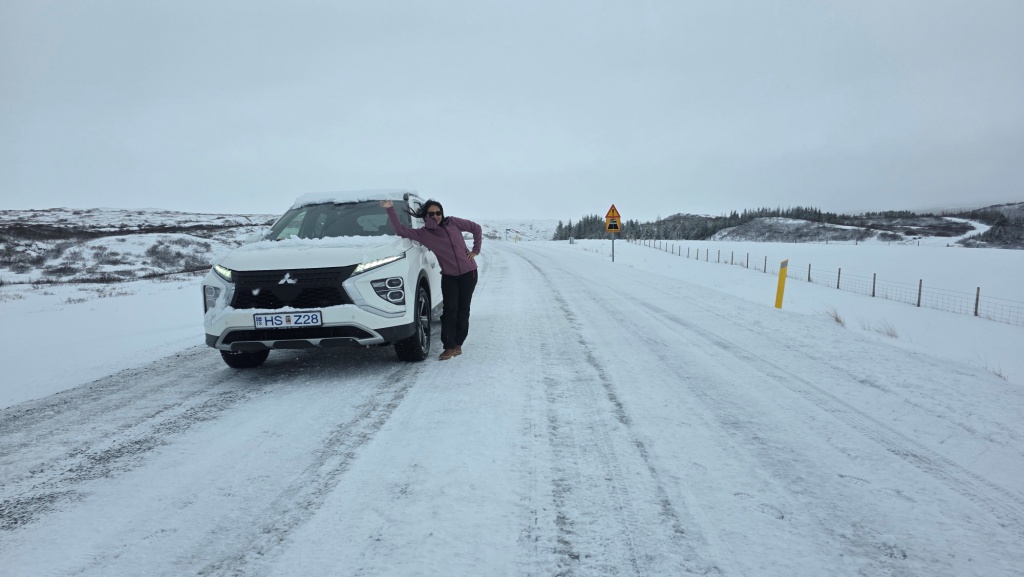
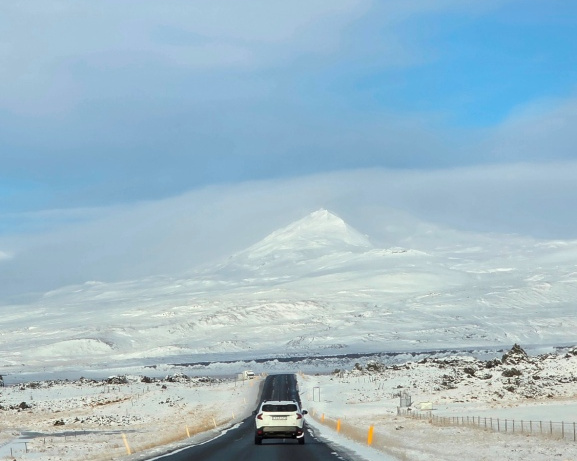
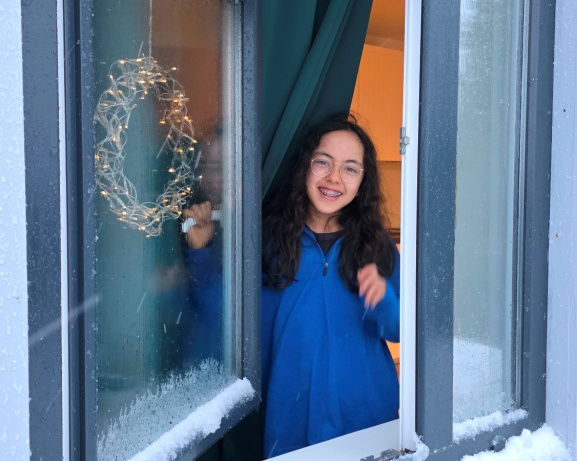
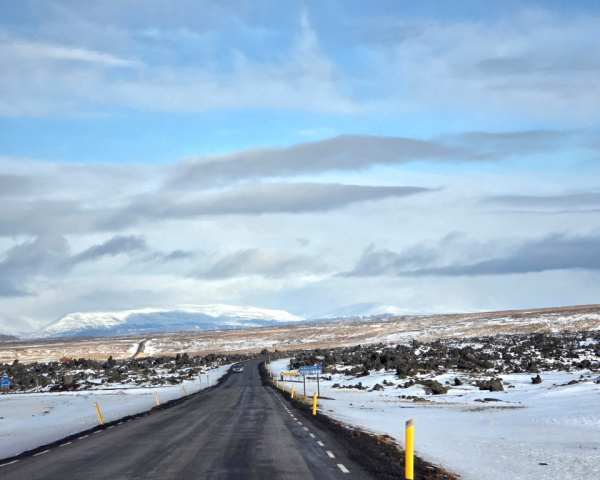
As we continued our drive, a sudden blizzard enveloped us from Selfoss to Reykjavik, turning our journey into an adventurous escapade. Finally, we arrived at Blue Mountain Apartments, our cozy haven for the night in Reykjavik.
Visit Reykjavik
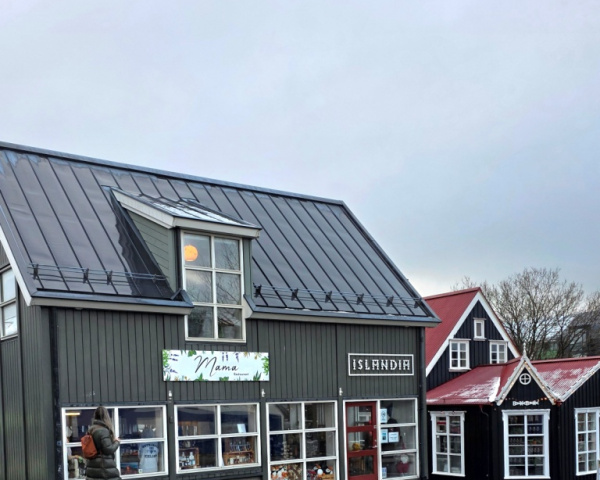
That same evening, we visited Reykjavik, the vibrant capital of Iceland known for its eclectic culture, stunning natural landscapes, and colorful architecture.
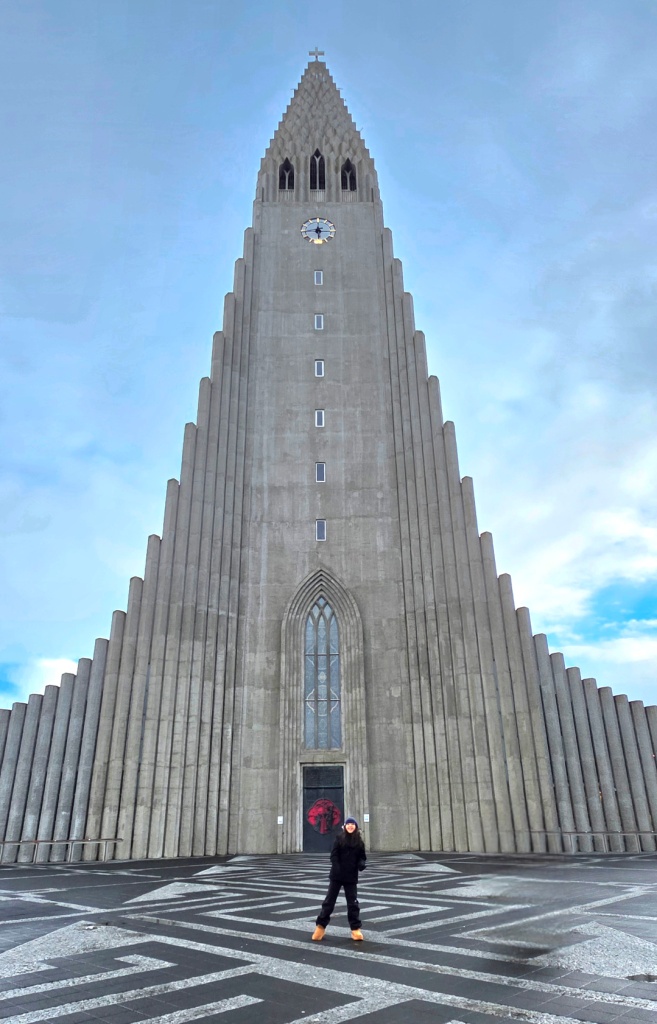
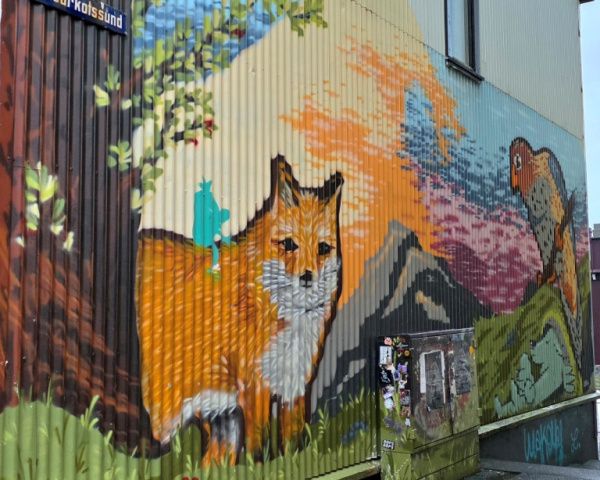
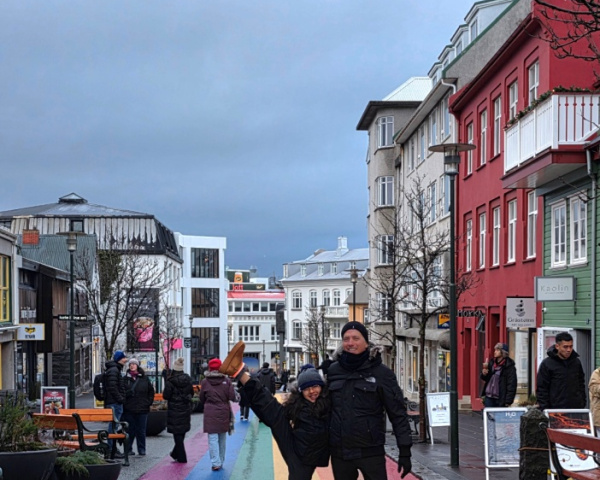
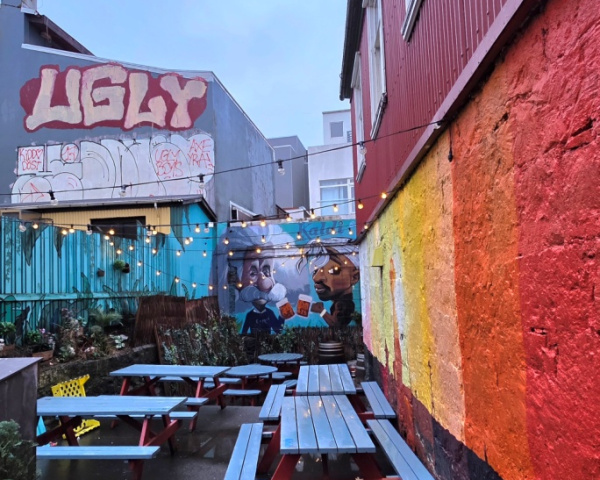
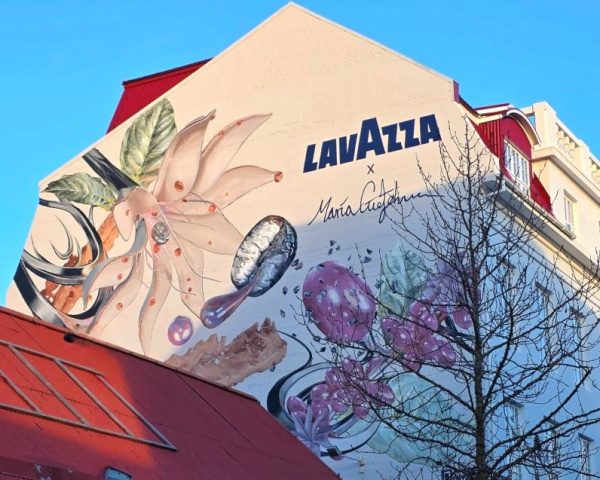
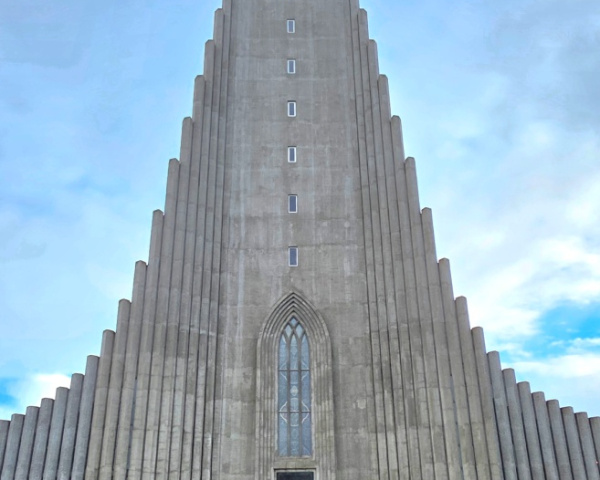
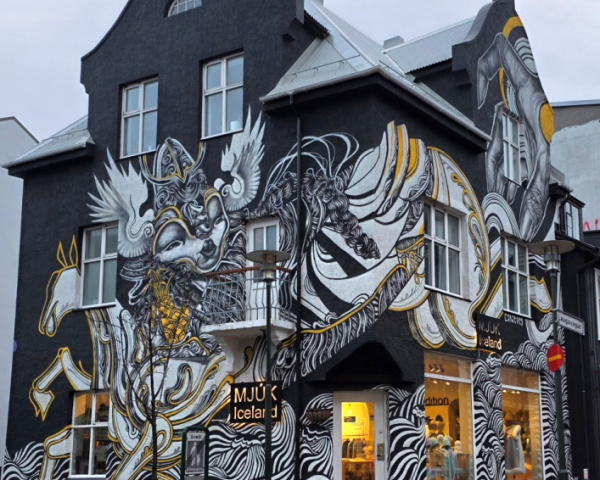
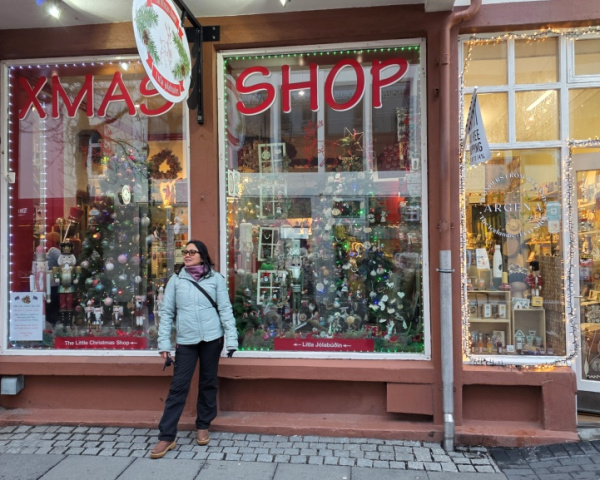
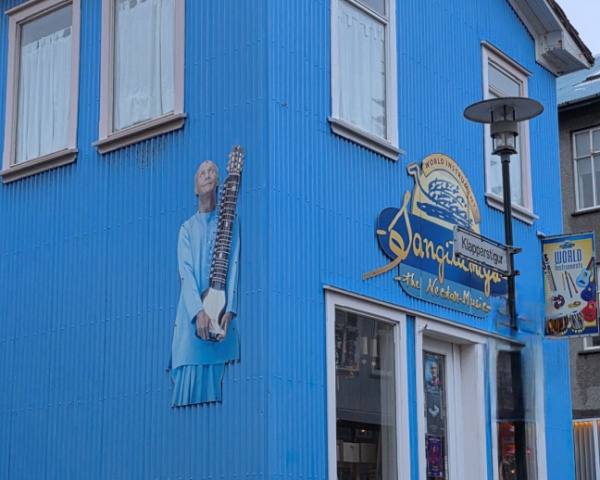
We parked close to Hallgrímskirkja, a stunning church whose unique design was inspired by the basalt lava flows of Iceland’s landscape. We then strolled down the bustling Laugavegur street, a lively hub filled with quirky shops, cozy cafes, and vibrant street art.
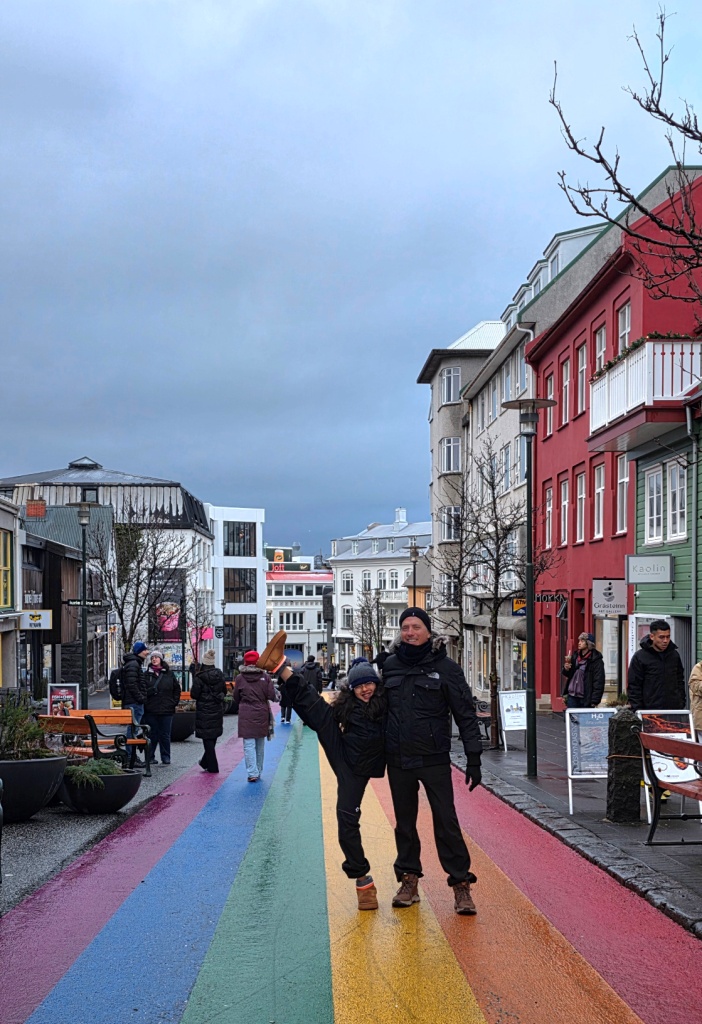
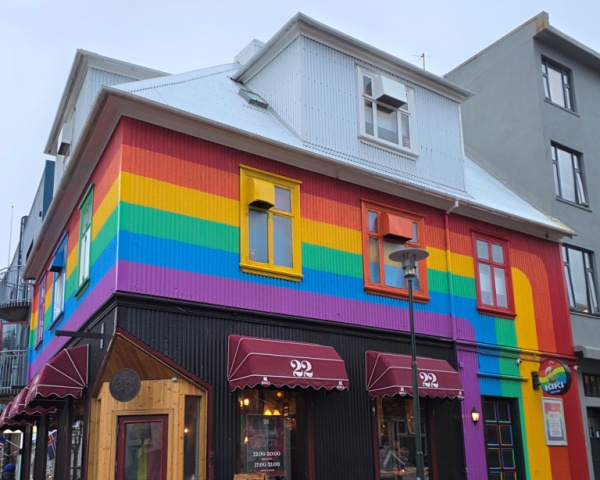
One of its most iconic spots is the Rainbow Street, officially known as Skólavörðustígur. This lively street is a must-visit for anyone exploring the city. The Rainbow Street is famously painted in bright rainbow colors, symbolizing inclusivity and celebrating diversity. Walking along this vibrant path offers a perfect opportunity for photos, capturing the vivid colors against the backdrop of Reykjavik’s unique skyline. The street is particularly popular during Pride Week and other festivals, enhancing its festive atmosphere.
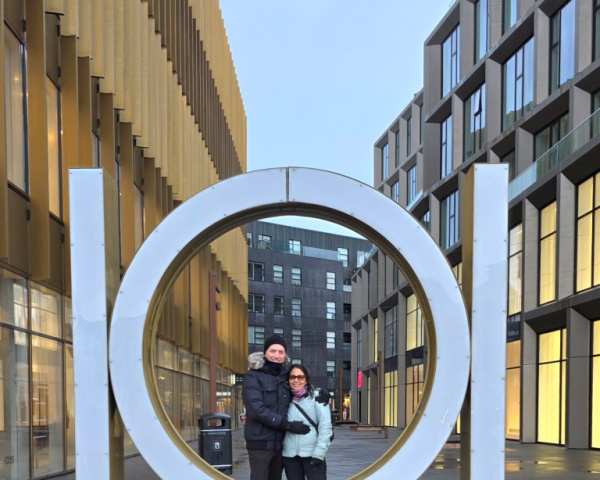
We finally stopped at Harpa Concert Hall, a magnificent structure with a glass facade that reflects the changing light of the city.
Day 5: The Golden Circle
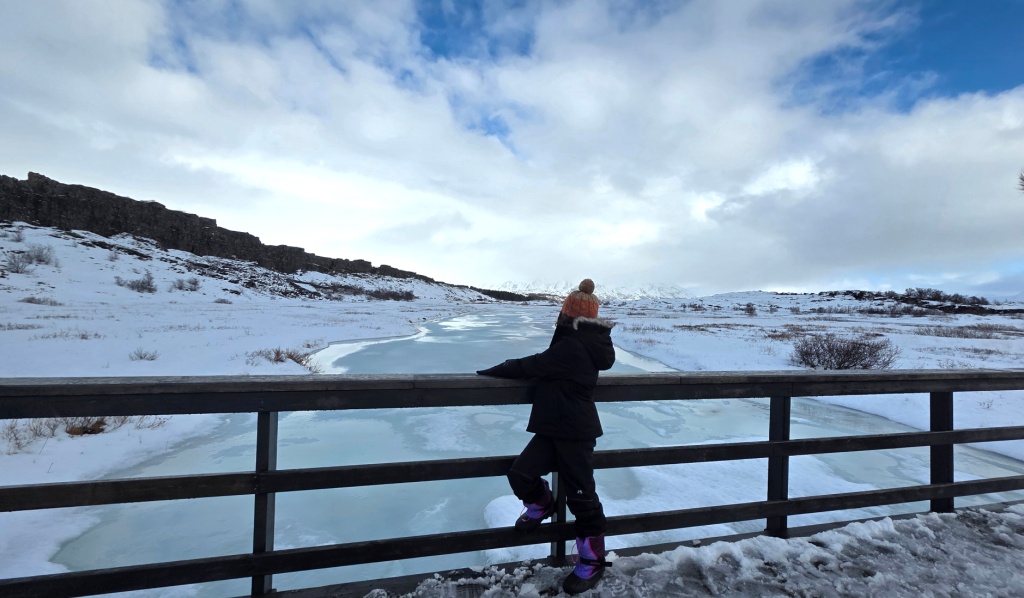
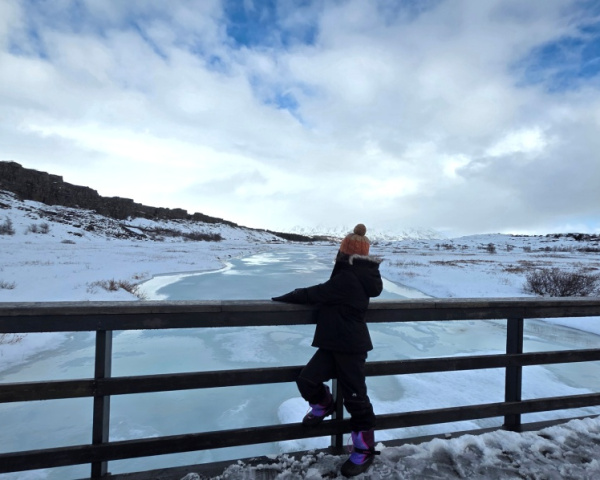
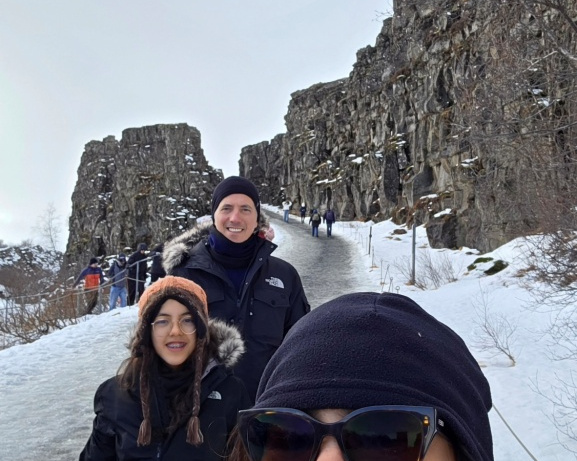
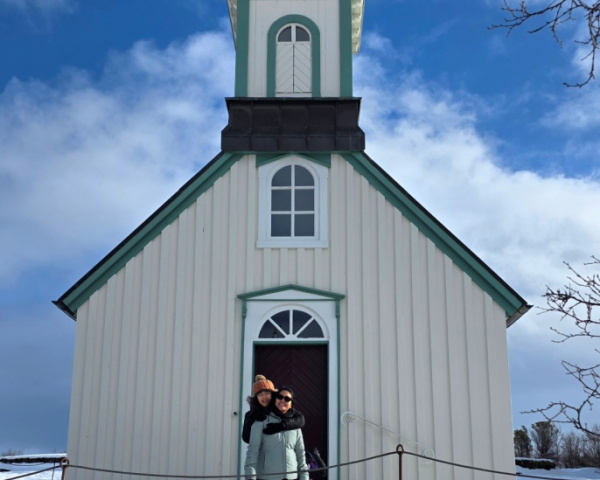
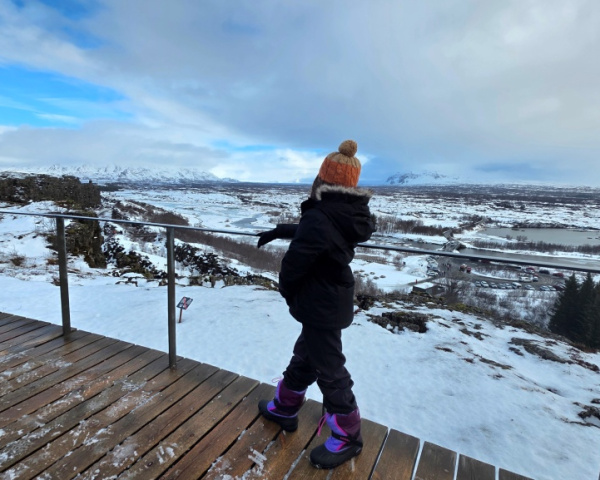
The following day, we embarked on a drive around the renowned Golden Circle. Our first stop was Þingvellir National Park, a UNESCO World Heritage site where the tectonic plates of North America and Eurasia meet. This creates a dramatic landscape of rifts and fissures that provide a unique opportunity to witness the effects of tectonic activity. The most famous fissure in the park is the Almannagjá, a stunning canyon that vividly displays the power of these geological forces.
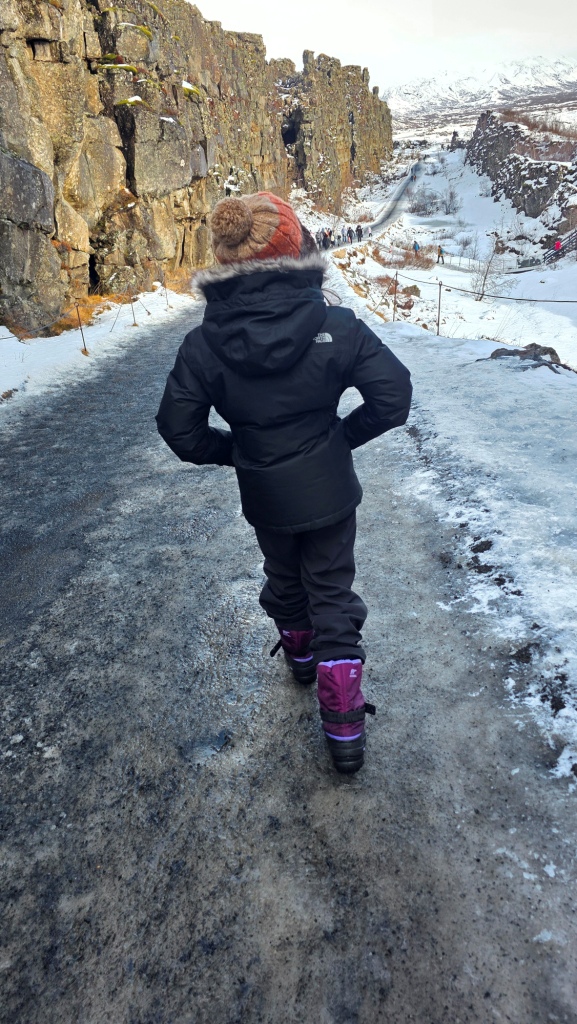
Þingvellir is not only a geological wonder but also a site of immense historical significance. It was here that the Alþingi, the national parliament of Iceland, was established in 930 AD. This makes it one of the oldest parliaments in the world. The Alþingi gathered at Þingvellir for centuries, making crucial decisions that shaped the nation’s history.
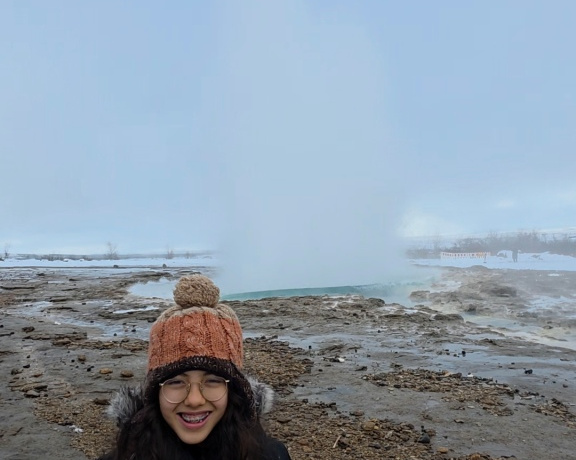
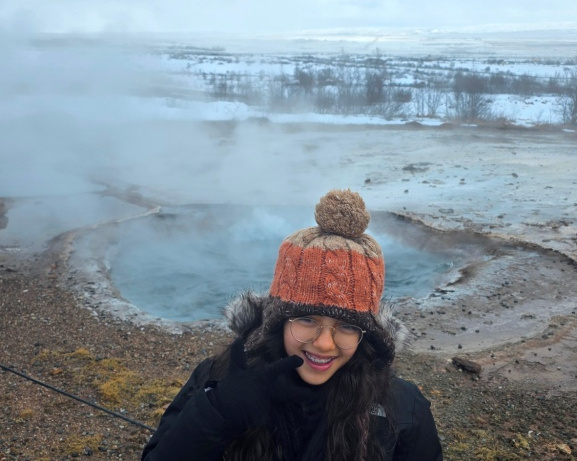
Next, we visited the Geysir Geothermal Area, witnessing the dramatic eruptions of Strokkur geyser. In fact, Strokkur is currently the most active geyser. It every 5 to 10 minutes, sending a column of water up to 20-40 meters into the air.
The Great Geysir, from which the English word “geyser” is derived, is one of the oldest documented geysers in the world. Historical records date eruptions back to the 13th century. Although its activity has waned over the years, it remains an iconic feature of the area.
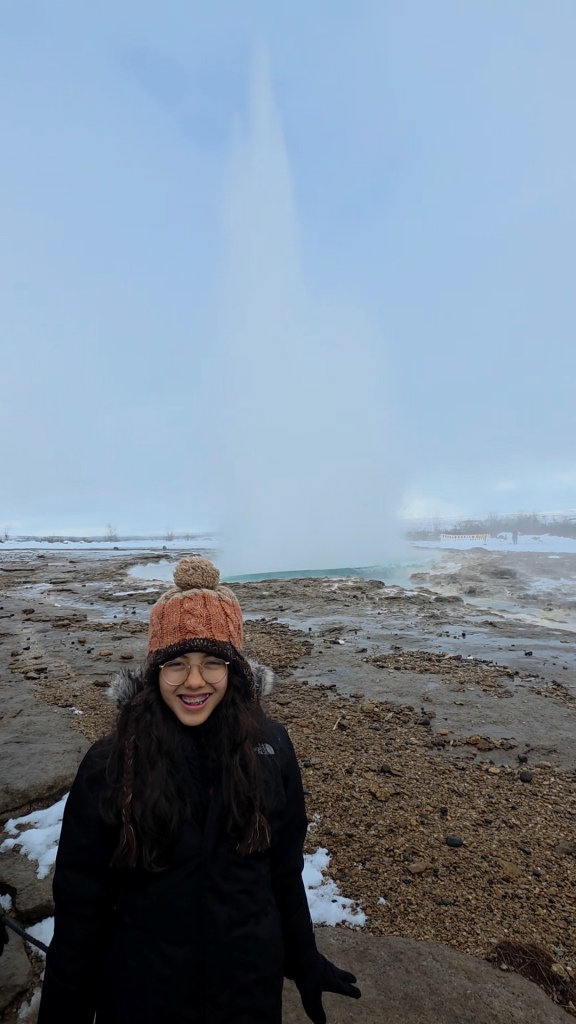
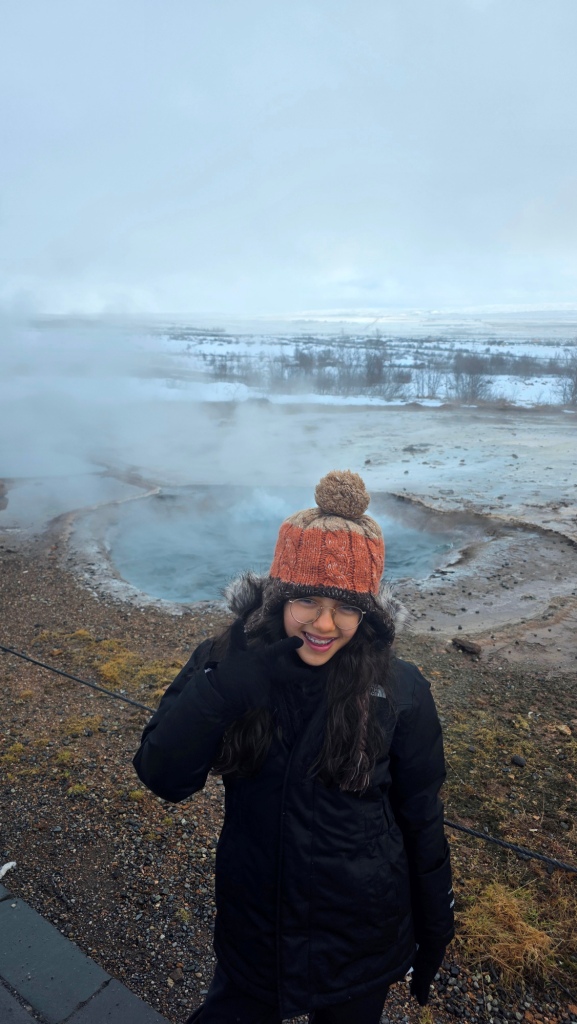
Geysers and hot springs occur due to the presence of volcanic activity beneath the Earth’s surface. In the Geysir Geothermal Area, water seeps down through the ground until it reaches hot rocks heated by the Earth’s magma. This causes the water to boil and eventually shoot up through fissures in the earth, creating the spectacular eruptions.
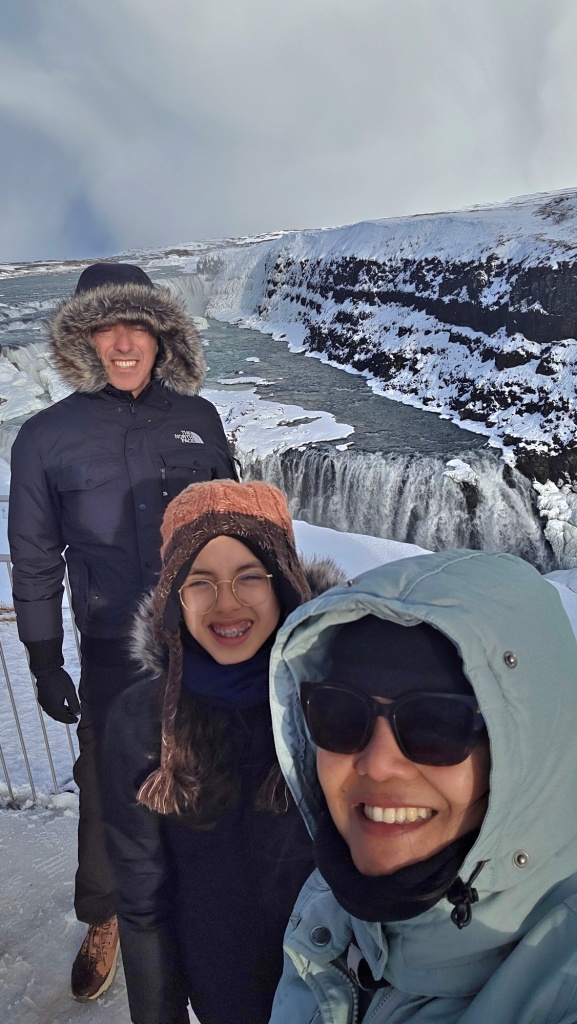
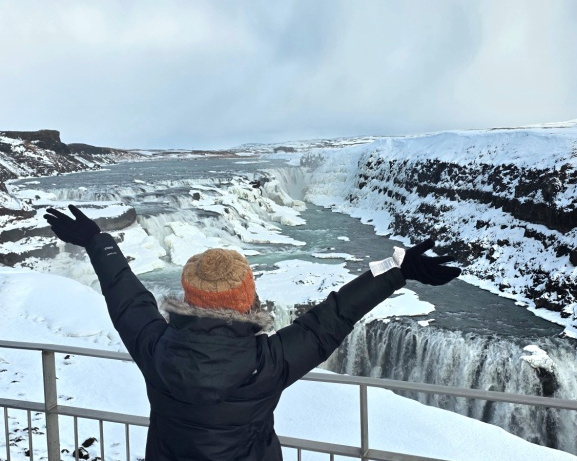
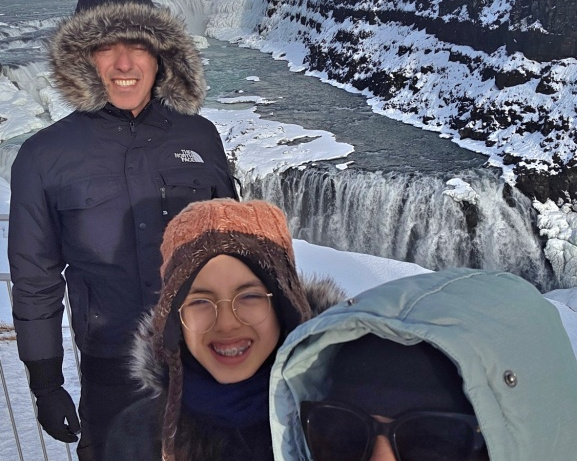
We then stopped at the majestic Gullfoss Waterfall, where the thundering cascade of water left us in awe.
The name “Gullfoss” translates to “Golden Falls”. There are several stories regarding how it earned this name. One popular legend suggests that a farmer named Tómas Tómasson threw his gold into the waterfall to prevent anyone else from getting it, hence the name “Golden Falls”.
Before goijng back to Reykjavik, we made a brief stop at the Secret Lagoon. Nestled amidst Iceland’s stunning landscapes, this natural spa offered a serene escape from the hustle and bustle of travel. Though our time there was short, the experience left an indelible impression. We couldn’t help but wish for more time to immerse ourselves in its soothing embrace.
Day 6: Kirkjufell and Grundarfjörður
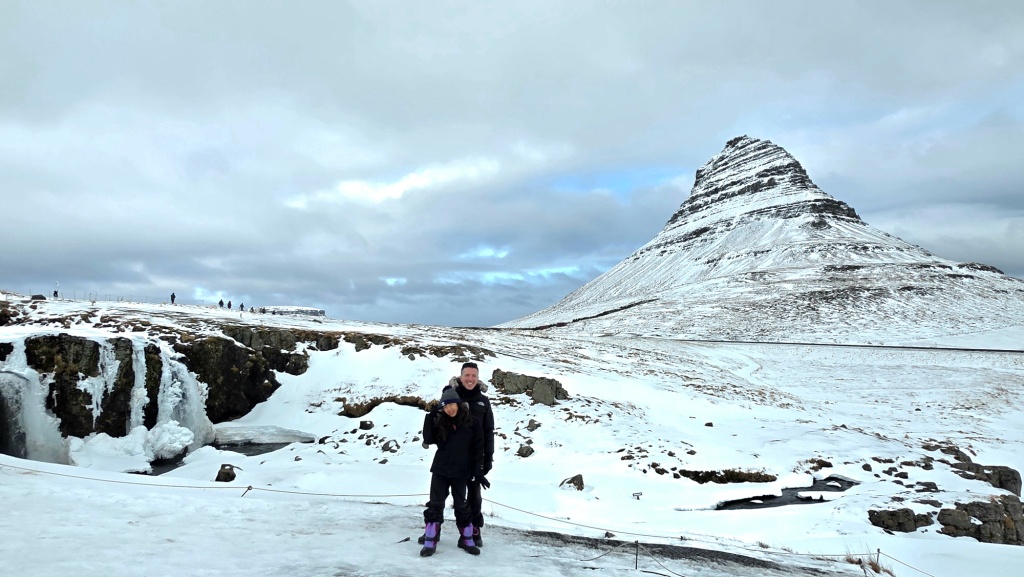
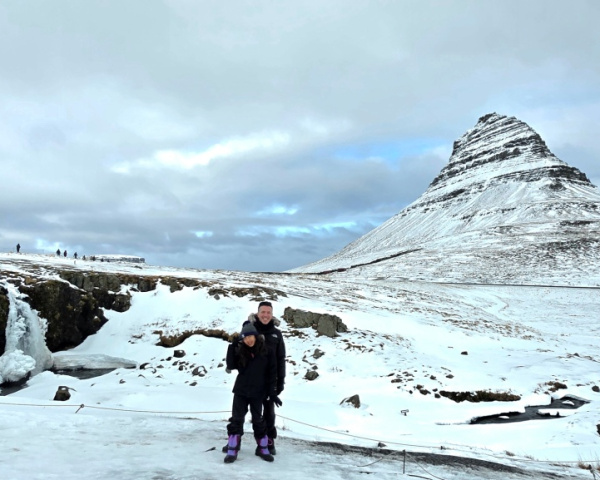
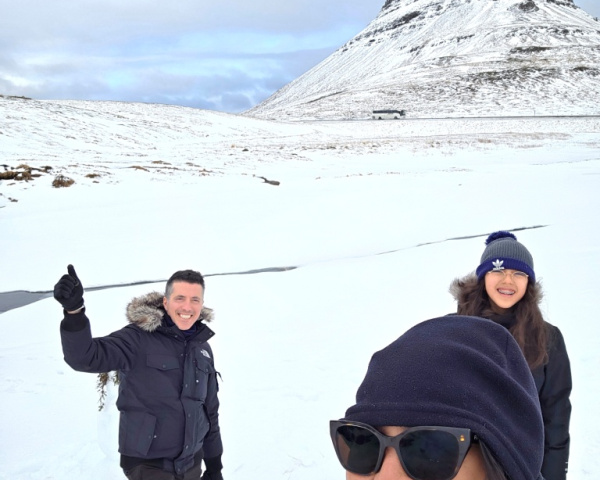
Our penultimate day took us to the iconic Kirkjufell mountain and the nearby town of Grundarfjörður.
Kirkjufell, often referred to as the “Church Mountain”, is one of Iceland’s most iconic landmarks. Located on the north coast of the Snæfellsnes Peninsula in western Iceland, Kirkjufell stands at 463 meters high. Its distinctive, symmetrical shape and striking presence make it a popular subject for photographers and nature enthusiasts from around the world.
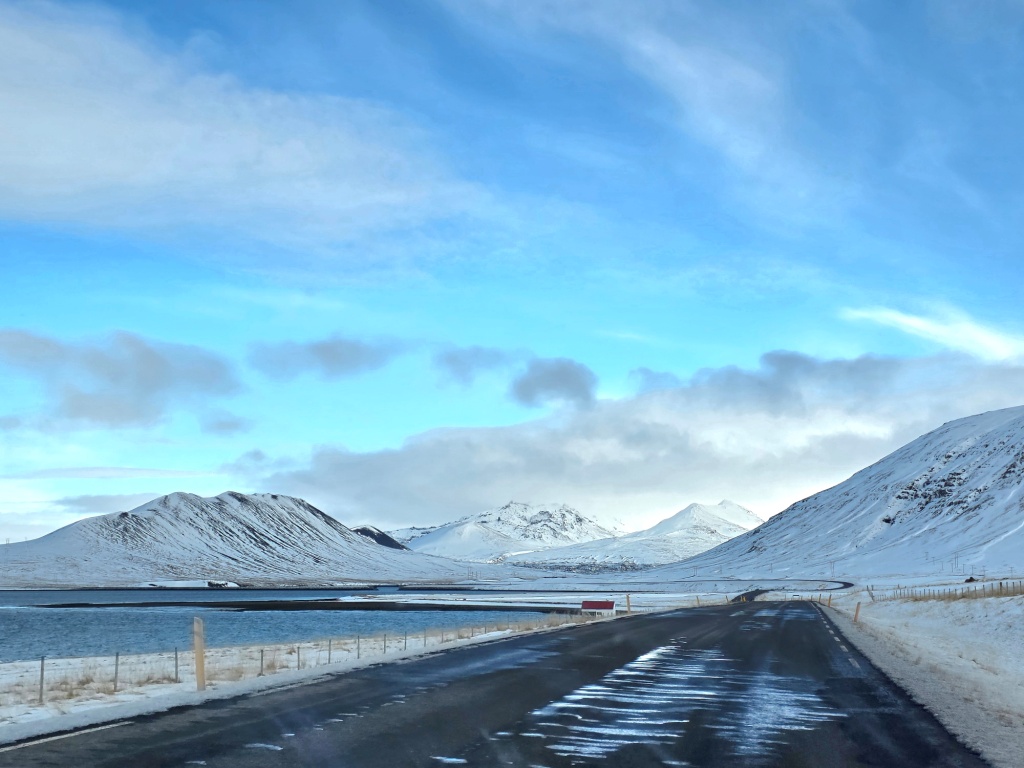
Kirkjufell is renowned for its unique shape, resembling a church steeple or a wizard’s hat. The mountain is composed of layers of sedimentary rock and volcanic material, a testament to Iceland’s tumultuous geological history. In winter, the mountain is often capped with snow, adding to its ethereal beauty.
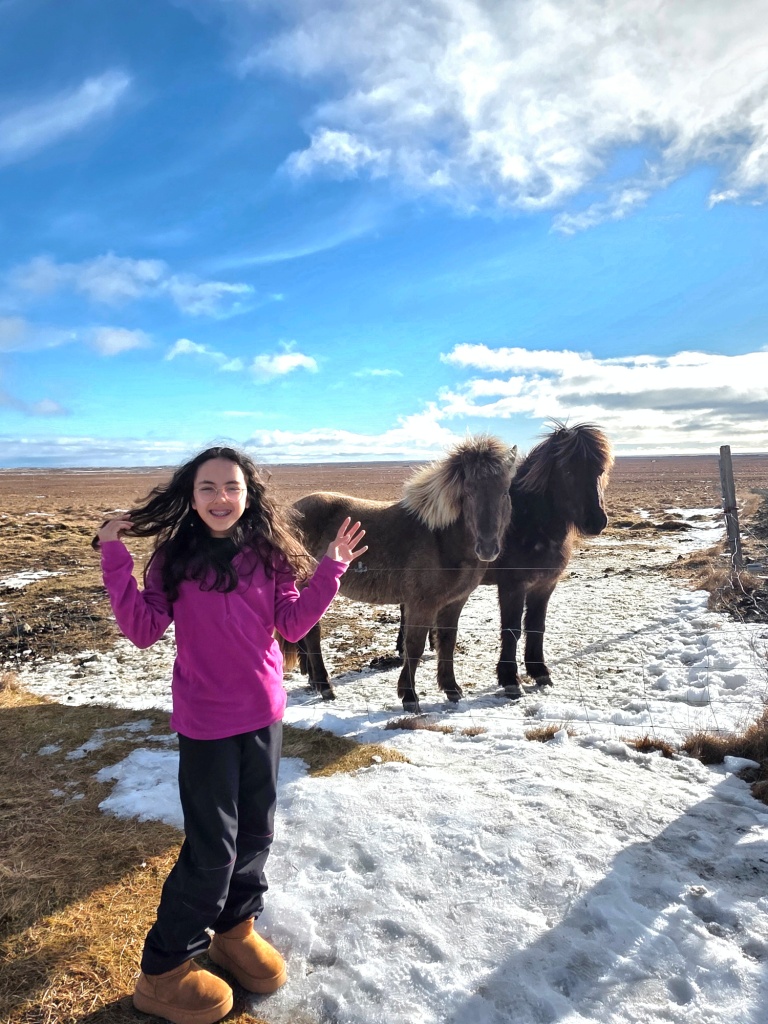
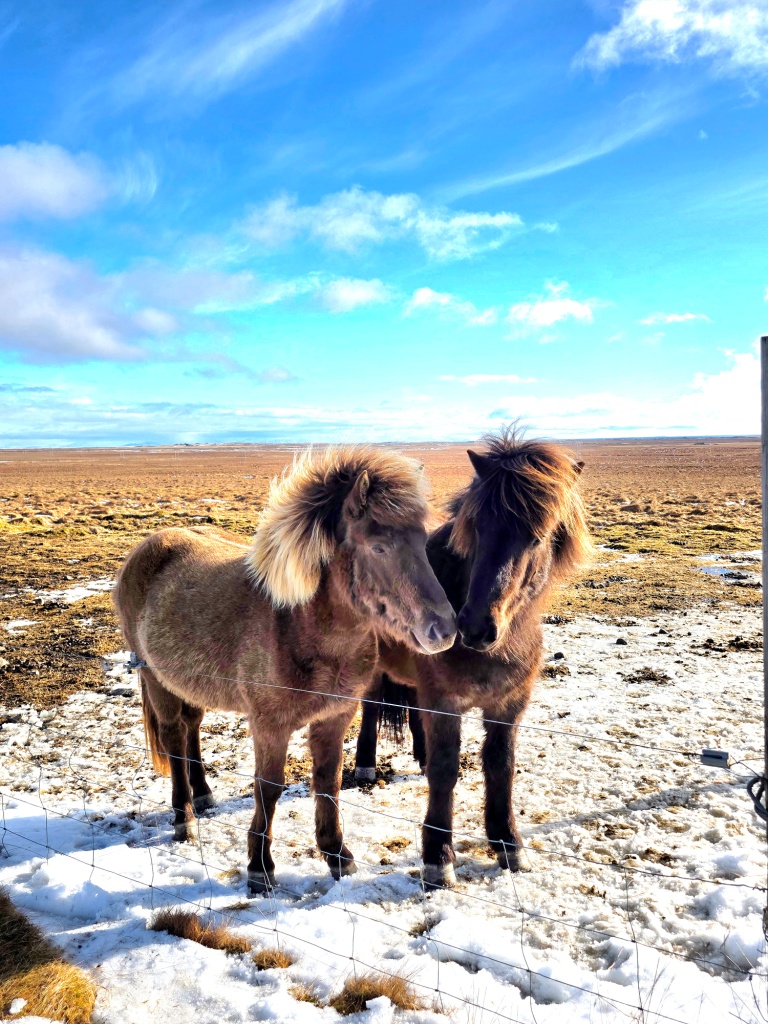
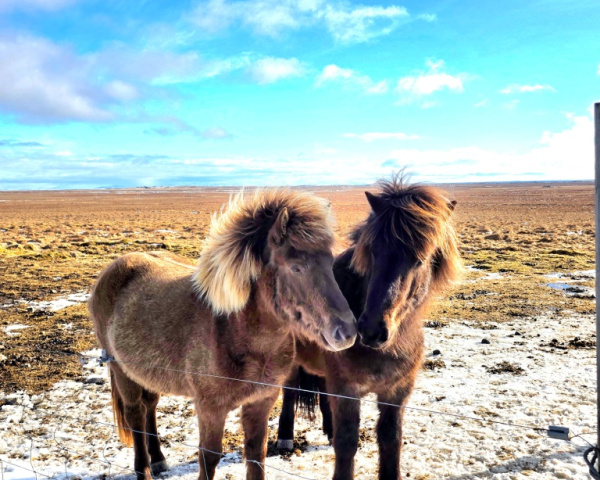
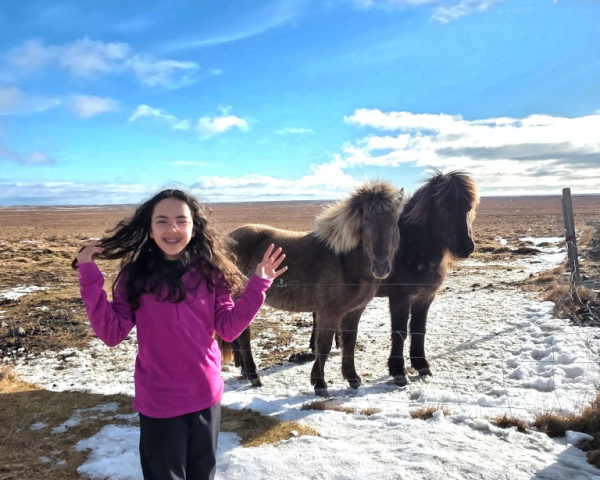
On the way back from our excursion, we stopped along the way to meet some Icelandic horses. They are not just ordinary horses; they possess a distinct charm and beauty that sets them apart. Known for their sturdy build and friendly demeanor, these horses are a symbol of Icelandic culture and tradition. With their thick coats and flowing manes, they are perfectly adapted to the harsh Icelandic climate.
Farewell to Iceland
Before we knew it, our time in Iceland had come to an end. Our trip to Iceland was everything we had hoped for and more. It was a fulfilling journey that not only brought my mom’s dream to life but also allowed us to create cherished memories together. From the stunning landscapes to the rich culture, Iceland truly is a land of enchantment.

Leave a reply