



Peru is a land steeped in ancient history, breathtaking landscapes, and vibrant culture. From the enigmatic ruins of Machu Picchu to the bustling streets of Lima, there are countless reasons to add Peru to your travel bucket list.
Peru is known as the “Land of the Incas”. It is a country of incredible contrasts, combining deserts, the mighty Andes, and the Amazon rainforest, famous for breathtaking archaeological sites such as Machu Picchu, Lake Titicaca, and a rich history and indigenous culture, such as the Quechua people.
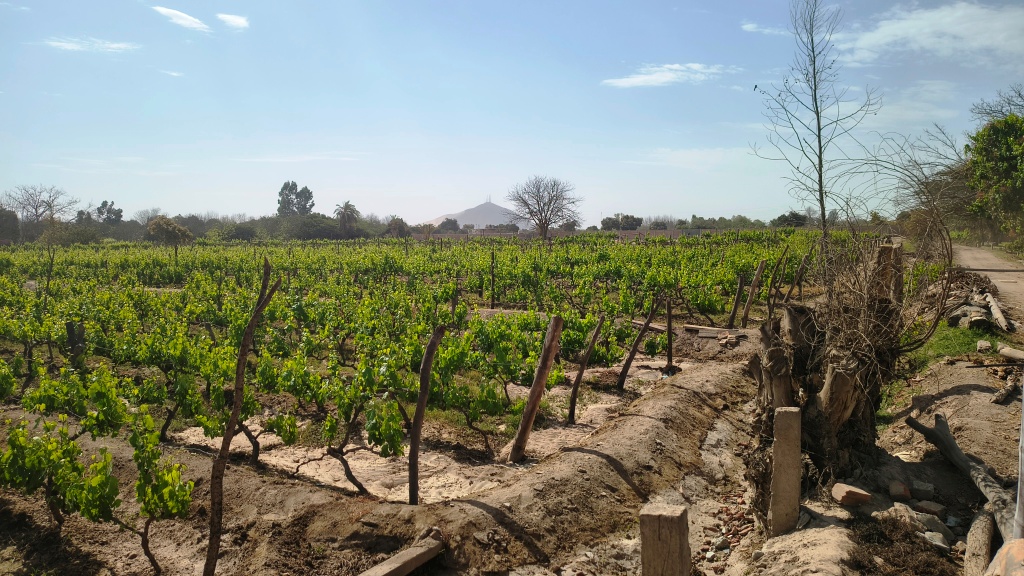
Ancient Lands and Vibrant Cultures
Day 1: A Journey Across Peru
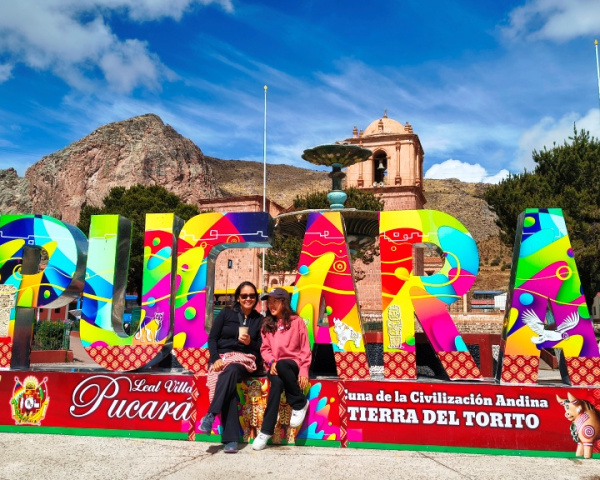
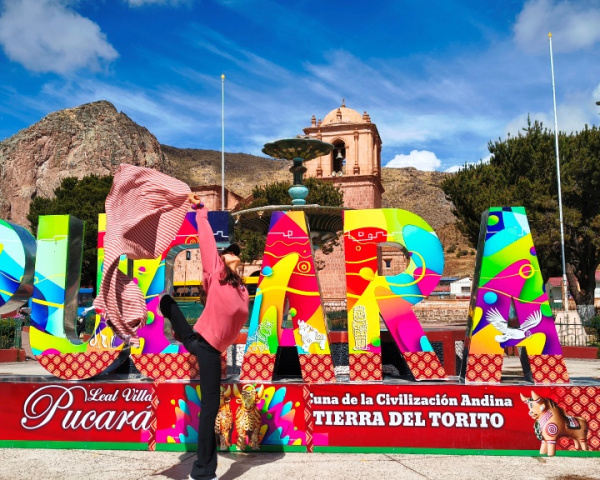
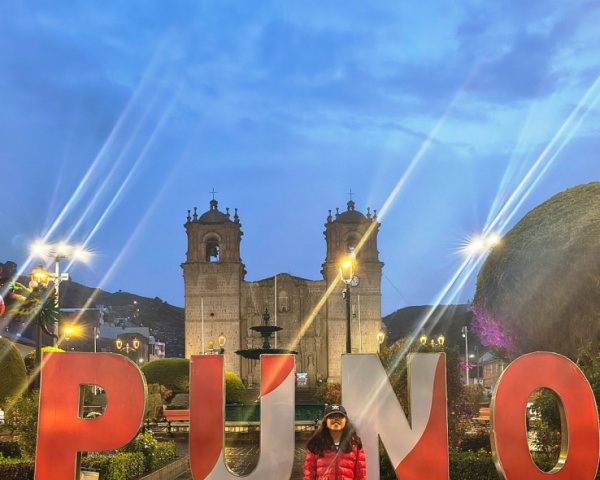
Our adventure began with an exhilarating bus ride from Copacabana to Puno, a city nestled on the picturesque shores of Lake Titicaca. Puno, with its vibrant culture and deep-rooted history, served as the perfect introduction to our Peruvian journey.
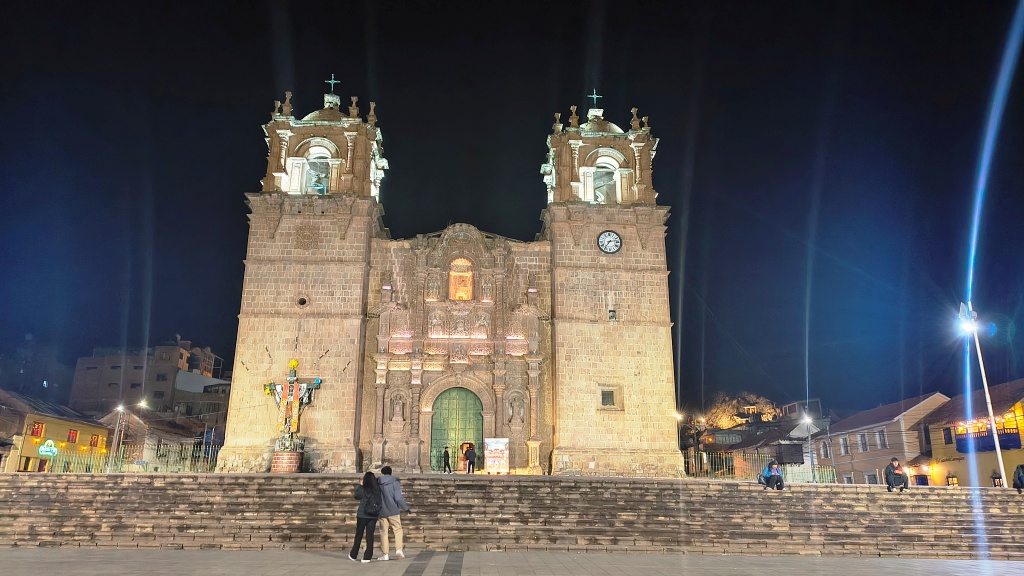
Day 2: Exploring Puno and the Journey to Cusco
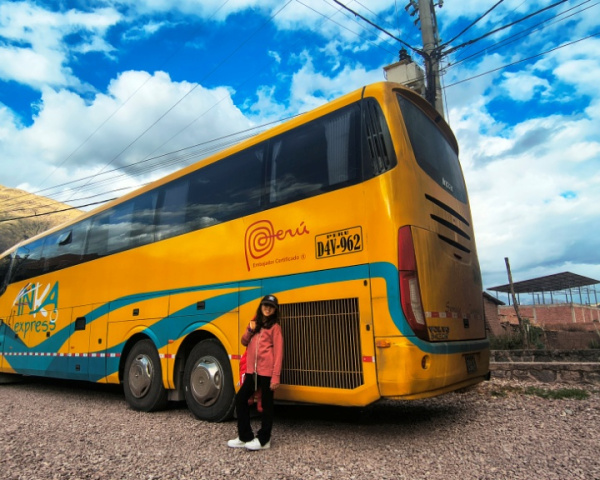
After immersing ourselves in the sights and sounds of Puno, we embarked on a scenic bus trip to Cusco by Inka Express. The journey was nothing short of spectacular, with breathtaking landscapes unfolding at every turn. Expansive plains gave way to towering mountain peaks, offering glimpses of traditional Andean life.

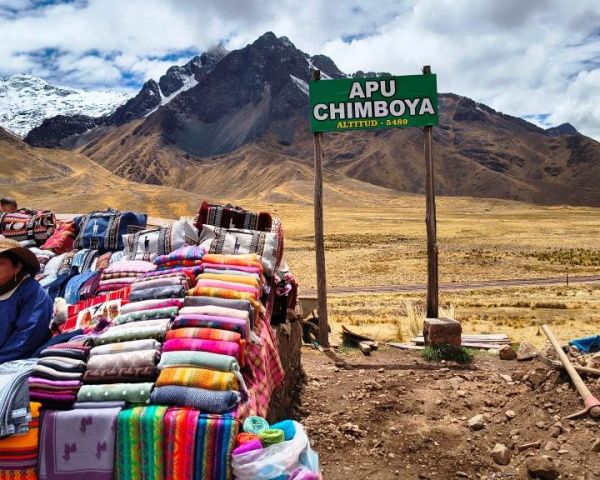
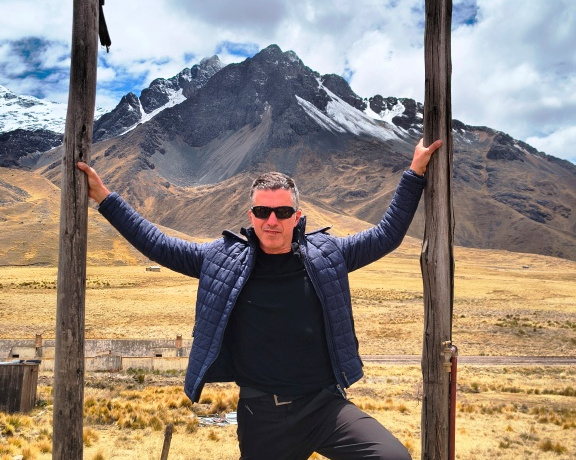
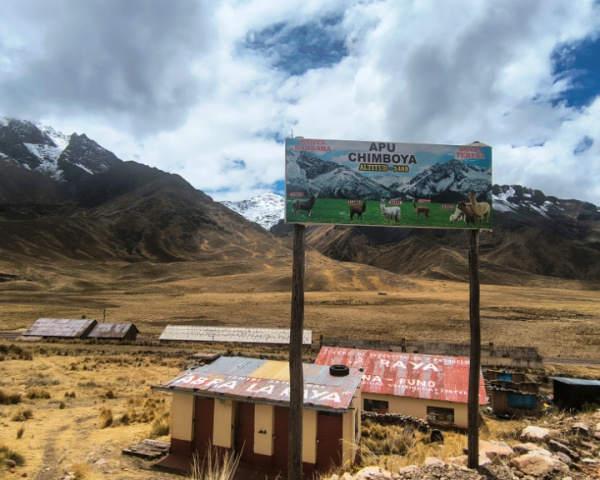
Along the way, we encountered Apu Chimboya, a sacred mountain revered by the locals. Its majestic peak stood as a sentinel over the land, embodying the spirit of the Andes and adding a mystical element to our journey.
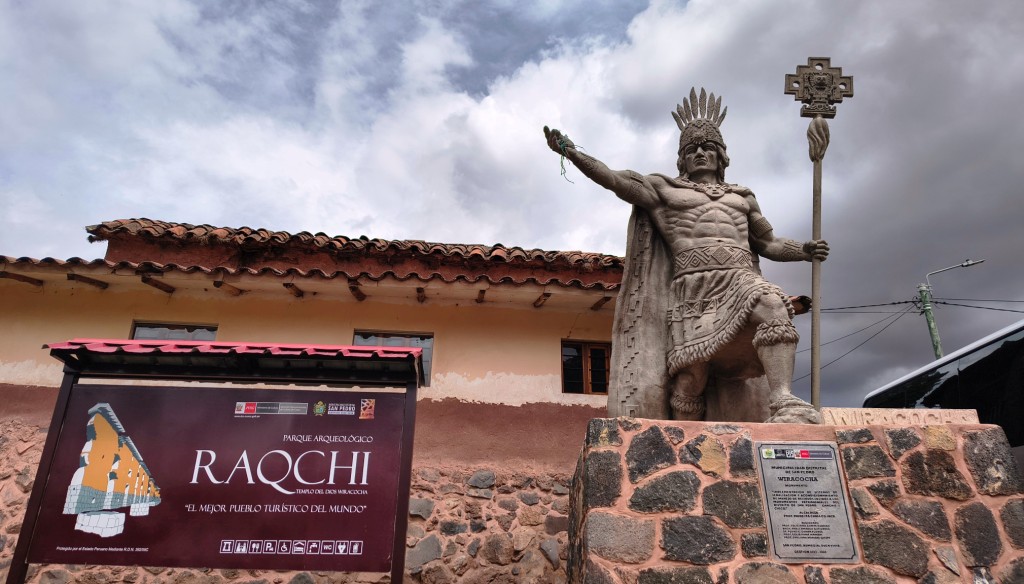
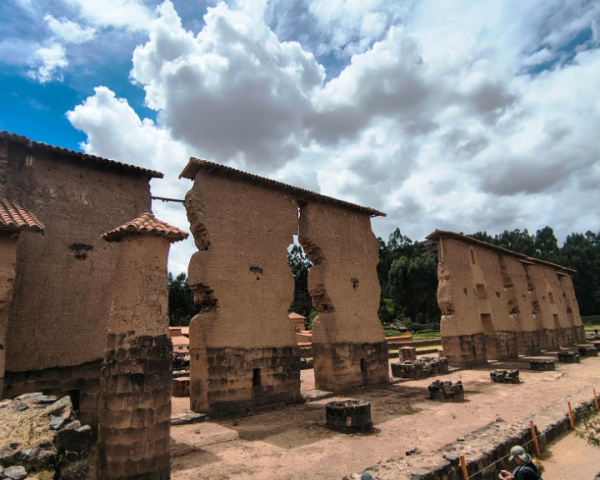
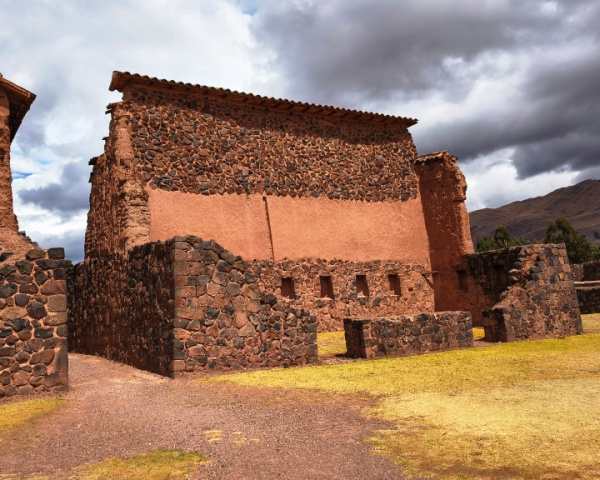
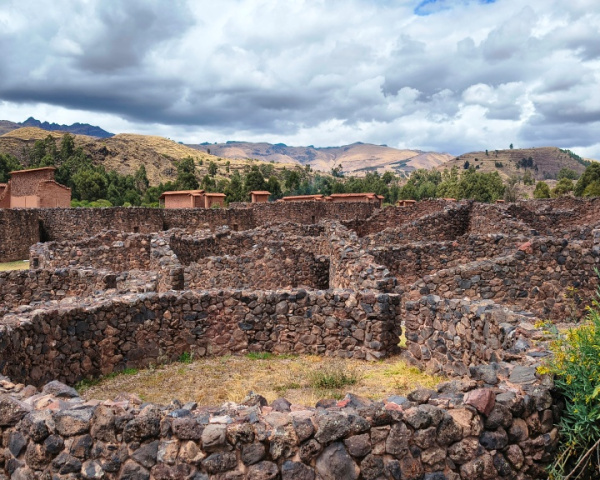
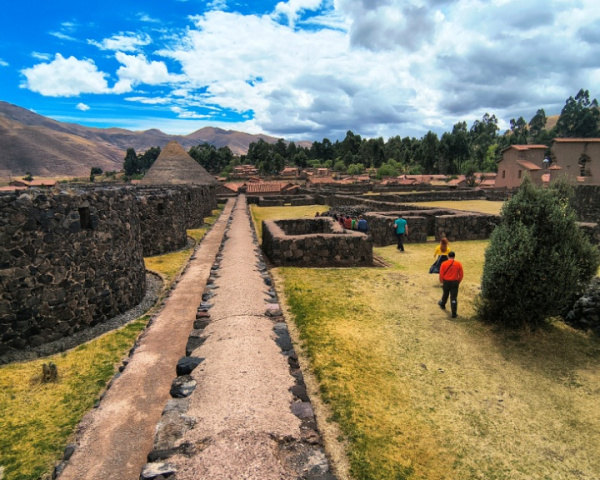
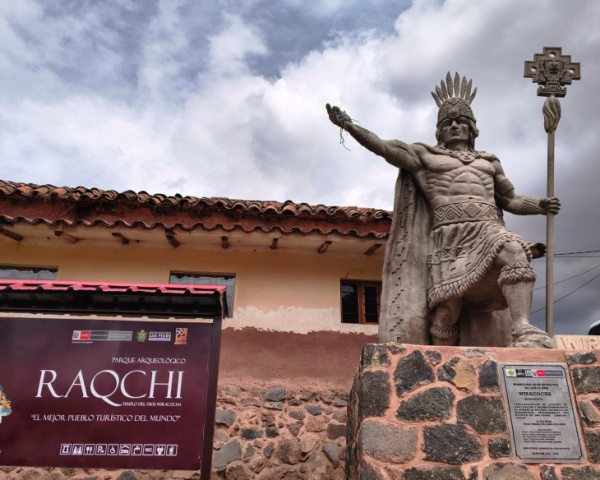
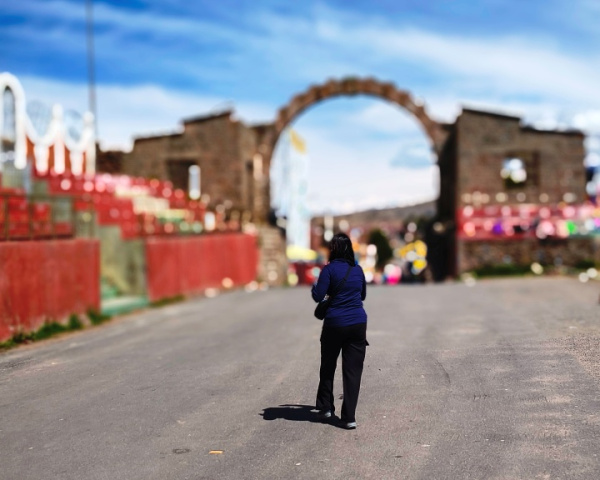
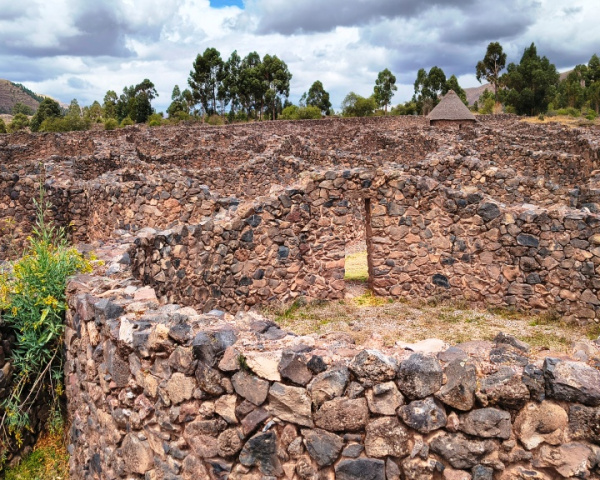
We stopped at Raqchi, an archaeological site that offers insight into the Inca civilization. Known for the Temple of Wiracocha, Raqchi showcases impressive stone and adobe structures that hint at the architectural prowess of the Incas. Walking through this site, we marveled at the grandeur of the temple and the surrounding buildings, which served as religious and administrative centers. The blend of natural beauty and historical significance made Raqchi an unforgettable part of our journey.
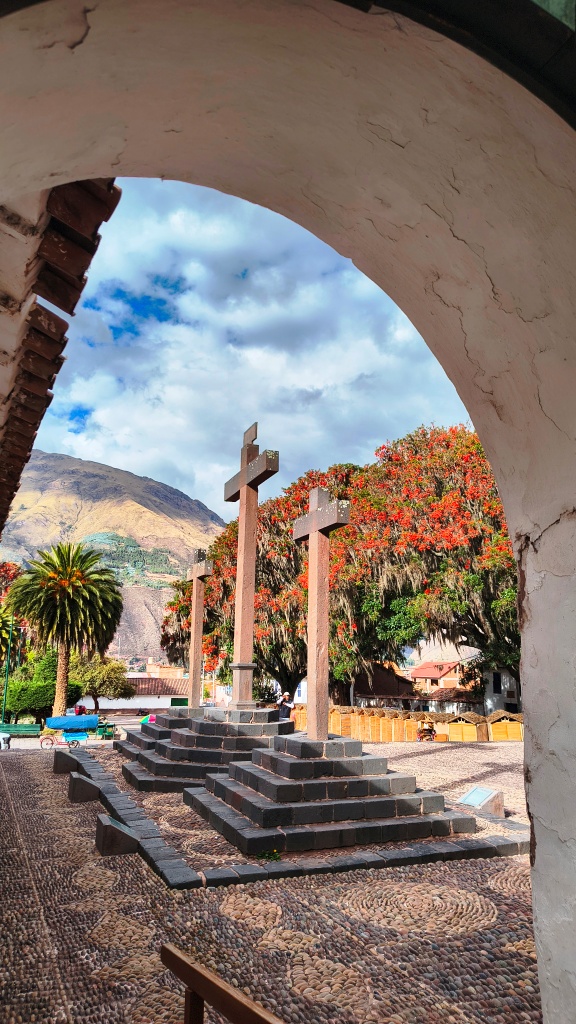
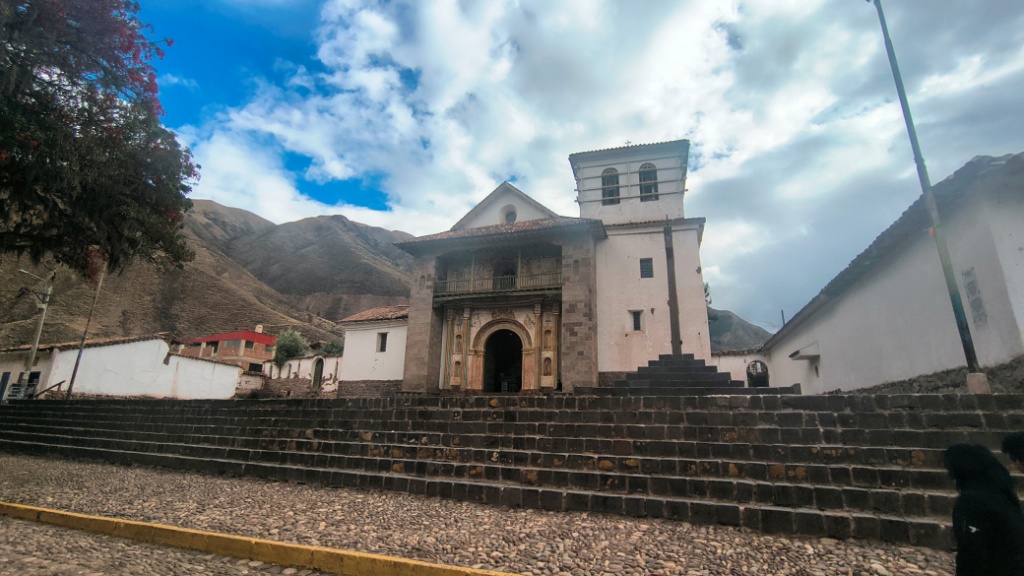
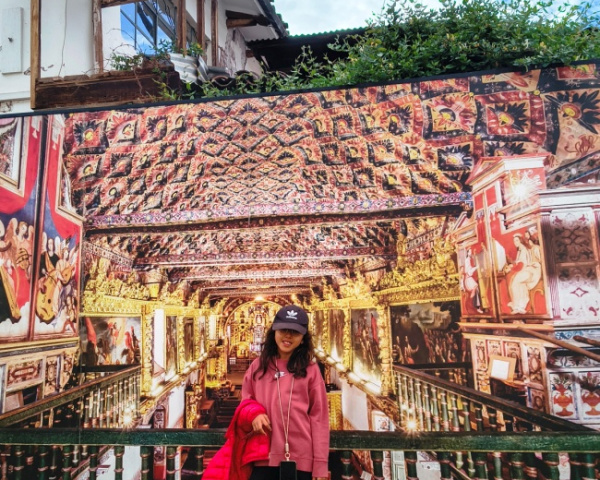
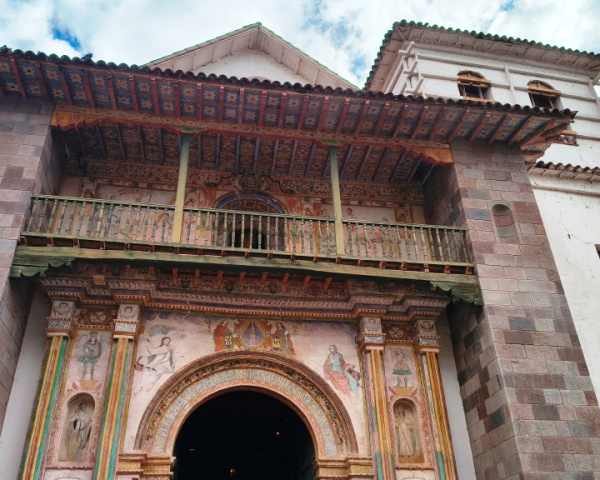
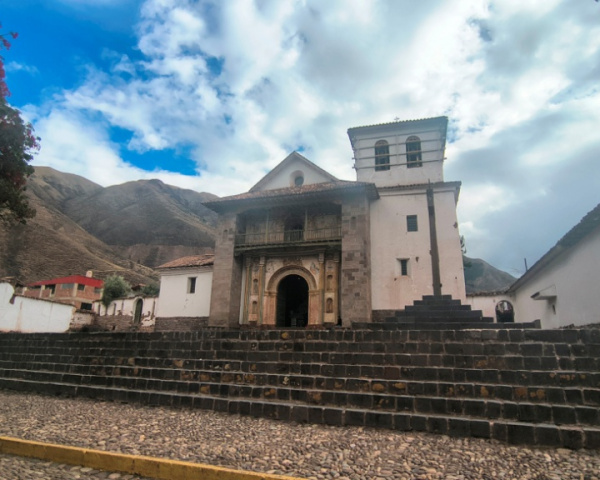
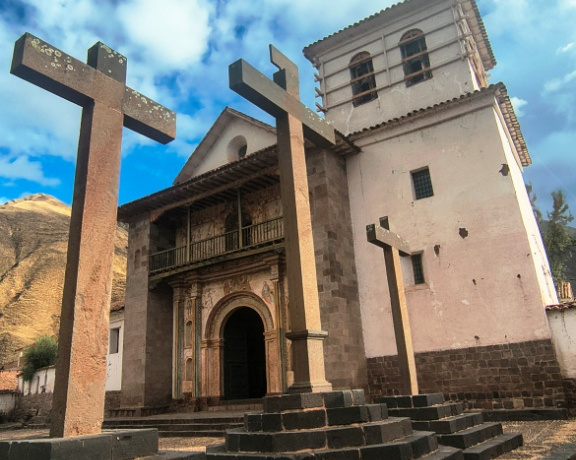
Our final stop was the San Pedro de Andahuaylillas Church, often referred to as the “Sistine Chapel of the Andes” due to its intricate murals and ornate gilded altars—a testament to the fusion of European and Andean art. San Pedro Church stands as a symbol of cultural fusion, combining indigenous and European influences in its design and construction.
Day 3: Discovering Maras and Moray
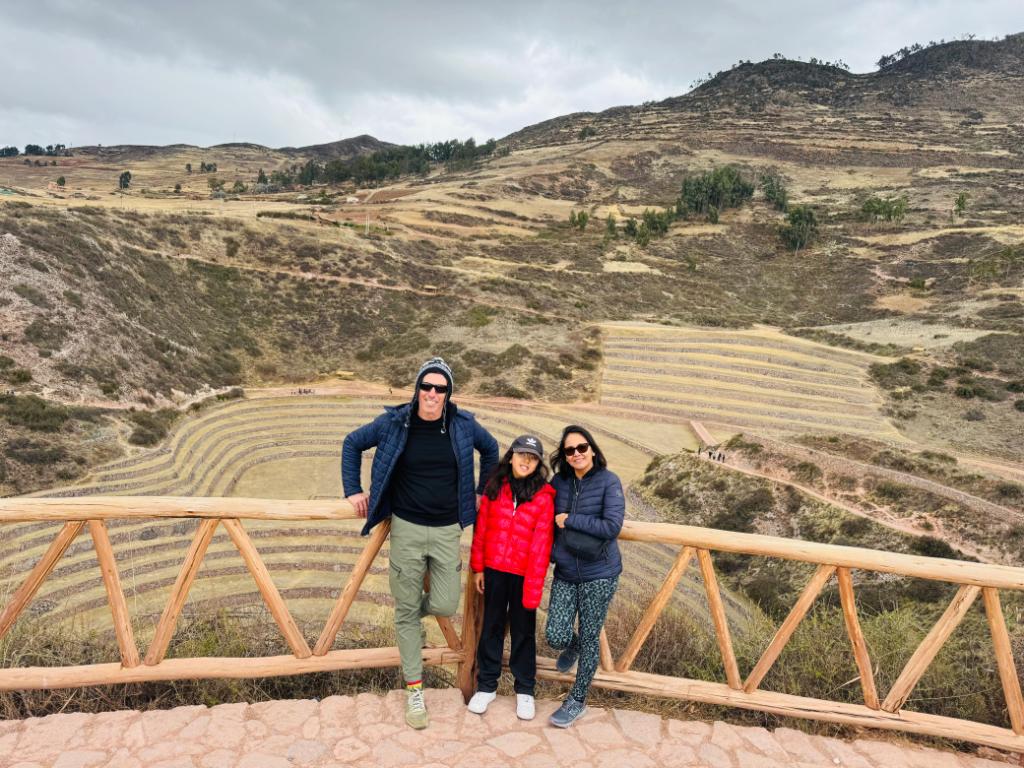
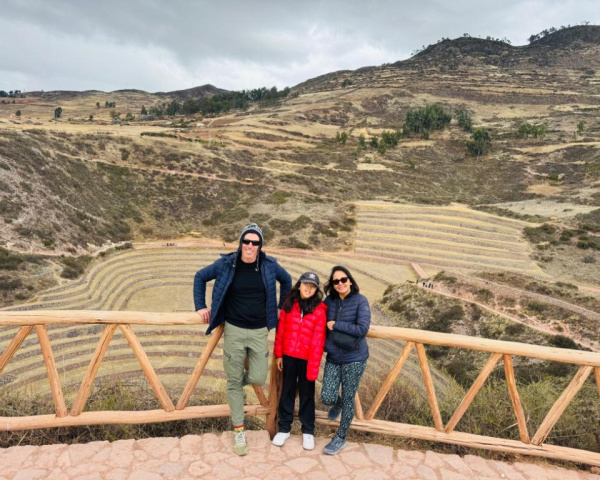
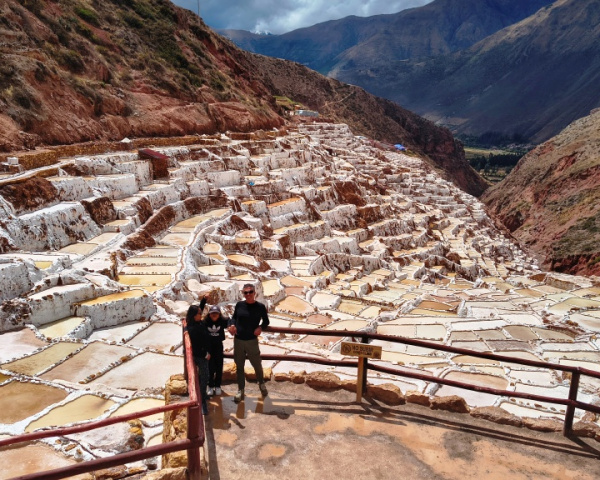
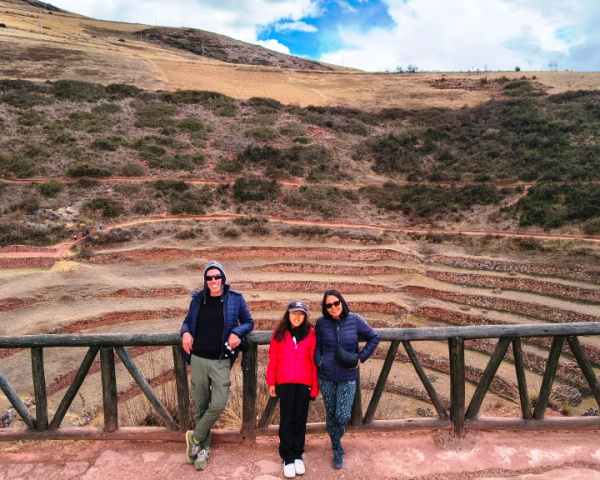
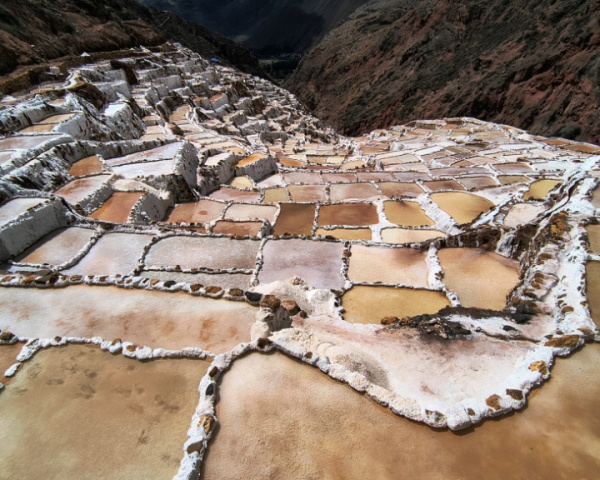
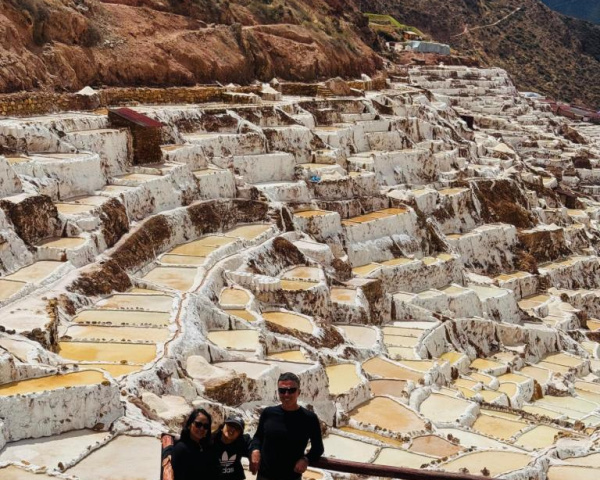
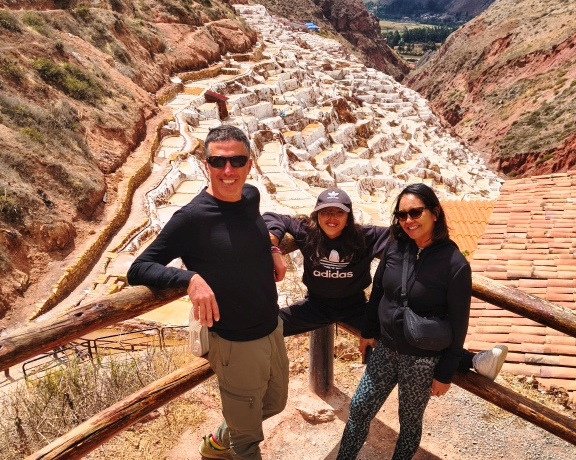
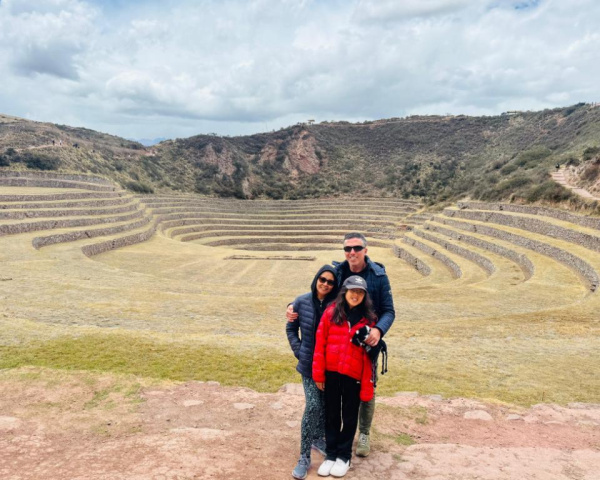
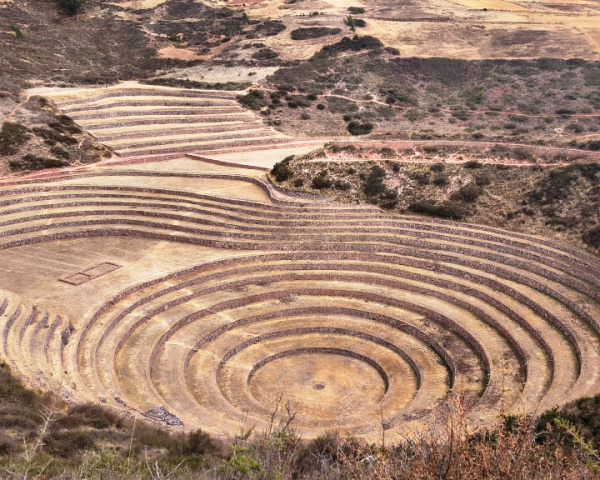
The following day, we set out from Cusco to explore the stunning salt mines of Maras and the fascinating agricultural terraces of Moray. These sites are a testament to the ingenuity of the Inca civilization, with the salt mines reflecting a tradition meticulously maintained for centuries. The terraces showcased the Incas’ advanced agricultural techniques, with each layer at a different altitude allowing for the cultivation of various crops. It was a marvel to witness the harmony between nature and human innovation.
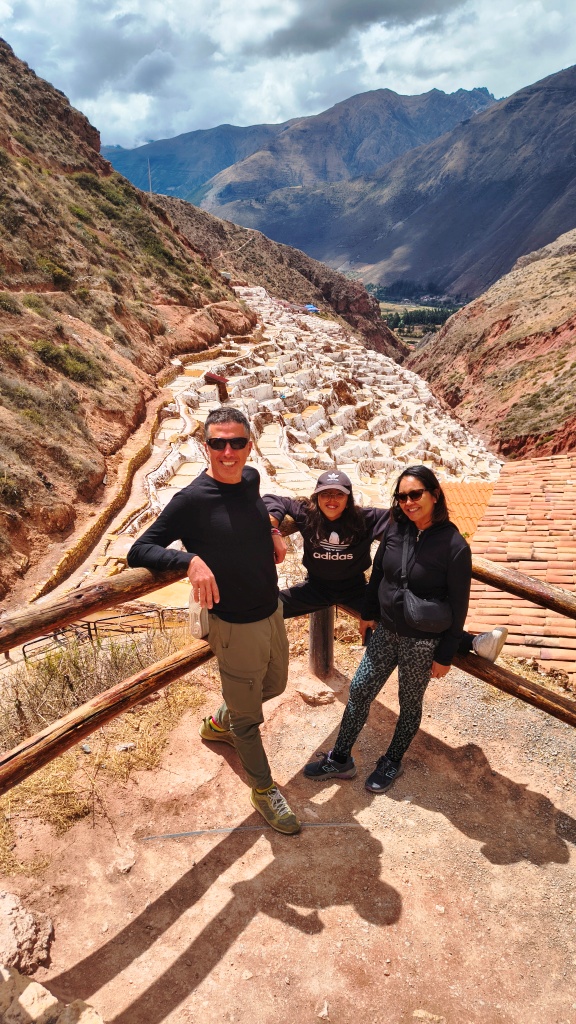
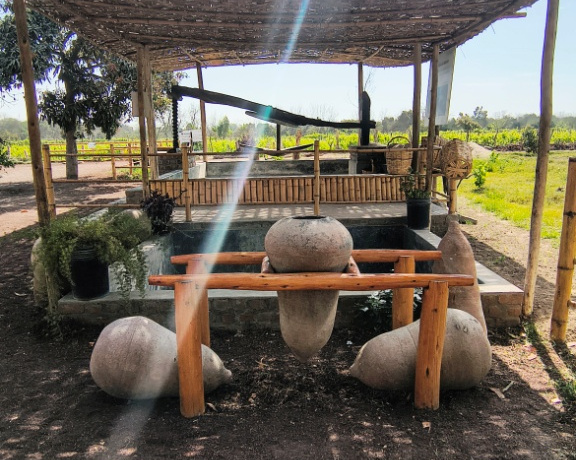
The Maras salt pans have their origins in pre-Inca times. Local families manage the area collectively: each owns or rents several pools, where they regulate the flow of water to obtain crystals. This activity reveals a kaleidoscope of chromatic hues, where the white of the salt mixes with the rust-colored highlights left by iron and other minerals. The salt pans consist of a complex of approximately 3,000 pools. The salt production system has been passed down from generation to generation, passed from parents to children, and has remained virtually unchanged since pre-Inca times.
From the moment you first glimpse the Maras salt pans, it’s hard to tear your gaze from this extraordinary patchwork of pools nestled along the mountainside. The visual effect is made even more captivating by the hues that change depending on the time of day and the angle of the sun.
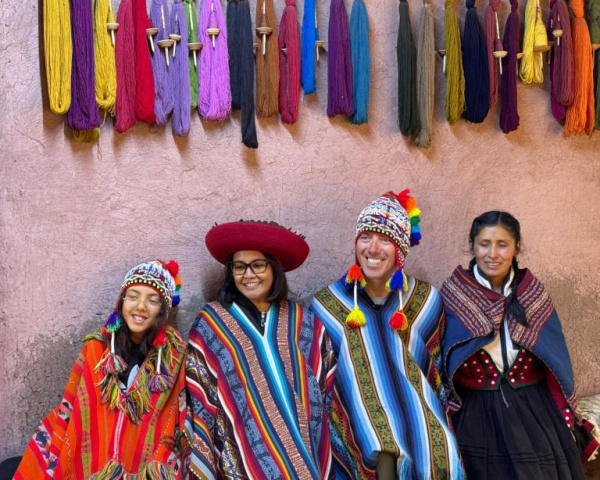
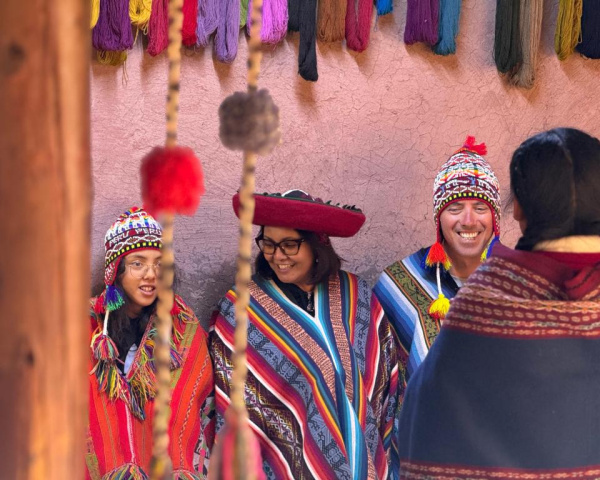
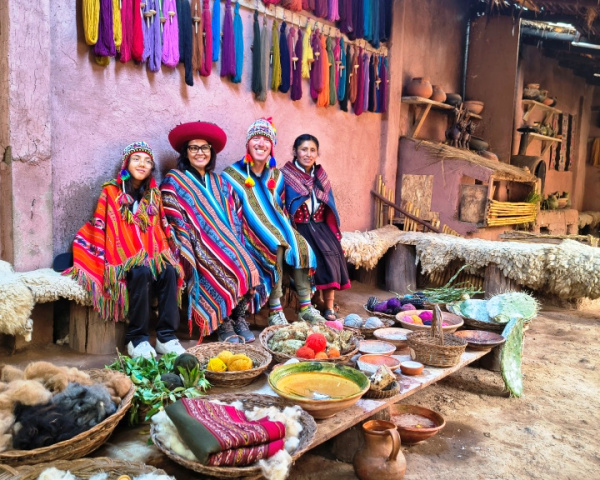
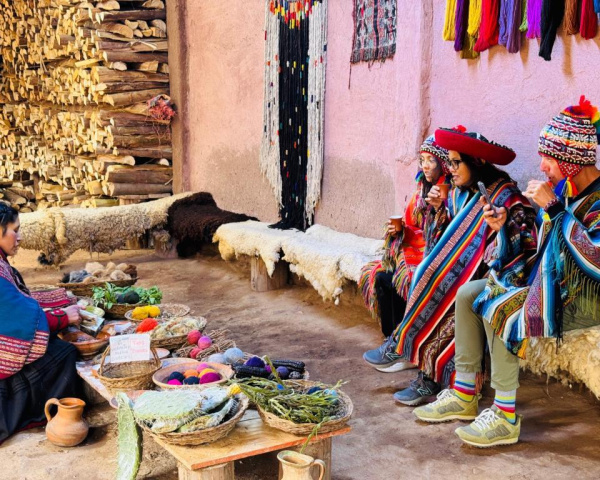
We also visited Chinchero for the traditional weaving practices. The women of Chinchero are renowned for their intricate textiles, which they create using techniques passed down through generations. We had the opportunity to observe these artisans at work and even purchase handmade textiles as souvenirs (a bit overpriced).

Day 4: The Majestic Machu Picchu
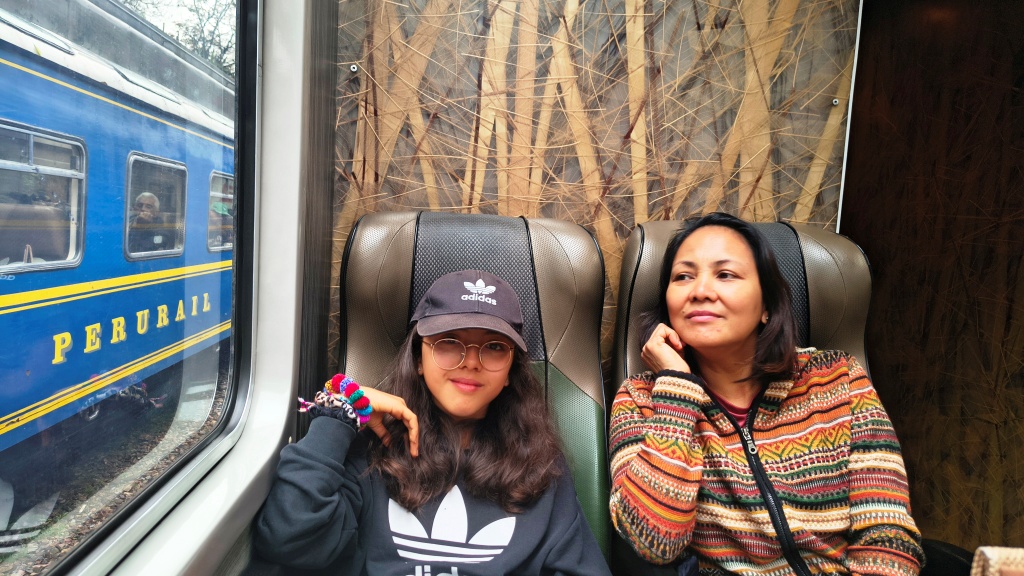
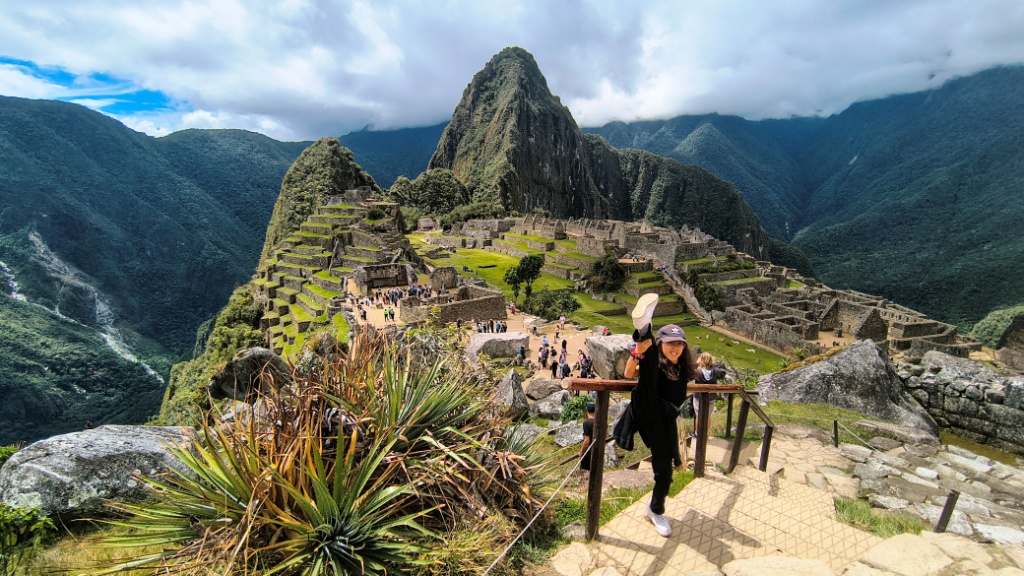
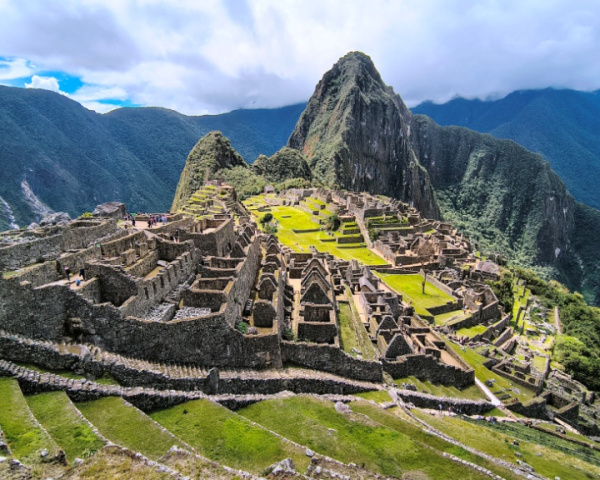
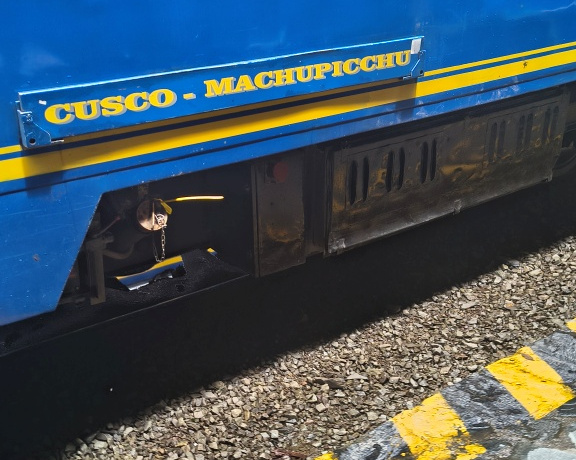
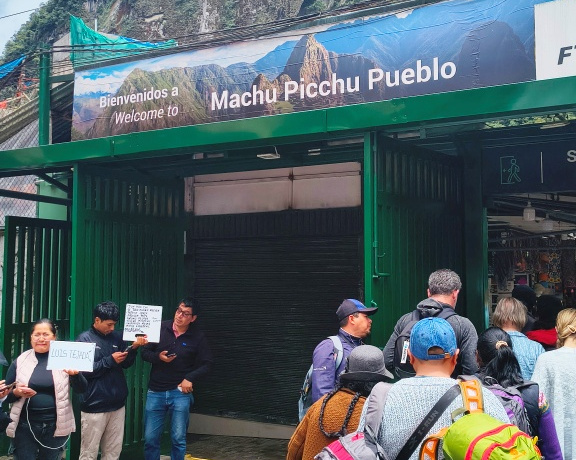
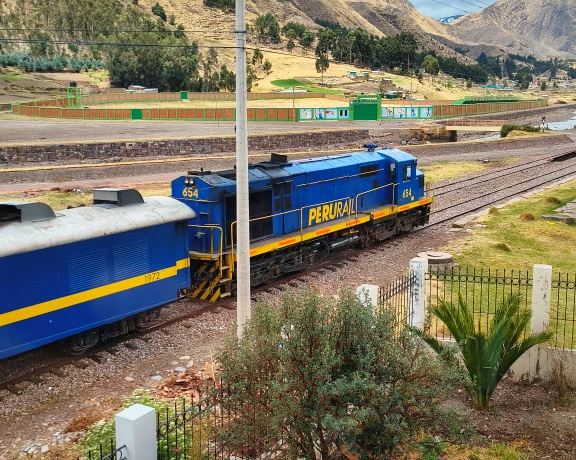
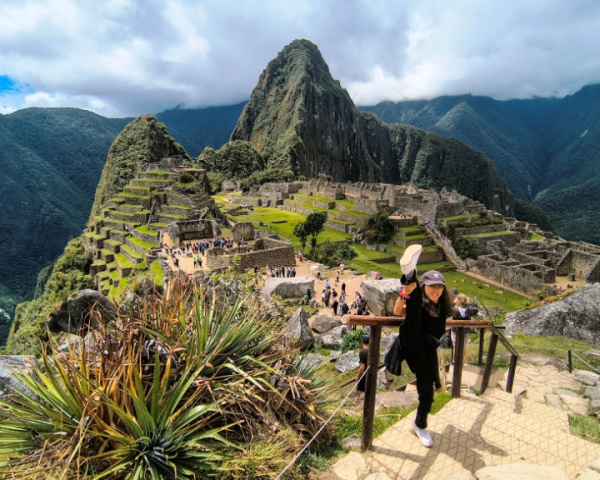
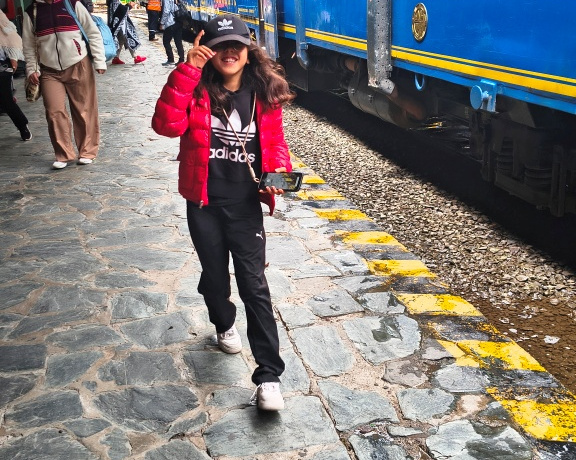
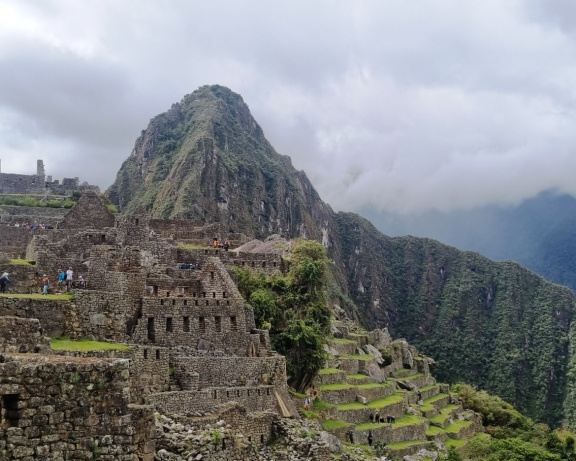
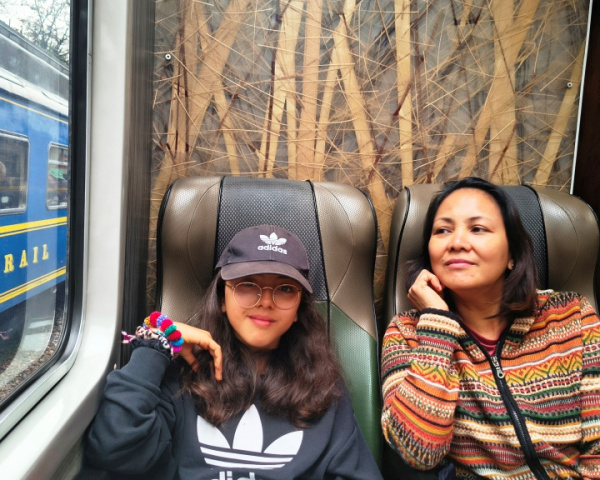
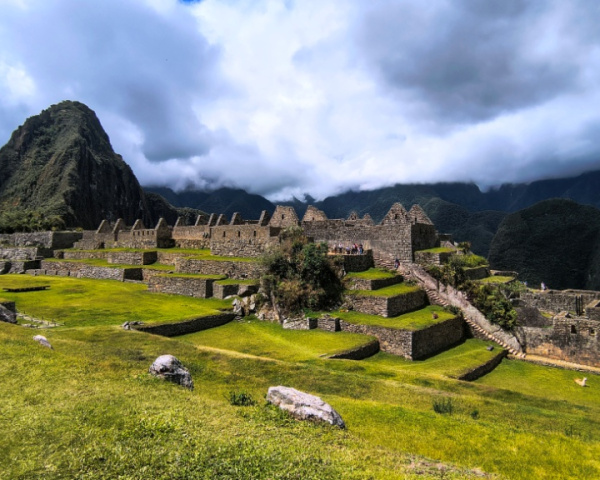
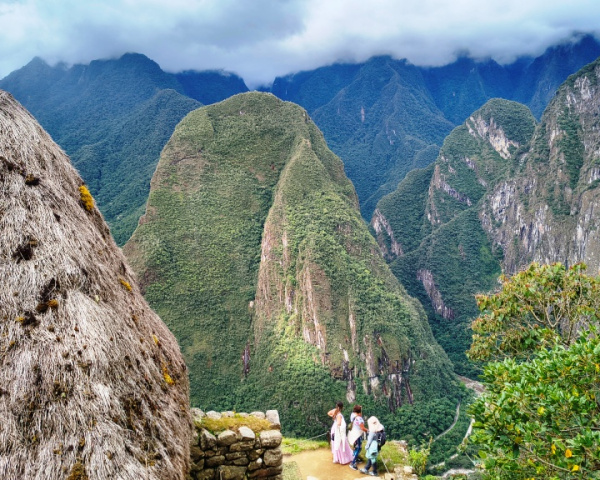
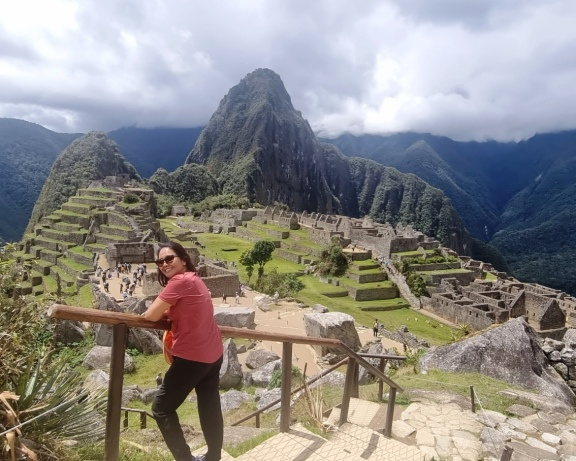
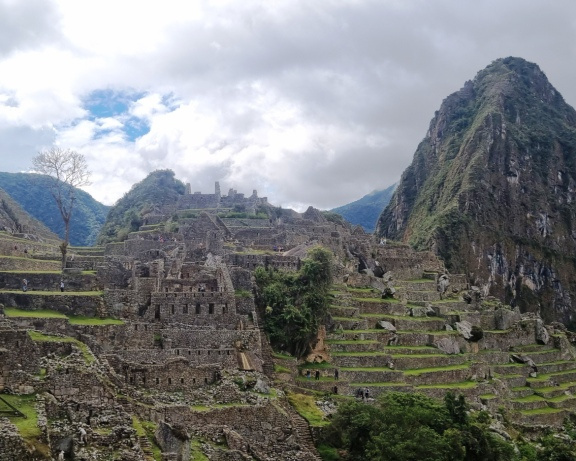
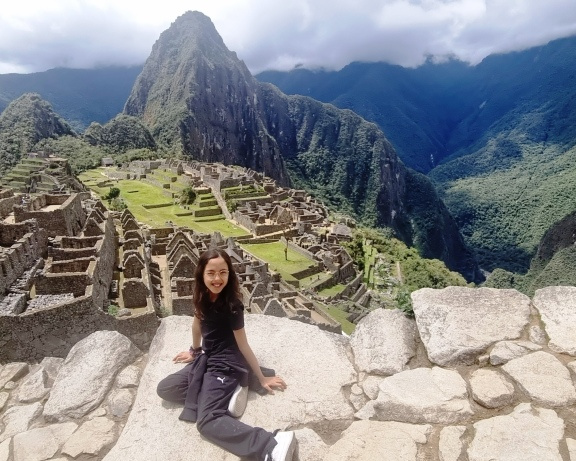
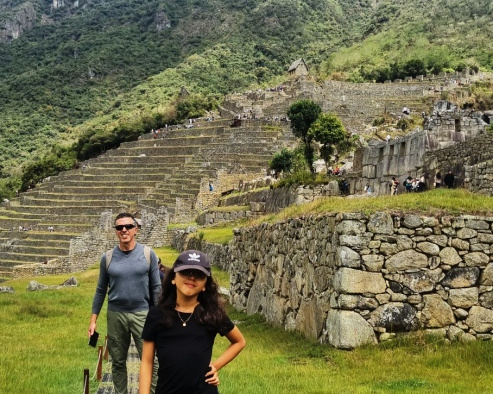
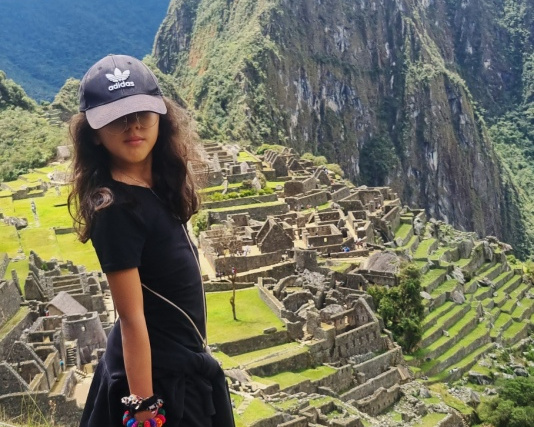
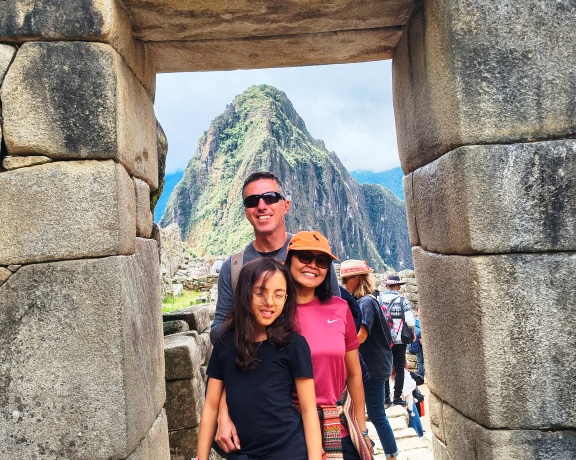
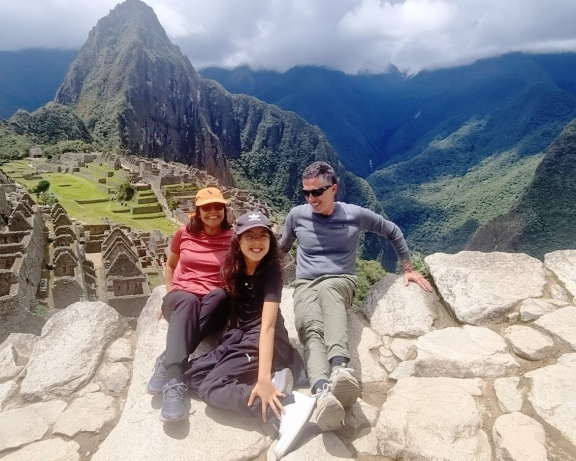
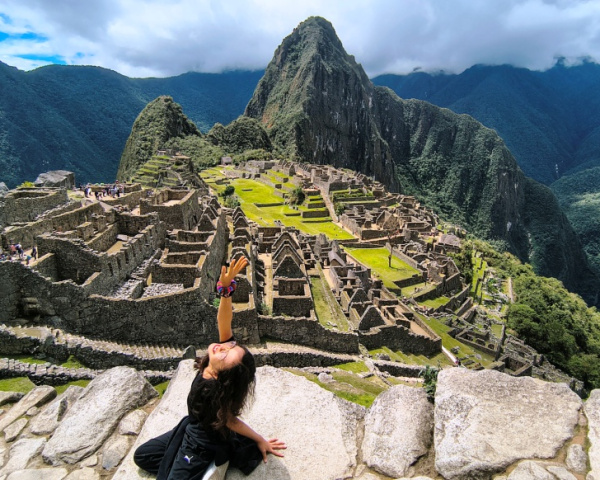
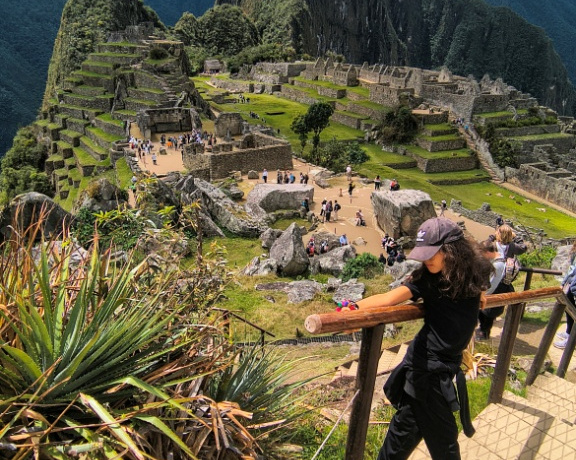
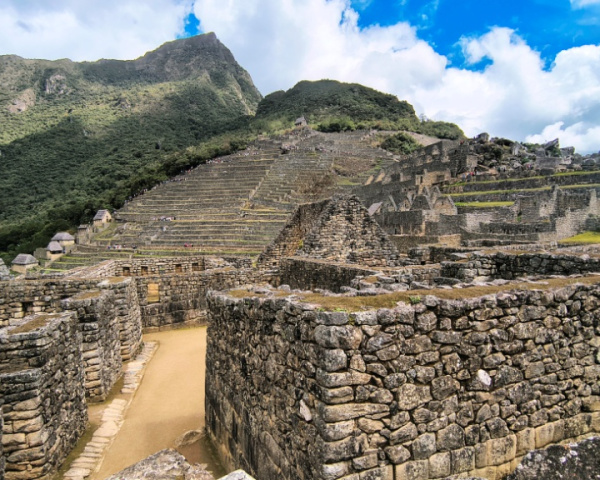
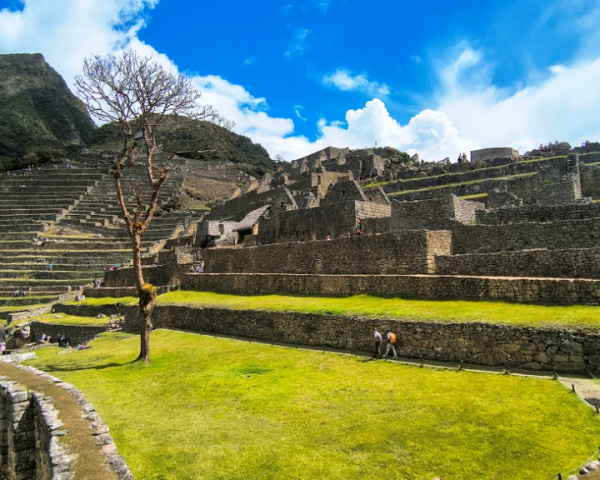
Our excitement peaked as early morning we boarded a train at San Pedro Station in Cusco, bound for Aguas Calientes, the gateway to Machu Picchu. The train journey itself was an experience, offering panoramic views of the Sacred Valley’s lush landscapes, dotted with quaint villages and terraced fields. Arriving at Machu Picchu was a dream come true. The grandeur of this ancient city, perched high in the Andes, was awe-inspiring. We spent the day exploring its stone structures, marveling at the intricate stonework and breathtaking views of the surrounding mountains. Each corner of Machu Picchu held a story, a silent whisper of the past resonating through time.
Nestled high in the Andes Mountains of Peru, Machu Picchu is a breathtaking archaeological wonder that captivates the imagination of travelers and historians alike. Known as the “Lost City of the Incas”, it remains one of the most iconic symbols of the Incan Empire and a testament to their architectural prowess and ingenuity. Machu Picchu was constructed in the 15th century during the reign of Inca Emperor Pachacuti. It is believed to have served as a royal estate or a religious retreat, though its exact purpose remains a mystery. Abandoned during the Spanish Conquest, the site was largely forgotten until its rediscovery by American historian Hiram Bingham in 1911.
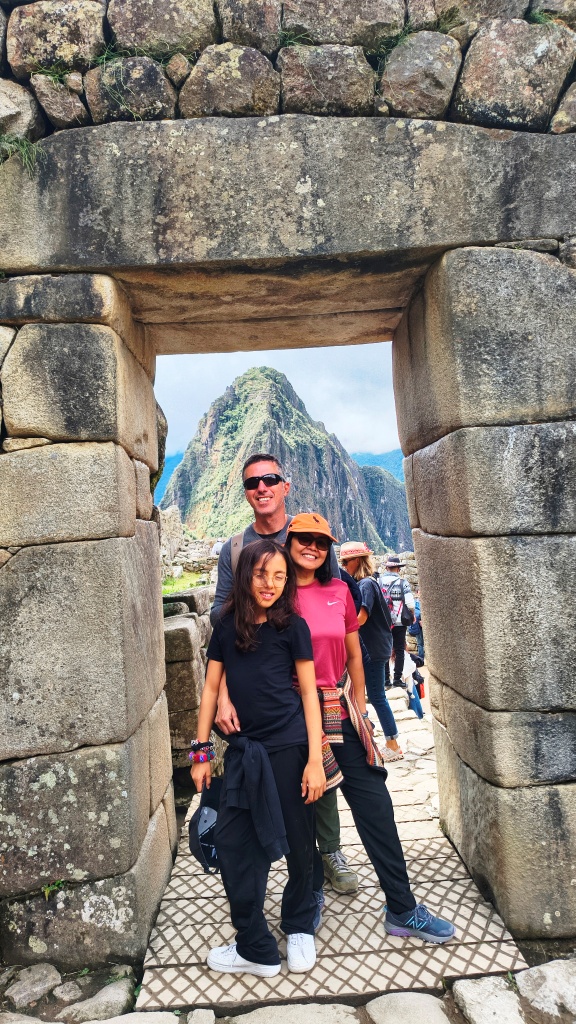
The site is a remarkable feat of engineering and design, featuring more than 150 buildings, including temples, terraced fields, and aqueducts. The Incas constructed Machu Picchu using a technique called ashlar, where stones are cut to fit together without the use of mortar. This method allowed the structures to withstand the seismic activity common in the region. The site’s elevation, approximately 2,400 meters above sea level, contributes to its unique ecosystem.
Day 5: The Rainbow Mountain Adventure
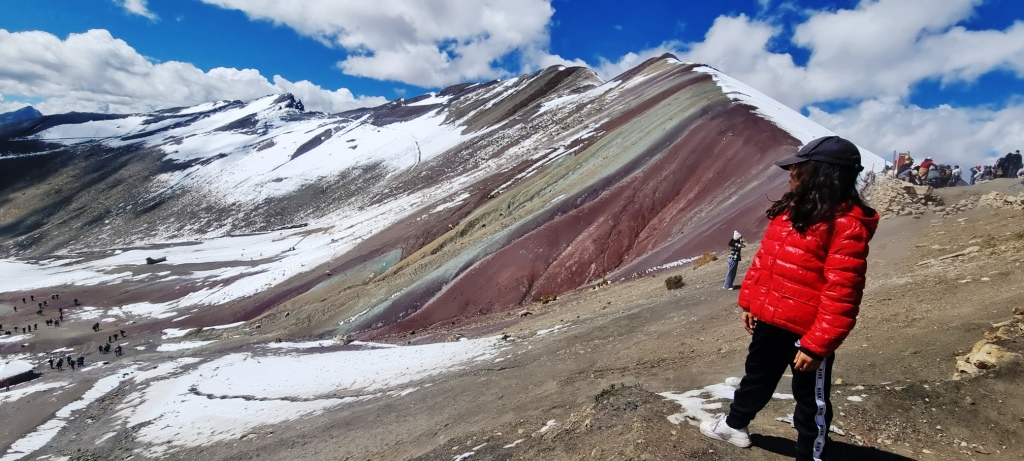
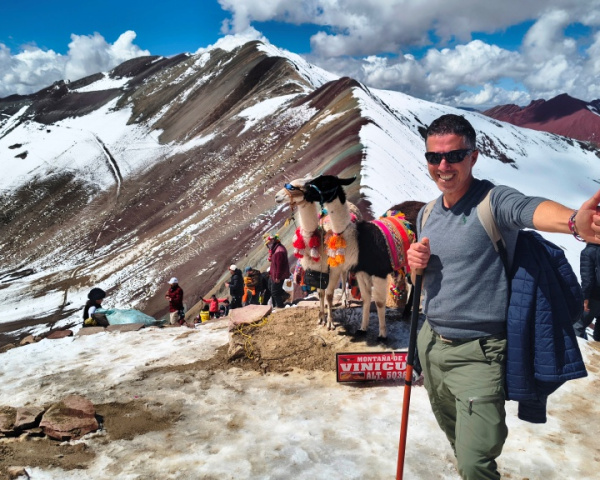
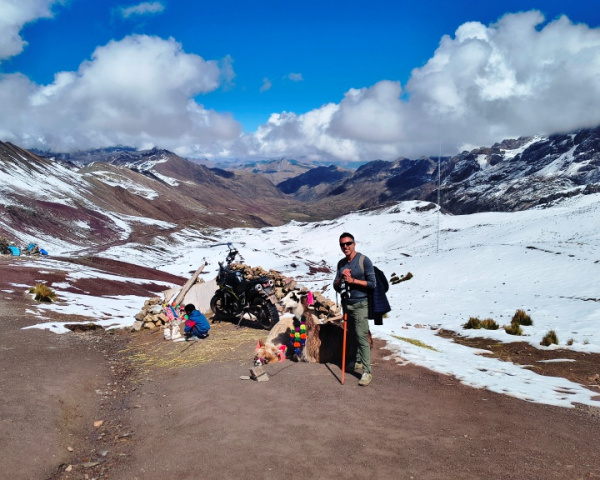
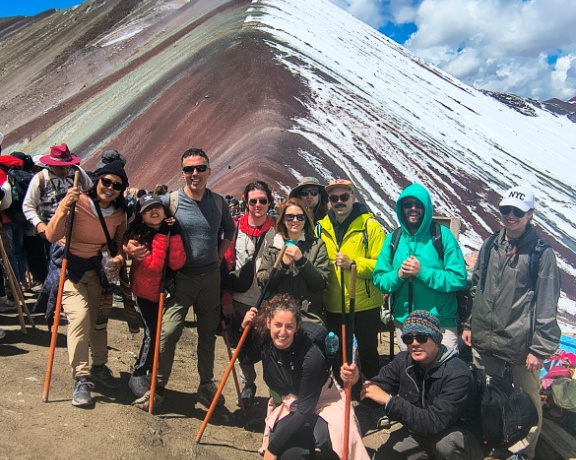
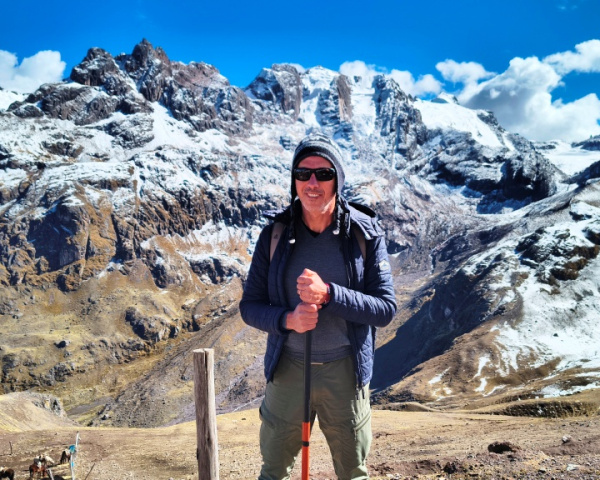
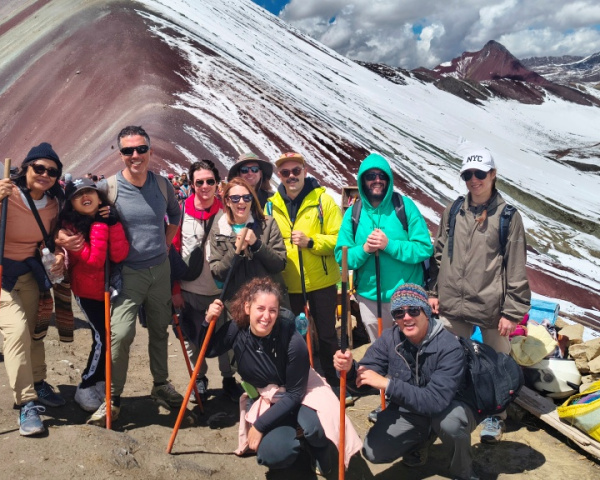
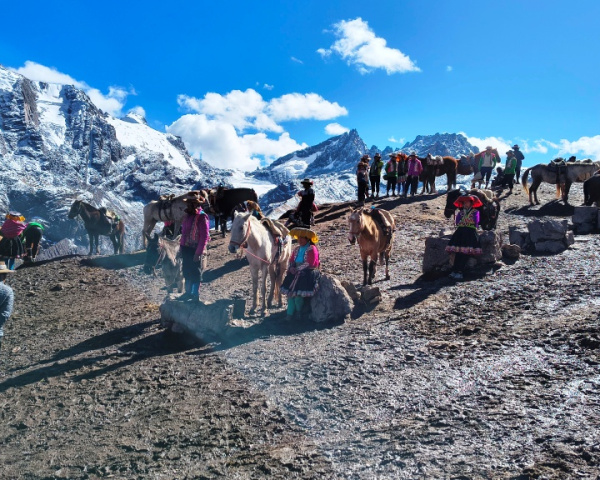
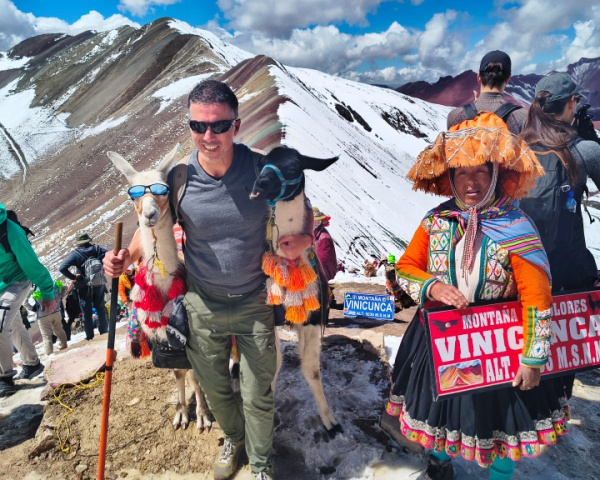
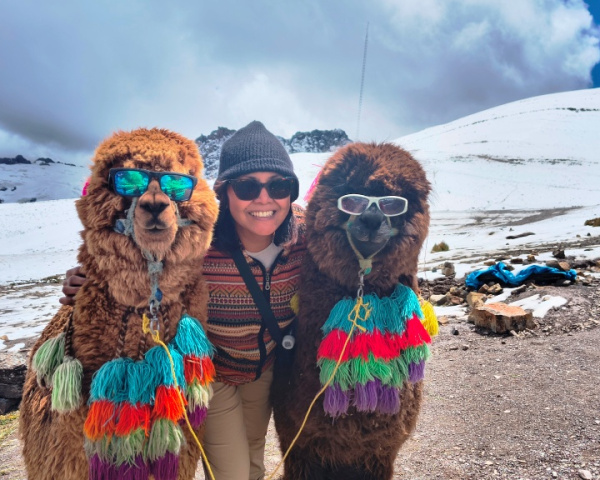
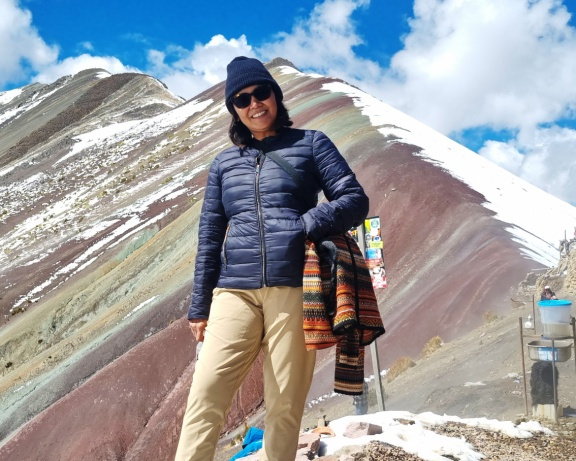
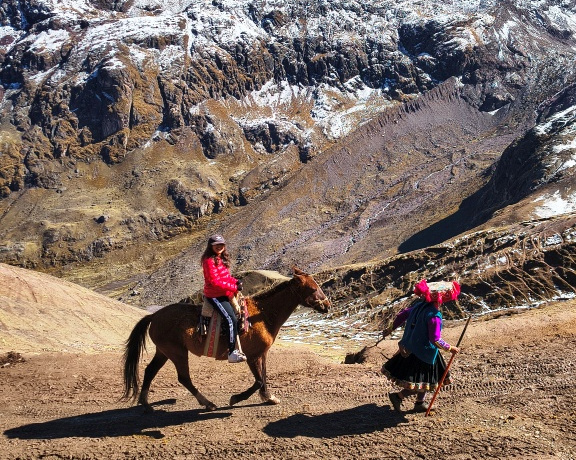
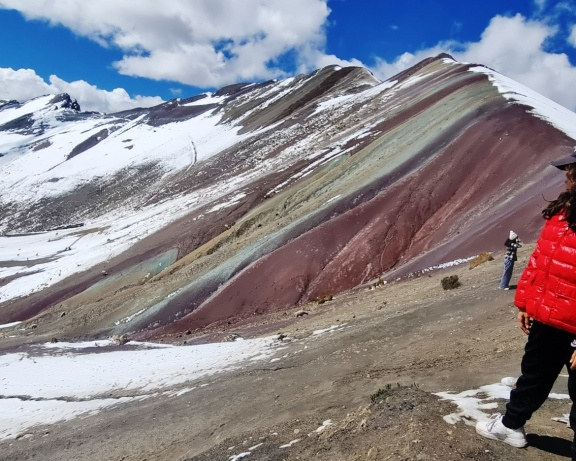
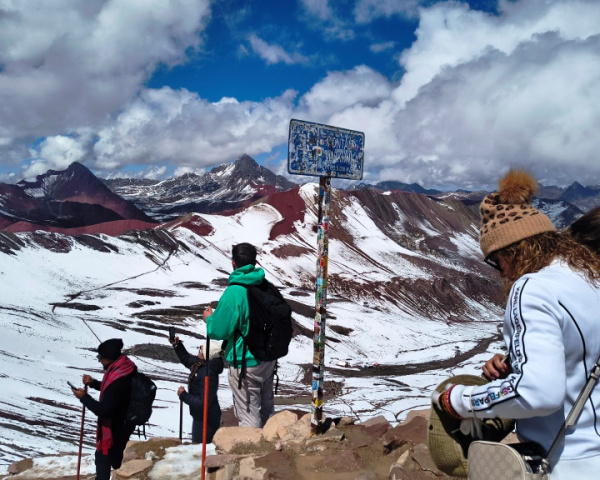
After the mystical experience at Machu Picchu, we set our sights on the Montaña de Siete Colores, or Rainbow Mountain. In fact, Rainbow Mountain, or Vinicunca, is one of Peru’s most stunning natural wonders. Known for its vibrant, multicolored slopes. This natural wonder, with its vividly striped hills, felt like stepping into a painting.
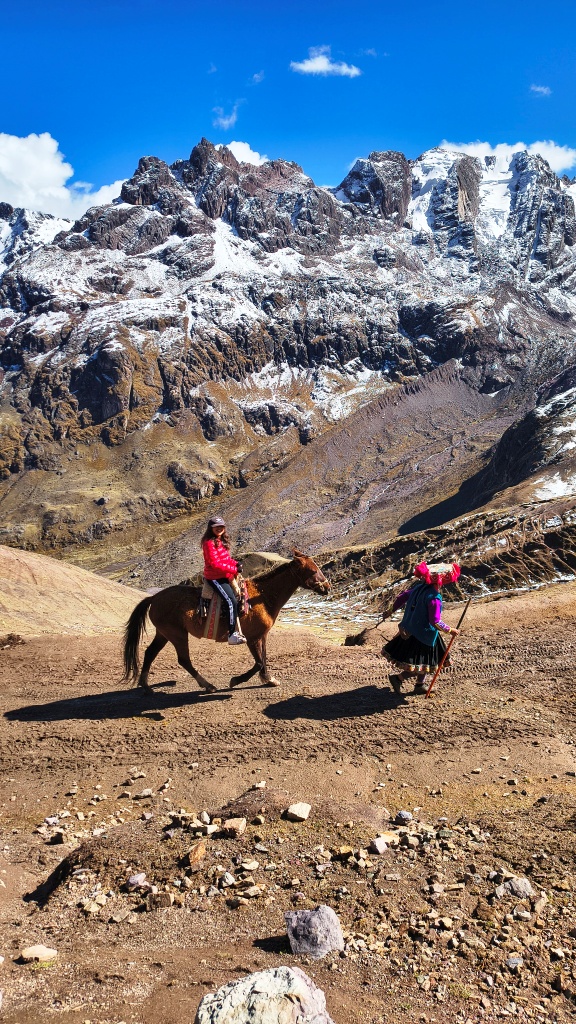
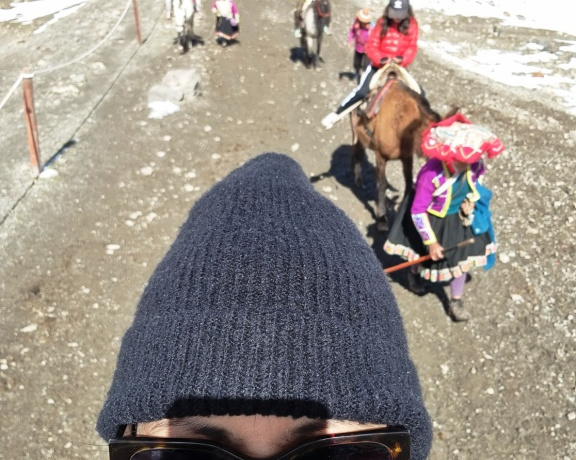
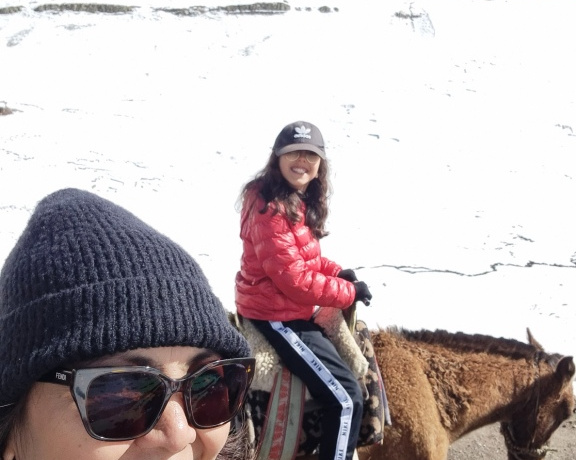
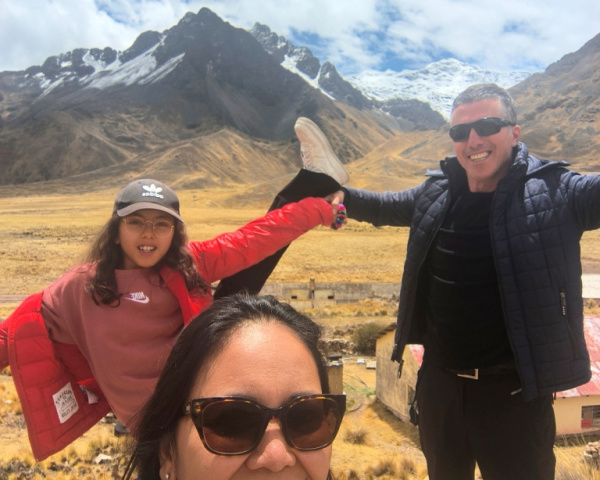
We went the Cusipata route, which is about 1.5 hours, covering approximately 70 km. The hike from the Cusipata parking area to the mountain is about 4 km each way. The trek was challenging but immensely rewarding. However, to tell the truth only dad walked all the way to the top. Instead, we chose to explore Rainbow Mountain by horse as the trek can be challenging due to its high altitude. Plus, it was a unique perspective and connection to the Andean culture, reminiscent of how locals have navigated these terrains for centuries. Reaching the summit offered a glimpse into Peru’s unique geological formations, with colors ranging from vibrant reds to soft turquoise, a testament to the earth’s artistry.
Day 6: Discovering Cusco and Farewell to the Andes
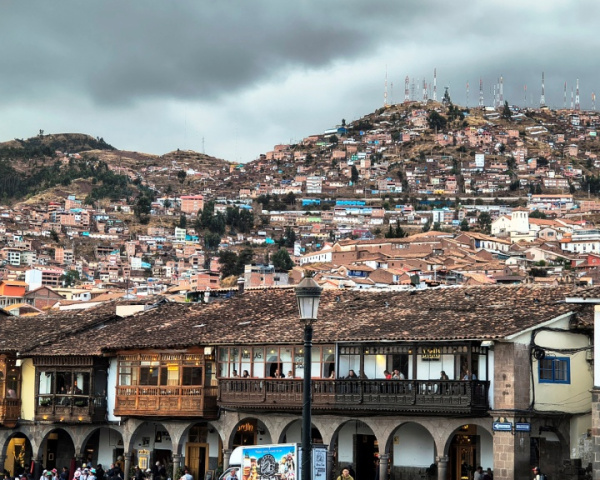
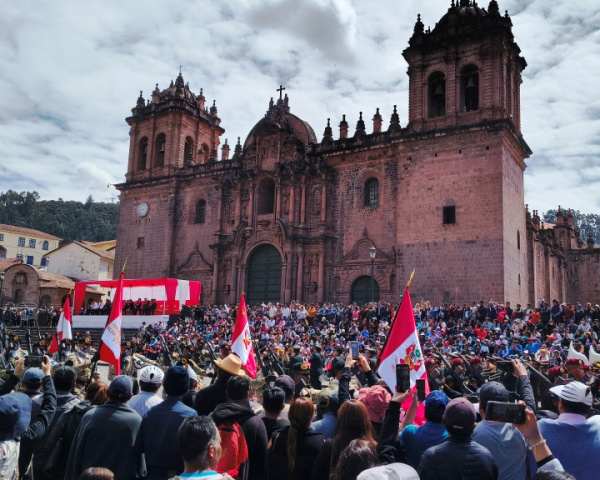
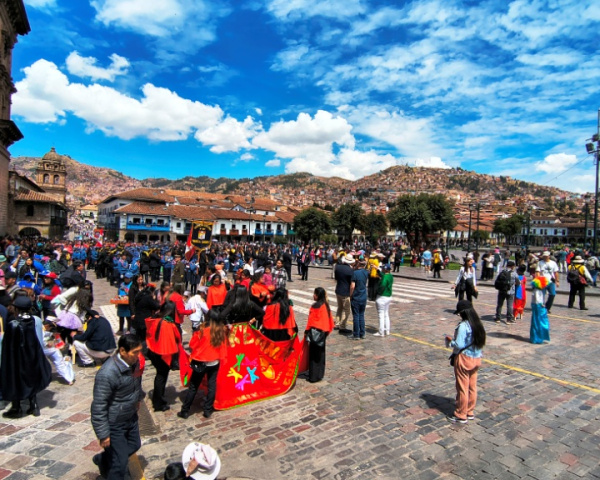
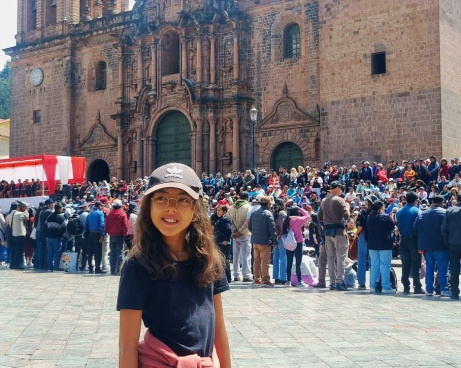
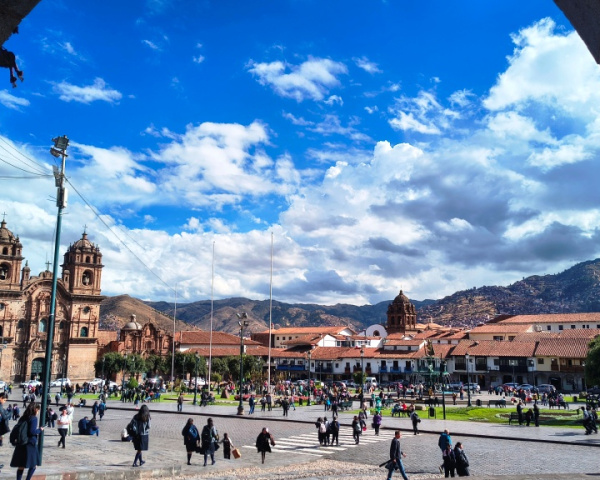
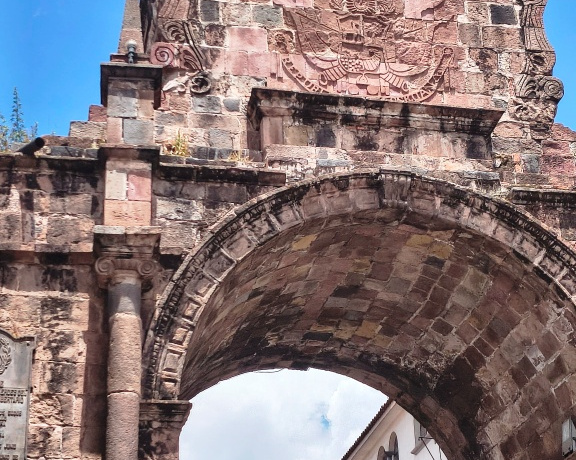
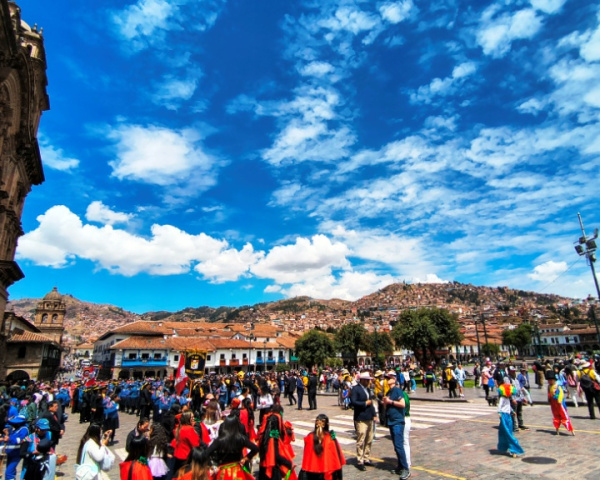
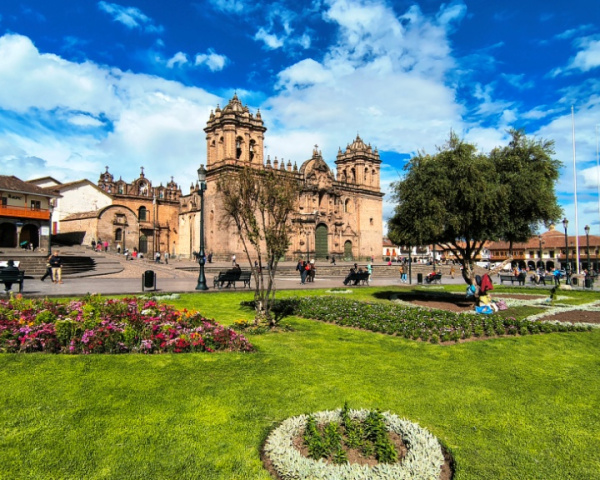
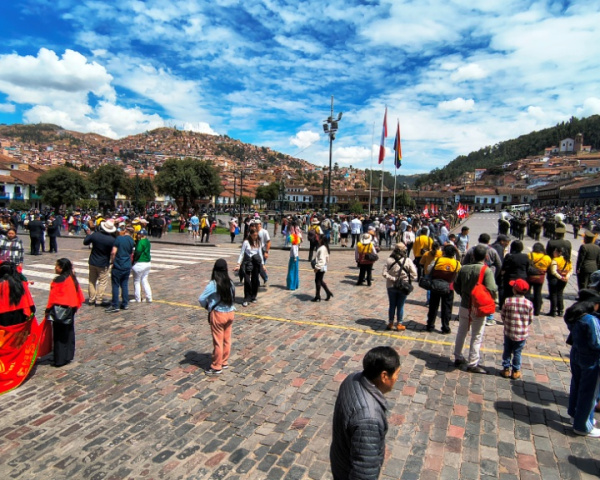
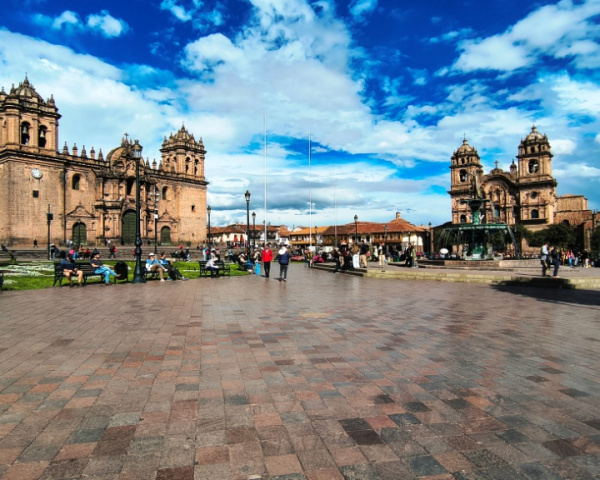
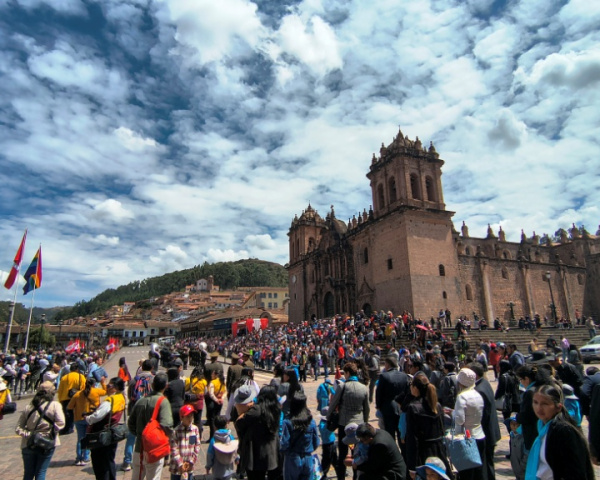
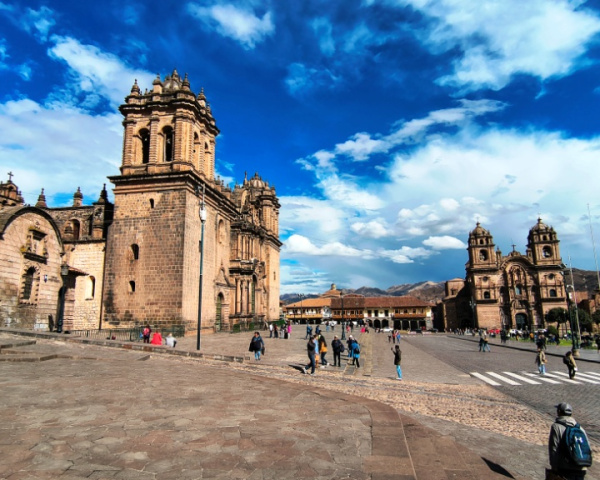
On our final day in Cusco, we took time to explore the city at the heart of the Inca Empire. Cusco is a fascinating blend of ancient history and modern vibrancy. From the stunning architecture of Plaza de Armas to the lively San Pedro Market, Cusco captivates with its energy and charm.
That evening, we took a flight to Lima, bidding farewell to the Andean highlands.

Day 7: From Lima to Paracas and Beyond
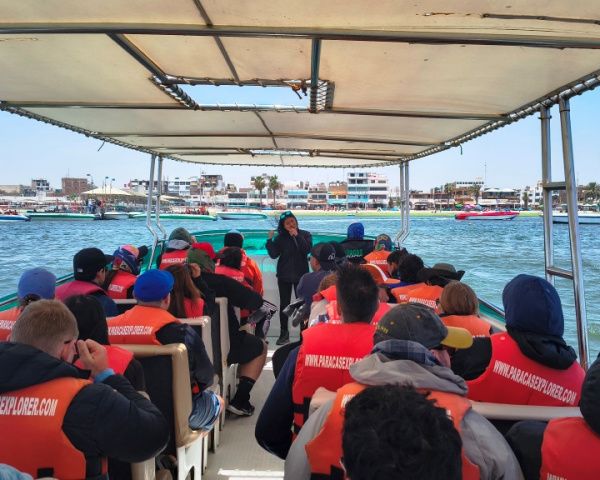
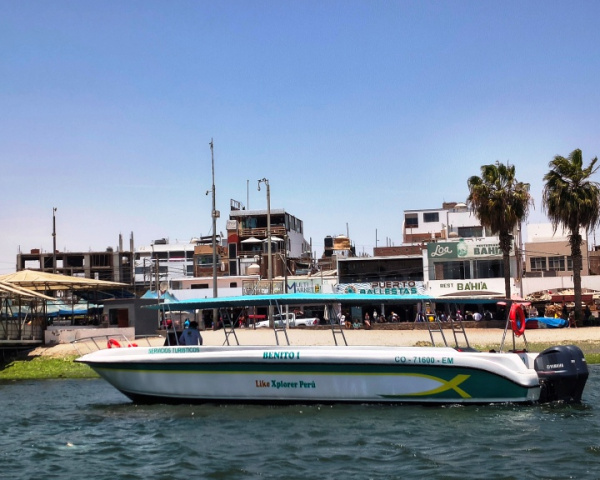
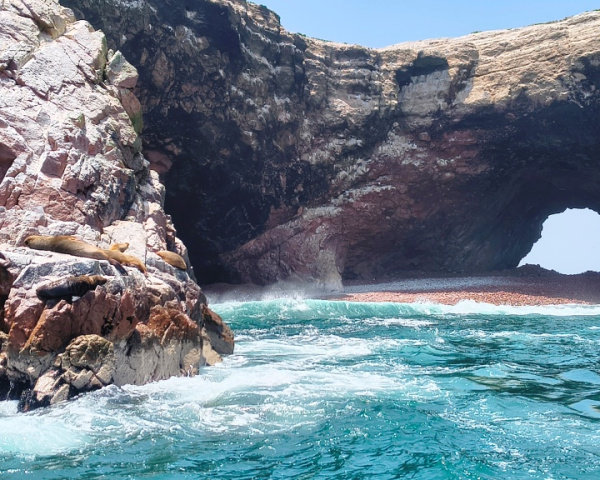
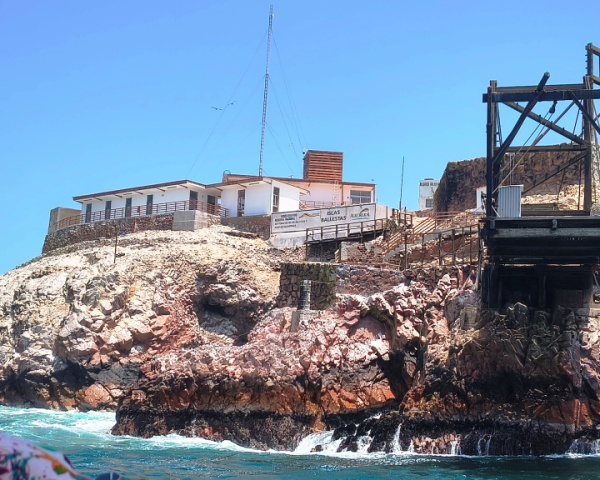
We woke up very early for our tour to Paracas. The Paracas National Reserve, located on the southern coast of Peru, is home to a stunning array of wildlife and breathtaking landscapes. One of the most thrilling ways to explore this natural wonder is by taking a speed boat tour of the nearby Ballestas Islands. Known for their rich biodiversity and dramatic scenery, these islands are often referred to as the “Galápagos of Peru”.

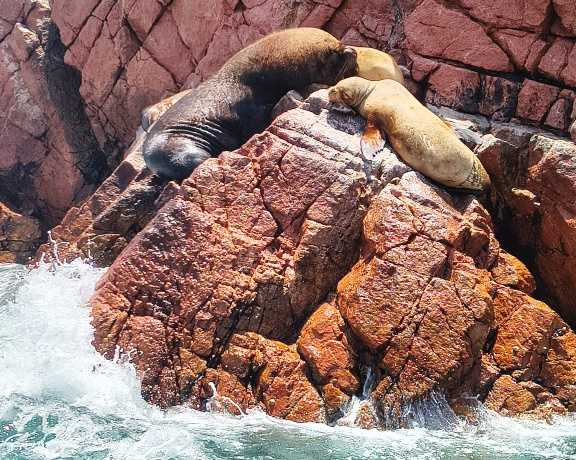
The Ballestas Islands are a haven for wildlife enthusiasts. As our speed boat approached the islands, we were greeted by the sight and sound of seabirds but also Humboldt penguins and sea lions.
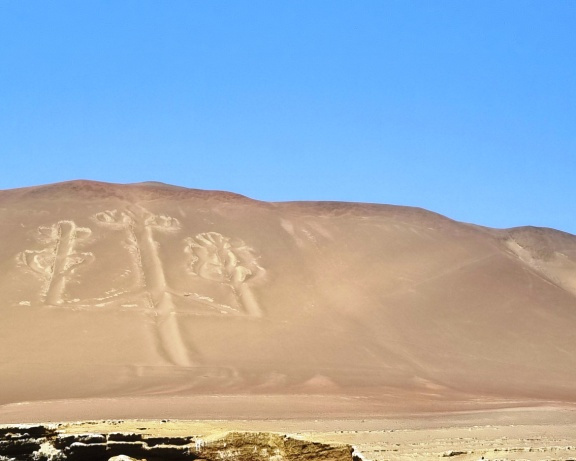
Apart from the wildlife, the islands themselves are a spectacle. The rugged, windswept rocks sculpted by the relentless forces of nature offer a dramatic backdrop to your journey. We saw the famous Candelabra geoglyph, a massive prehistoric carving etched into the hillside.

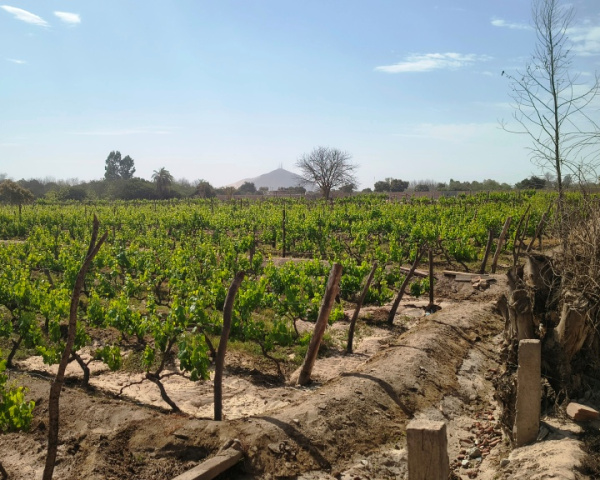
After Paracas, we went for lunch in a Pisco Farm, where we learned about the intricacies of Peru’s famed spirit, sampling its rich flavors and understanding its cultural significance.
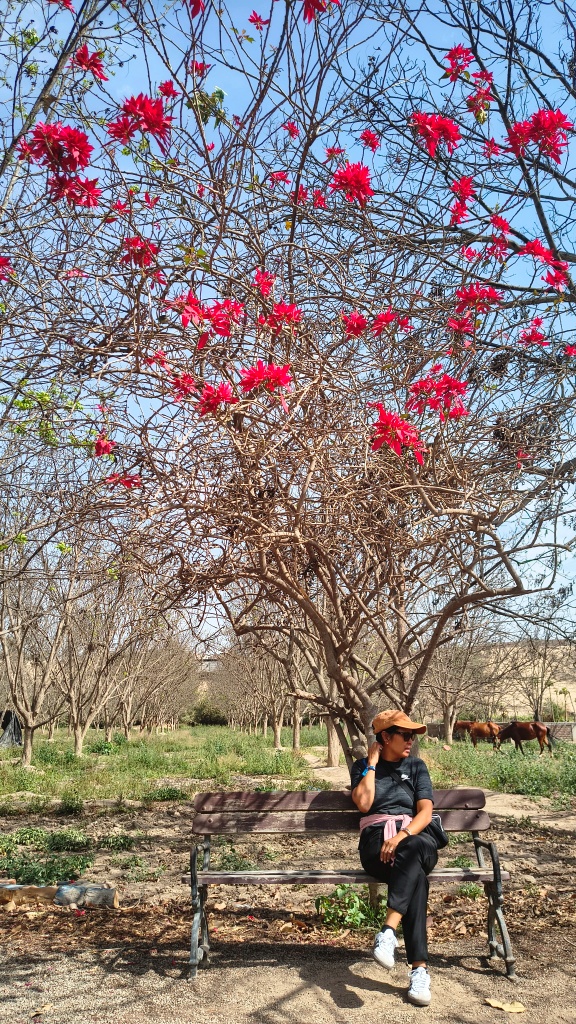
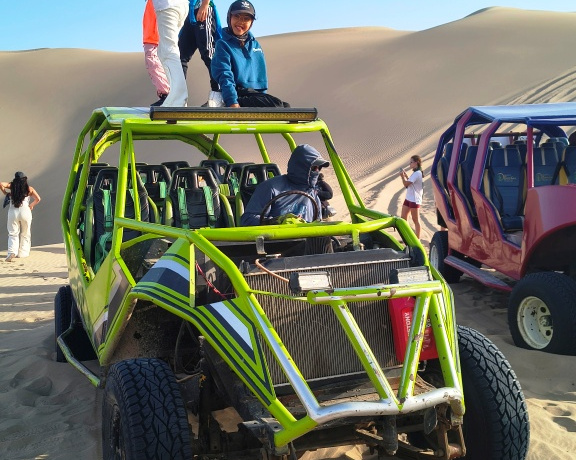
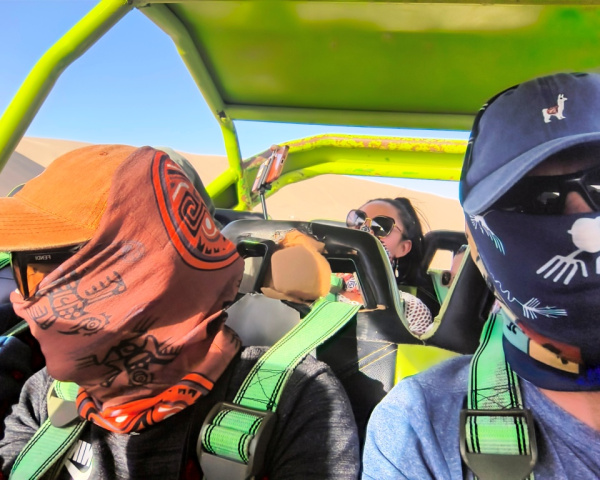
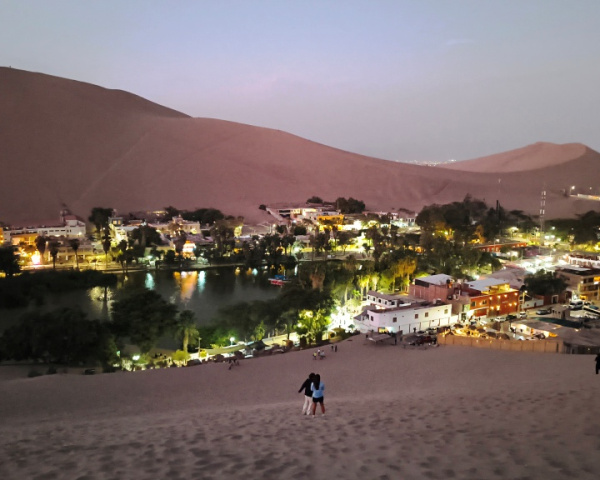
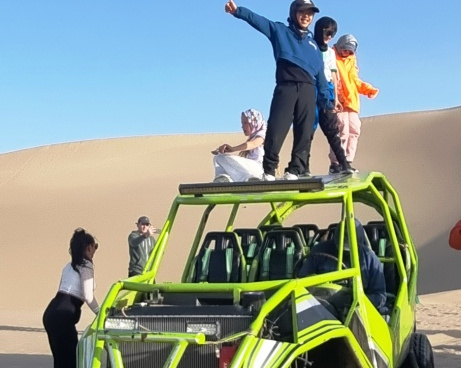
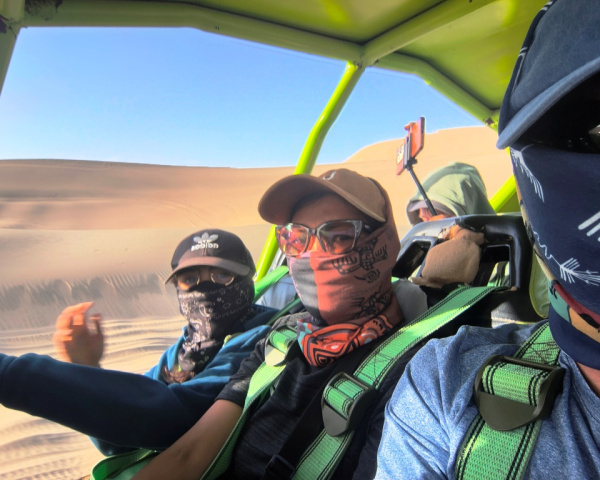
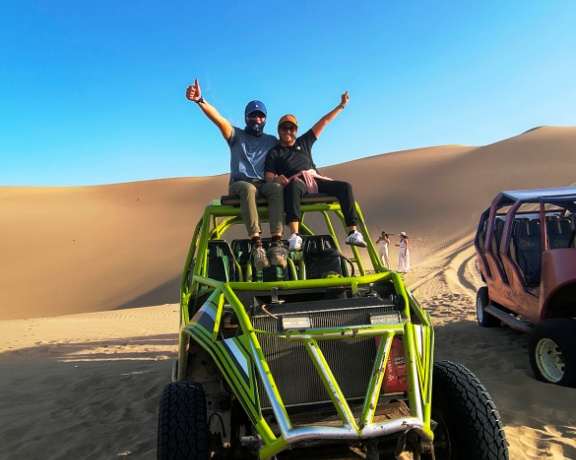
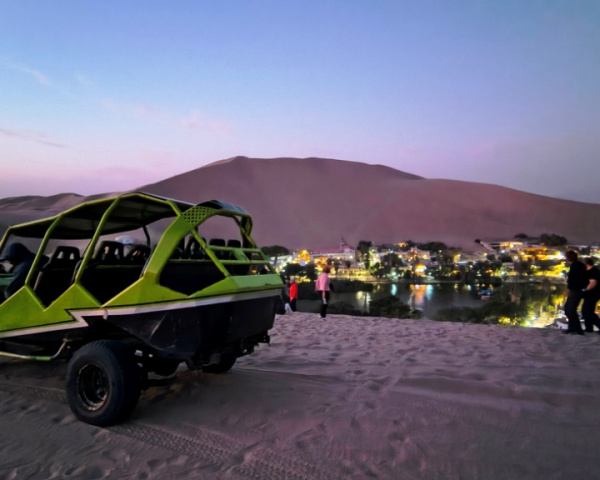
We then headed to the oasis of Huacachina. Surrounded by towering sand dunes, it was a surreal experience to witness this natural wonder, a serene escape in the midst of a desert landscape. One of the most exhilarating activities you can experience here is riding a dune buggy, locally known as the “diggy” ride. Dune buggies are custom-built vehicles designed to zoom across the desert’s sandy landscape. Riding one is an adrenaline-pumping experience that combines speed, skill, and stunning scenery. As you buckle up, prepare for a journey that will take you up and down the dunes, feeling the rush of wind and the thrill of the ride. We also had a great time sandboarding. The sensation of sliding down the dunes was amazing with the wind in our hair and the soft sand beneath our board that created a unique and thrilling experience.

In Huacachina, we definetely left our heart and my dad also in sunglasses, lost forever in one of the wonderful dunes.
Day 8: Exploring Lima
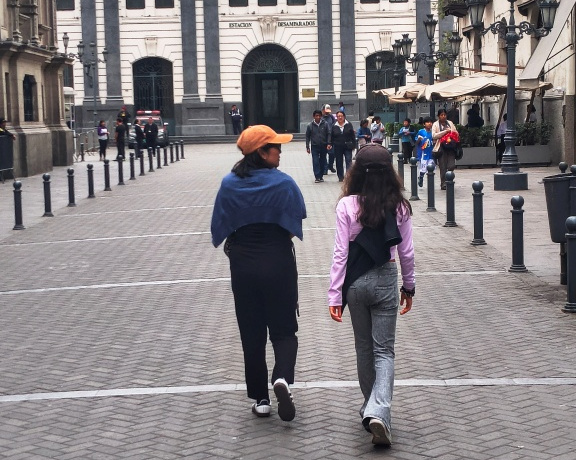
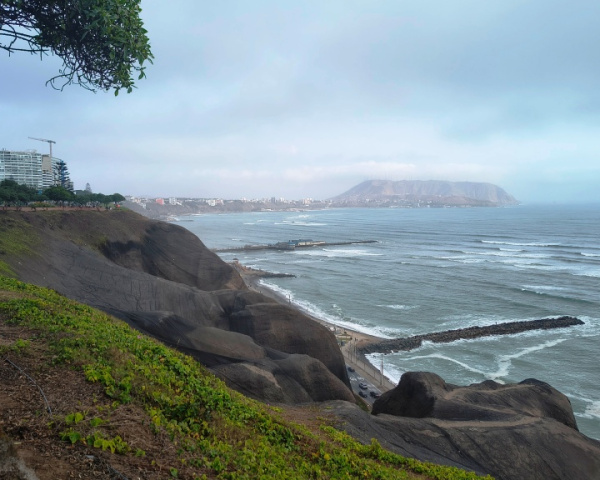
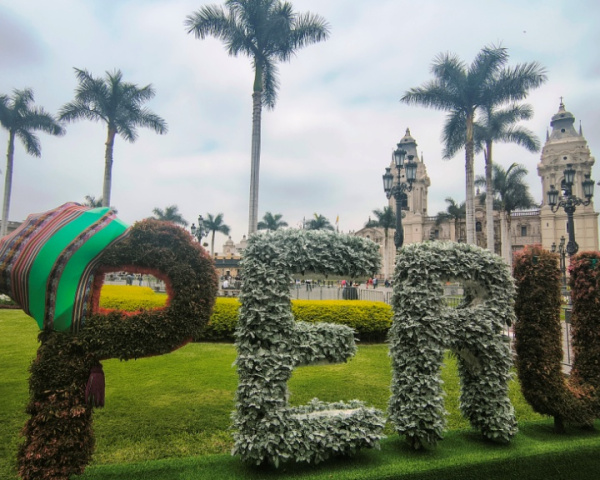
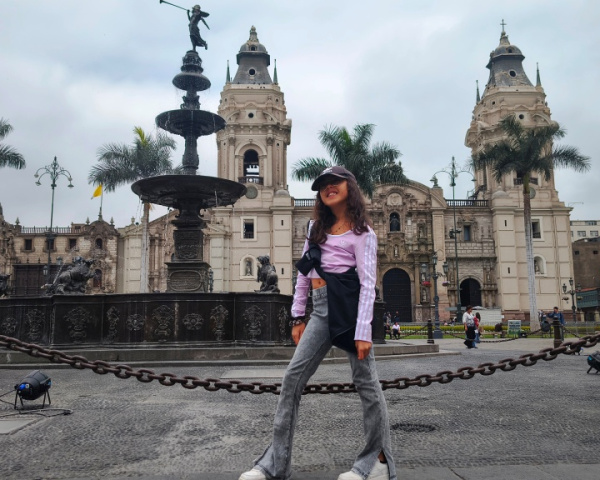
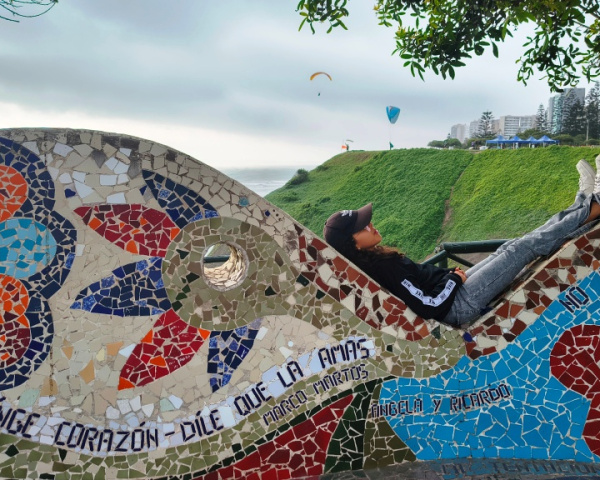
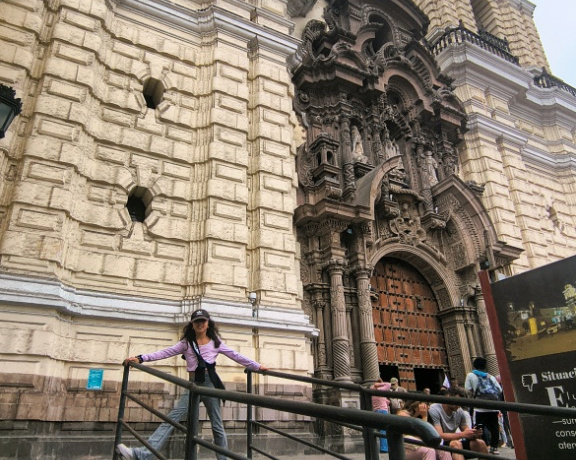
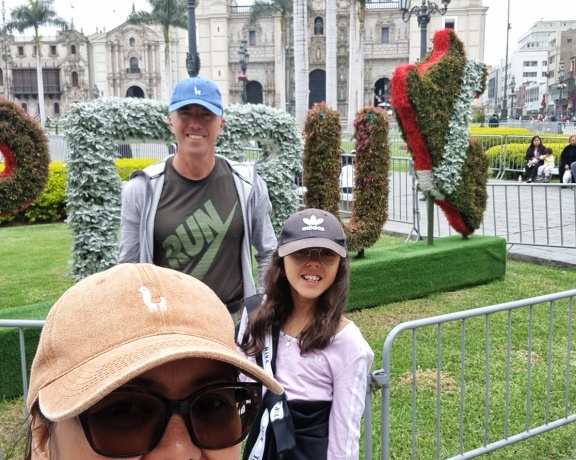
Our final full day in Peru was dedicated to discovering Lima’s old town and the vibrant district of Miraflores. Lima, with its colonial architecture and bustling streets, offered a perfect blend of history and modernity. We strolled through Plaza Mayor and the historic Convent of San Francisco.
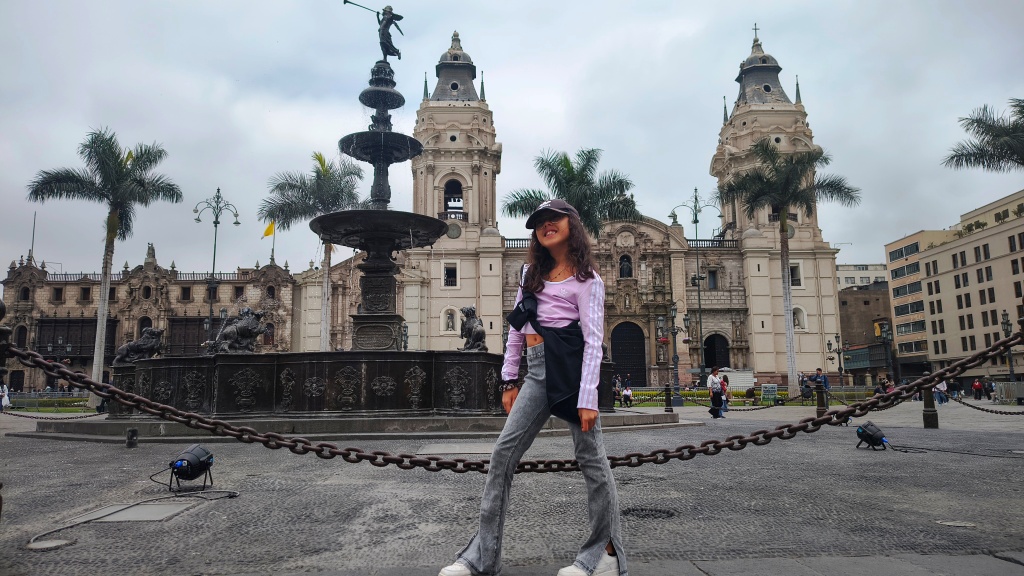
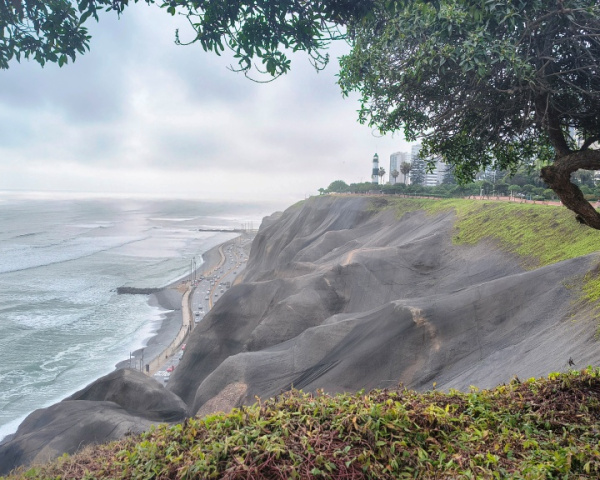
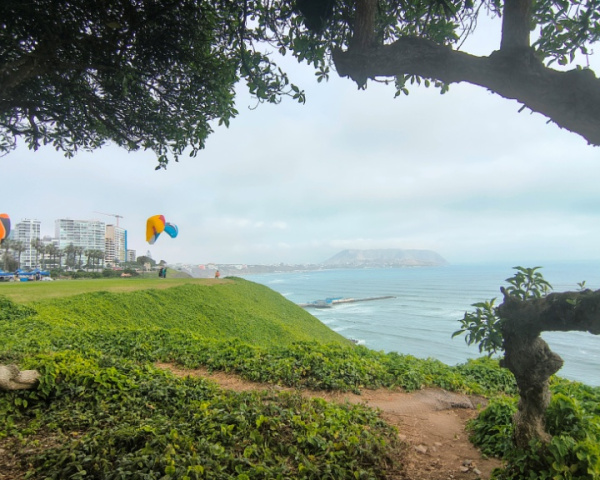
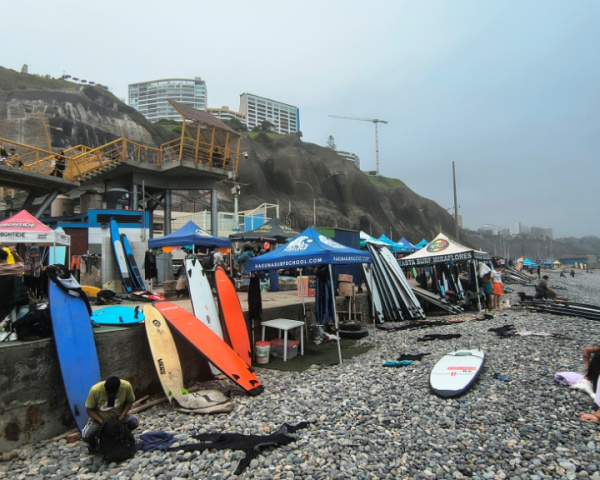
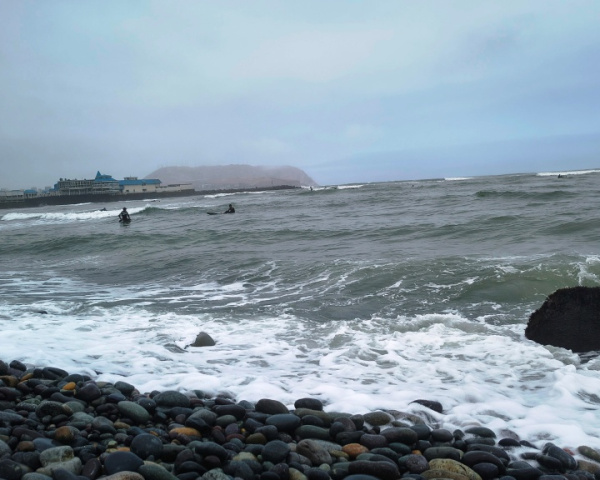
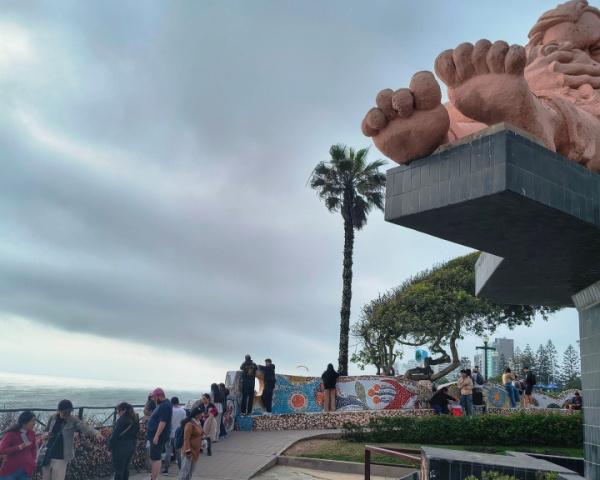
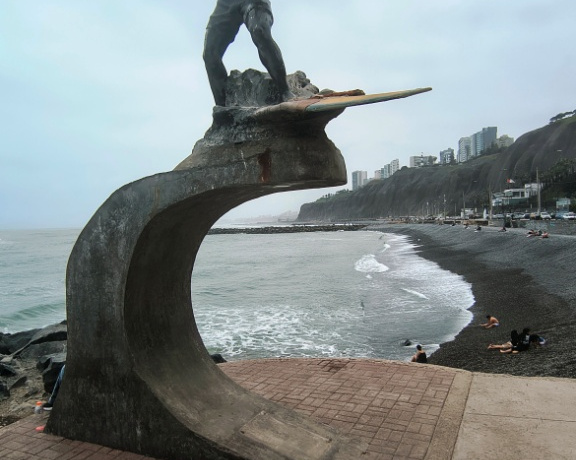
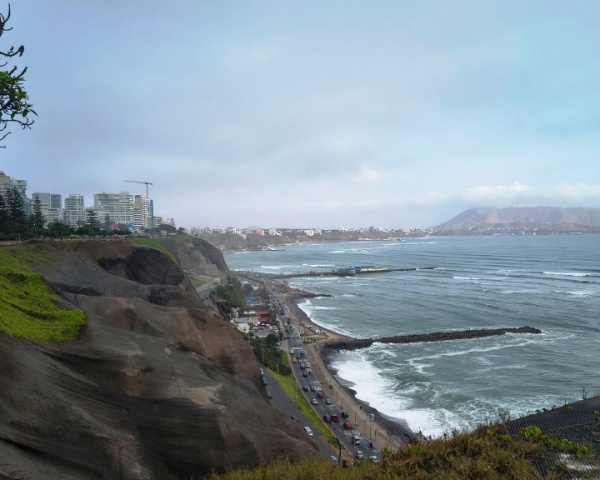
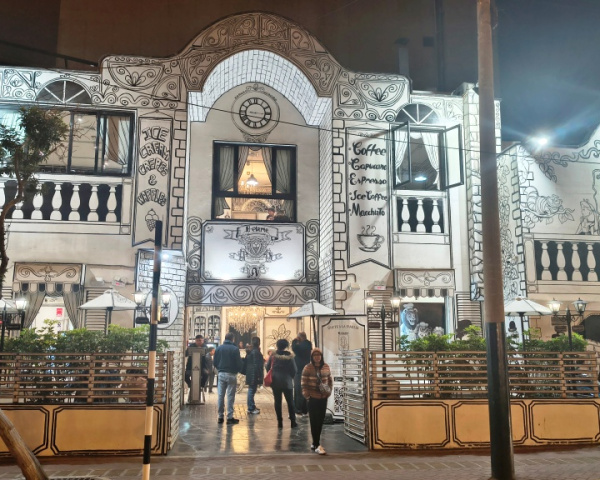
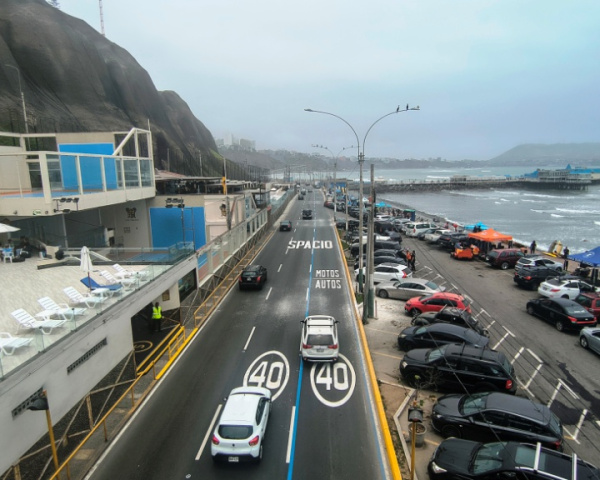
In the afternoon, we went to Miraflores. With its coastal views and trendy atmosphere, Miraflores provided a fitting end to our Peruvian adventure, a place where the ocean breeze carried stories of the city’s past and present.
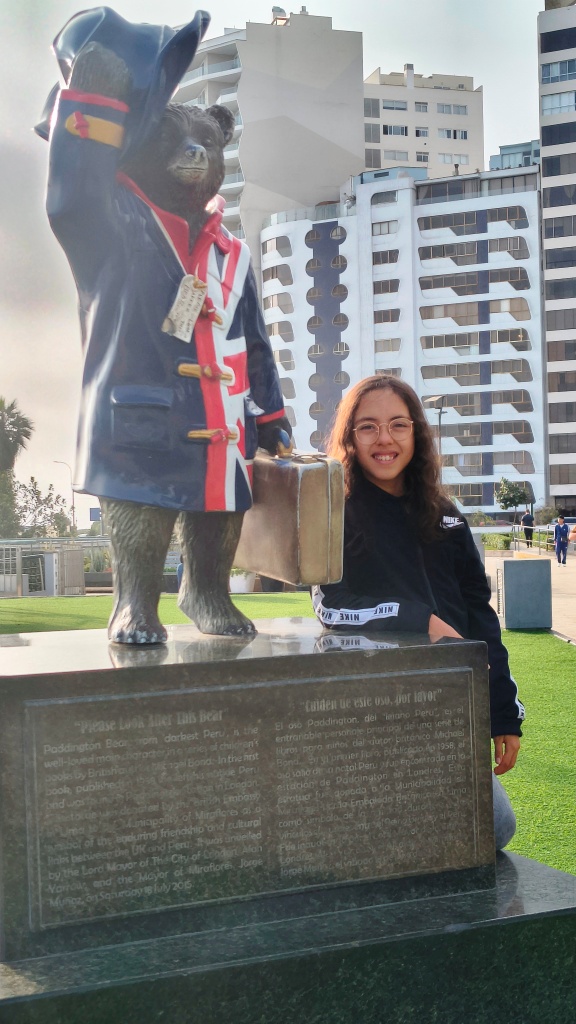
Day 9: Departure
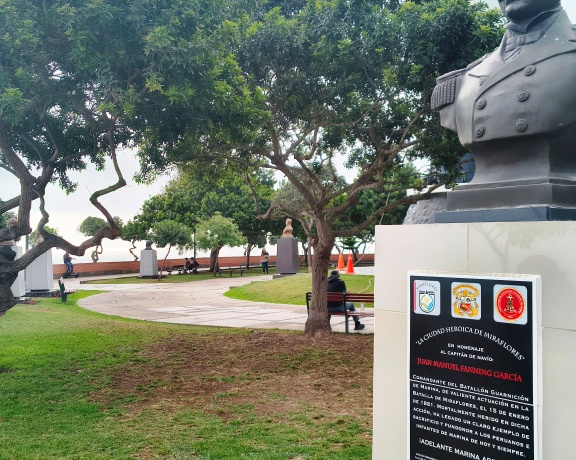
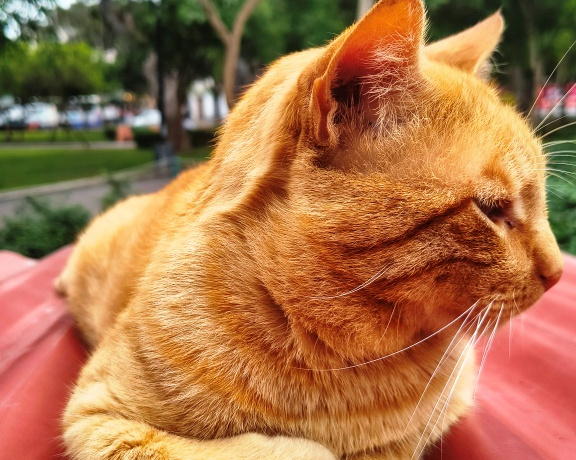
On our last day in Peru, we took one last walk through Miraflores, absorbing the lively ambiance and ocean breeze. Among its many attractions, the cats of Miraflores have captured our hearts. These felines have become an iconic part of the district’s charm, particularly in the picturesque Kennedy Park. It’s here that the cats of Miraflores have found a sanctuary. The park is home to dozens of stray cats, who freely roam the grounds, basking in the sun and interacting with visitors.

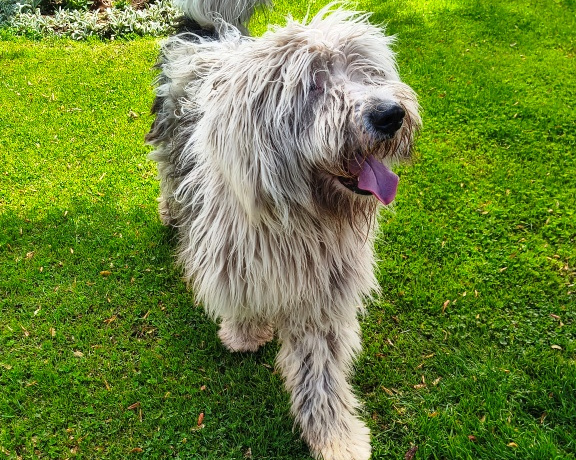
The presence of these cats in Kennedy Park isn’t a recent phenomenon. It is believed that the feline population began to grow in the 1980s. The cats were initially brought in to control the rodent population, but over time, their numbers increased, and they became a beloved feature of the park. But also dogs…

Epilogue
Every story has an end, even the most beautiful ones. So, that same evening, with our hearts full of memories, we boarded our flight home, leaving behind a land of incredible beauty and rich culture but taking with us stories that will last a lifetime. Peru had not just been a trip; it was a journey into the heart of a country that dances to the rhythm of its history and nature.



























Leave a reply