

With its incredibly diverse and surreal landscapes, ranging from the vast, mirror-like Salar de Uyuni salt flats and colored lagoons with flamingos (like Laguna Colorada) to the Amazon basin, snow-capped Andes, and the world’s highest navigable lake, vibrant indigenous cultures, charming colonial cities, and otherworldly experiences, Bolivia is going to take your breath away!
Why Bolivia?
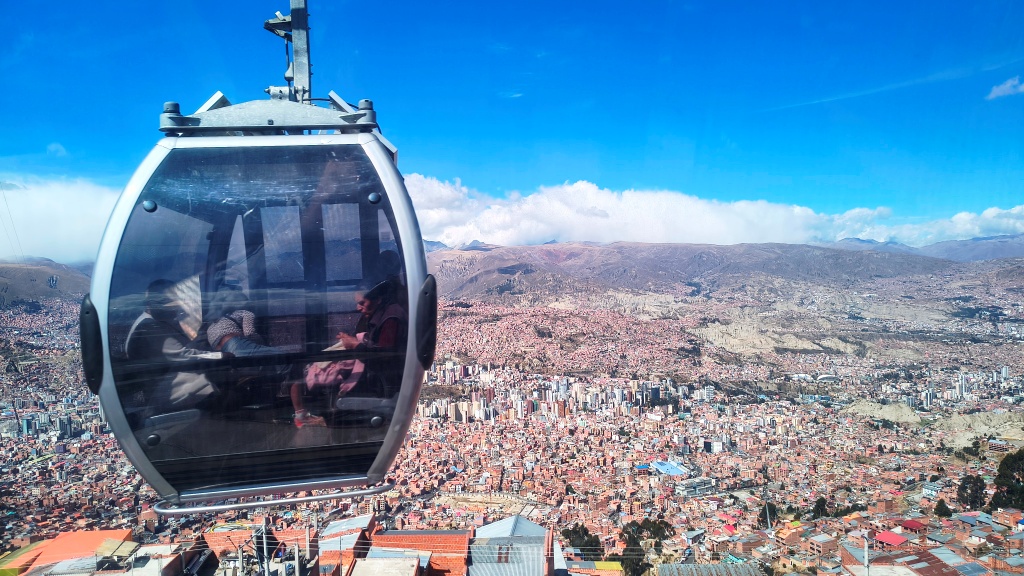
Bolivia is an often-overlooked gem nestled within South America. It offers travelers an unparalleled journey through a blend of rich culture, stunning landscapes, and affordable experiences. For those seeking adventure, Bolivia promises mesmerizing sights such as the Salar de Uyuni salt flats, challenging treks in the Andes, and exploration of the Amazon rainforest. Unique experiences like the Mi Teleférico cable cars in La Paz and vibrant indigenous traditions further enhance its allure. While visitors may encounter challenges such as high altitude, potential protests, and less-developed infrastructure, Bolivia provides a less-crowded, authentic experience for the truly adventurous traveler.
Discovering Bolivia
Day 1: Arrival in La Paz
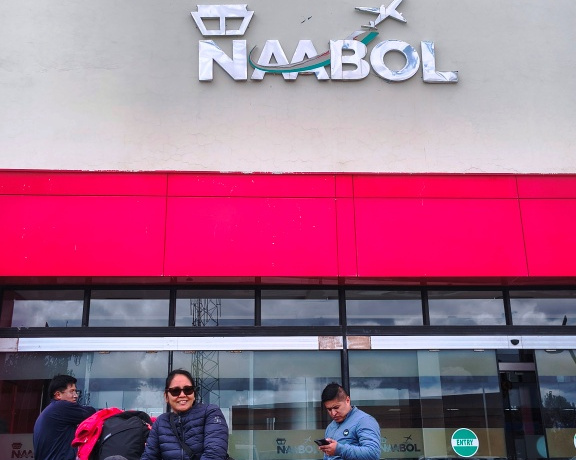
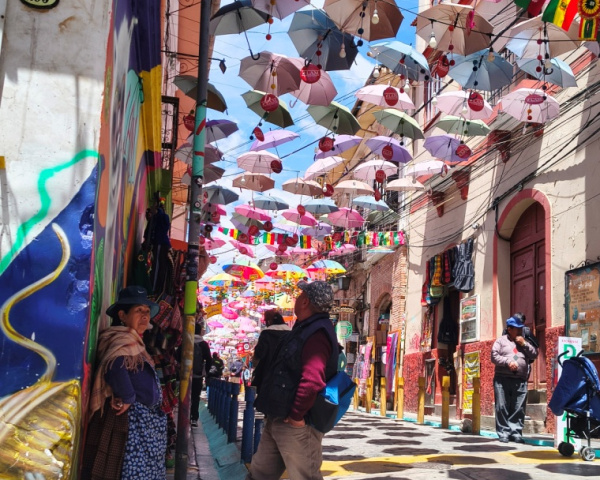
Touching down in La Paz under a clear, breathless night sky, we were immediately struck by thealtitude. At over 3,600 meters above sea level, La Paz is an incredible maze of streets etched into the Andes. From El Alto Airport, the sprawling red-brick landscape of the city looked both overwhelming and hypnotic, as if defying gravity. The air was thin, and each breath felt like an accomplishment, setting the stage for an exhilarating adventure ahead.
Day 2: Exploring the City
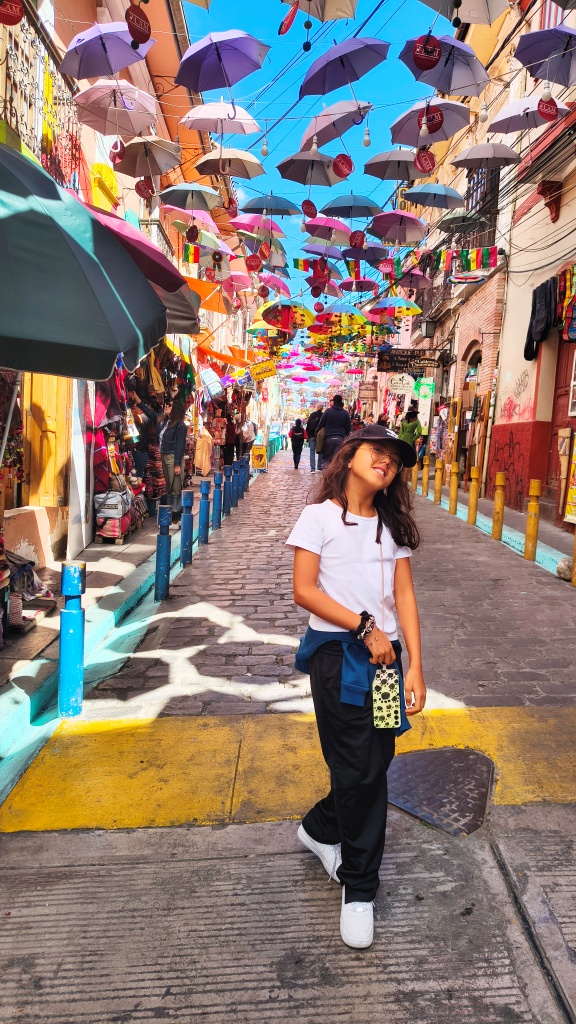
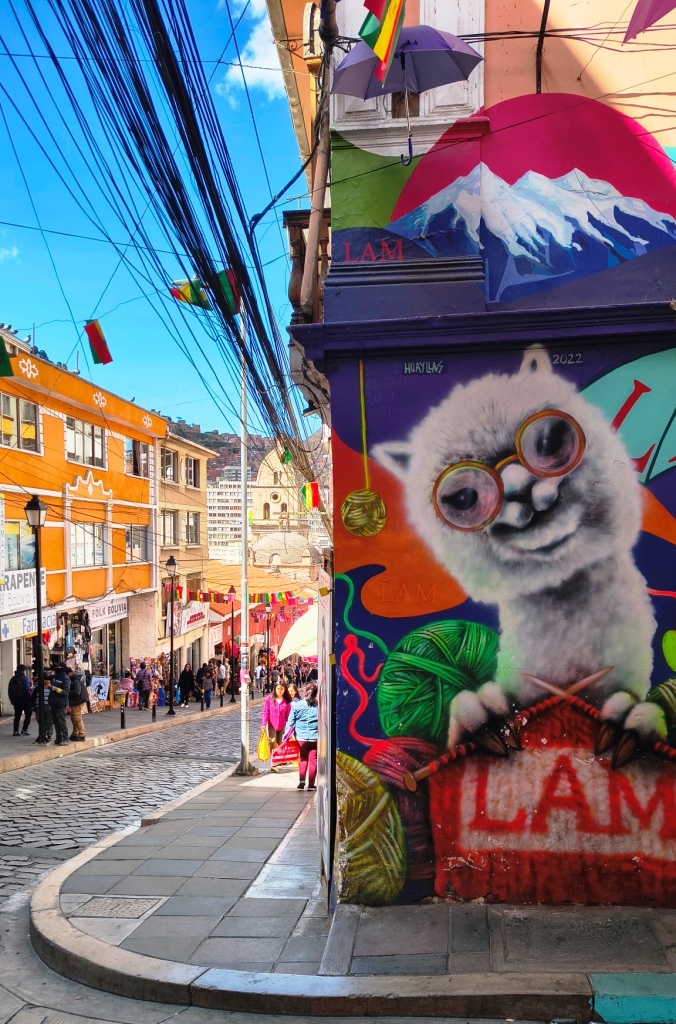
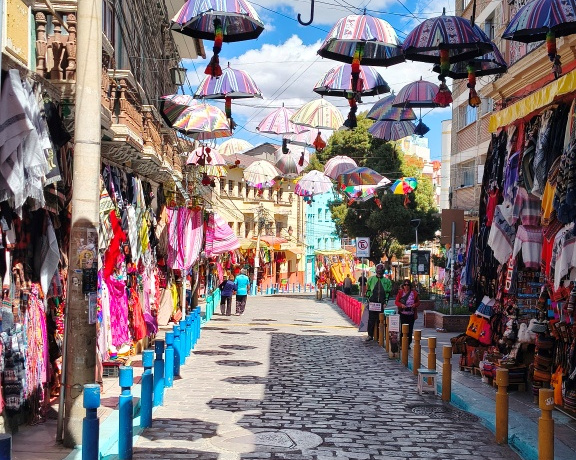
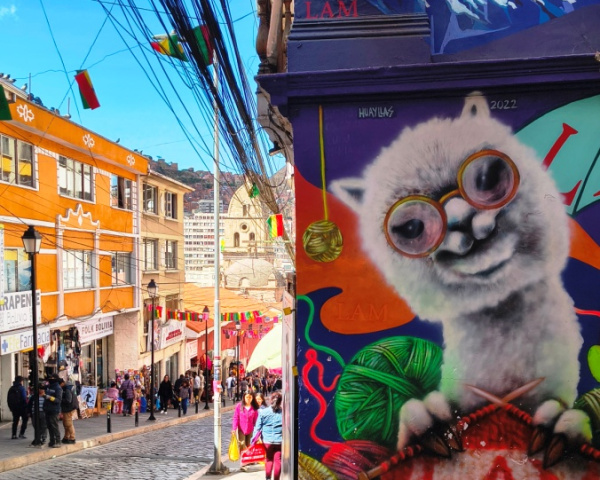
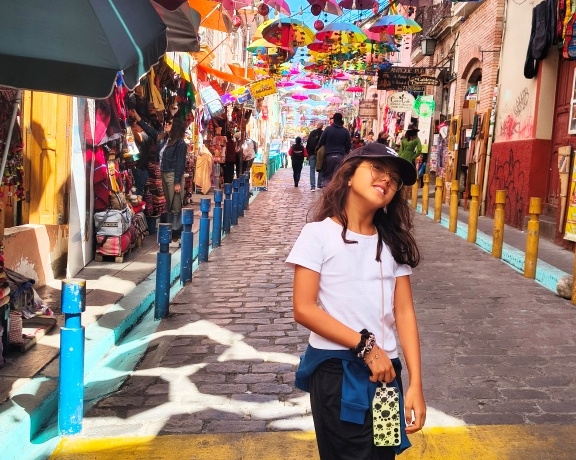
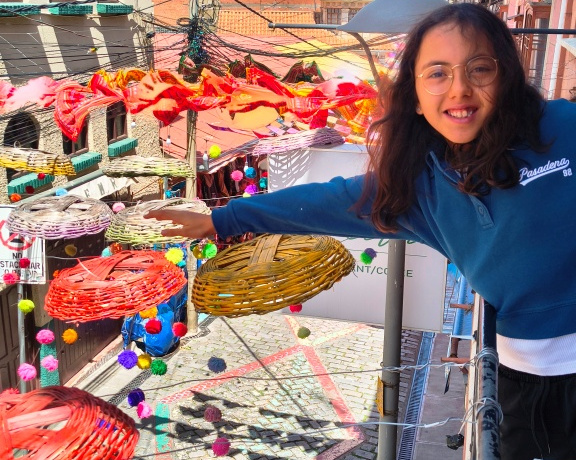
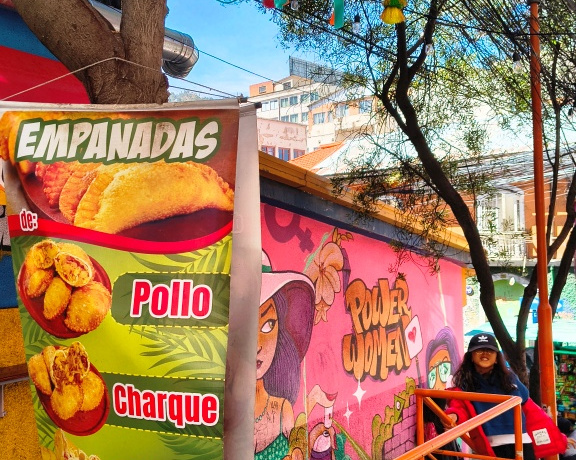
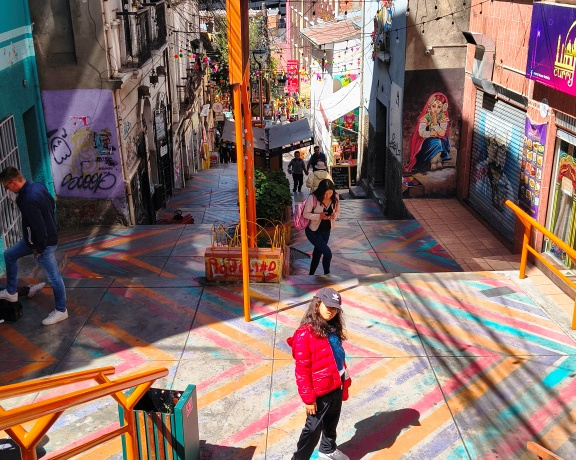
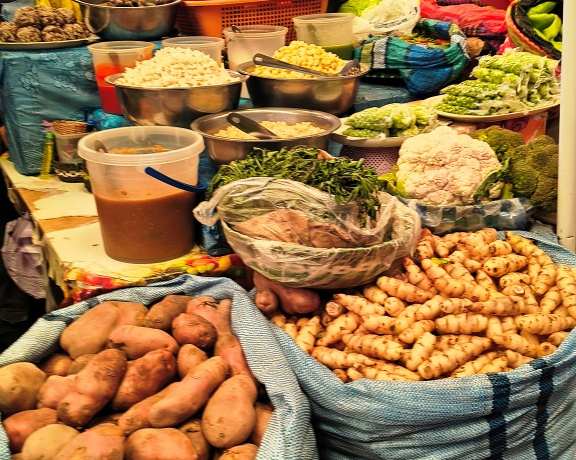
Our adventure began with a self-guided city tour, weaving through witches’ markets where dried llama fetuses hung beside love charms and herbal remedies. The vibrant colors and eclectic mix of items were fascinating yet slightly unsettling. We explored colonial churches and admired political murals across the city’s alley walls. This was just the start of an unforgettable journey, albeit not as we had imagined. Unfortunately, my mother fell ill, initially suspected to be altitude sickness. However, a doctor later diagnosed her with Salmonella. She became bedridden, her breath shallow, eyes closed more often than open, adding an unexpected turn to our travels.
Day 3: Recovery and Journey to Uyuni
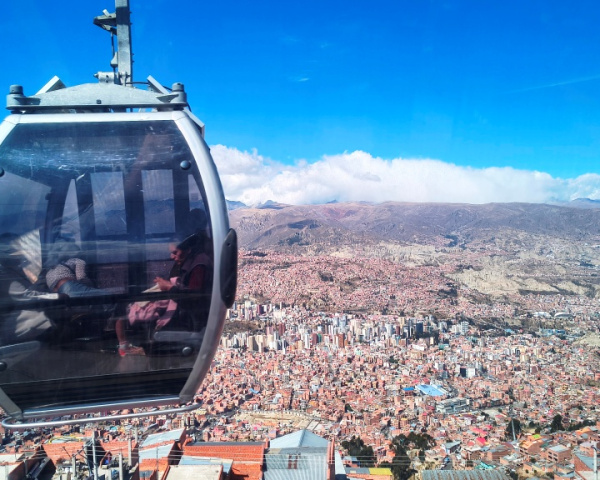
Thankfully, the medicine worked wonders, and soon my mother could feel much better. With newfound determination, she took a short city visit, enjoying a ride on the cable cars. “Mi Teleférico,” a unique public transportation cable car system that connects the city with neighboring El Alto. Established in 2014, it revolutionized mobility, offering an economical and scenic way to traverse challenging terrain. The views were breathtaking, and it was exhilarating to glide above the city, taking in the sprawling landscape below.
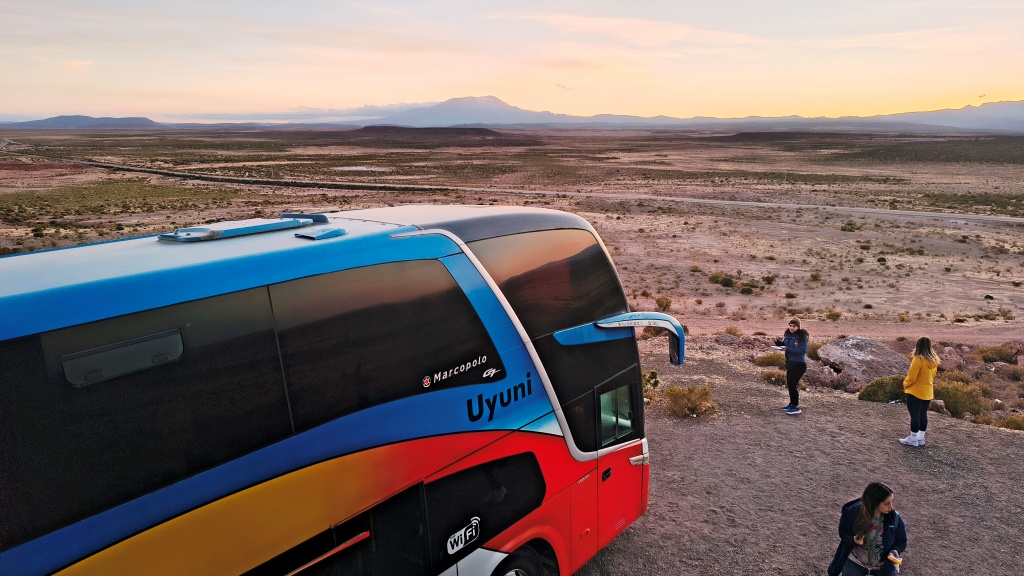
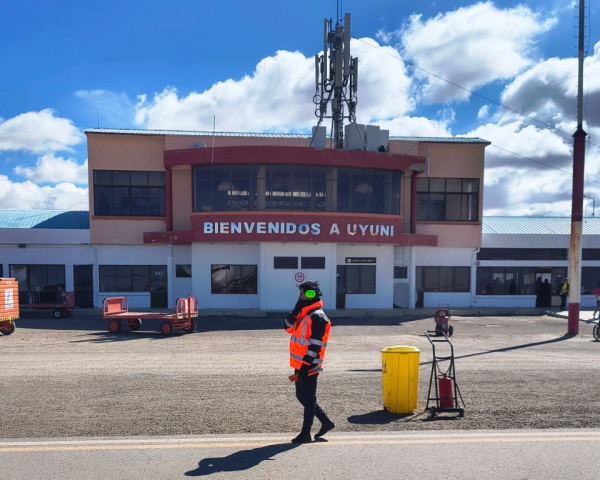
After two days in the capital, we boarded the Todo Turismo night bus to Uyuni. As morning broke across the high plains, we arrived in Uyuni. We met Roger, our guide from Desert Adventure Travel. We checked into Casa de Sal, a hotel made entirely of salt, offering great service and delicious food, conveniently located near the town center.
Day 4: The Salar de Uyuni
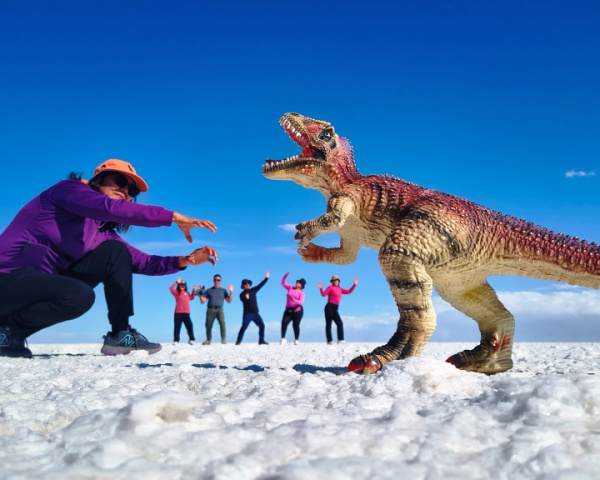
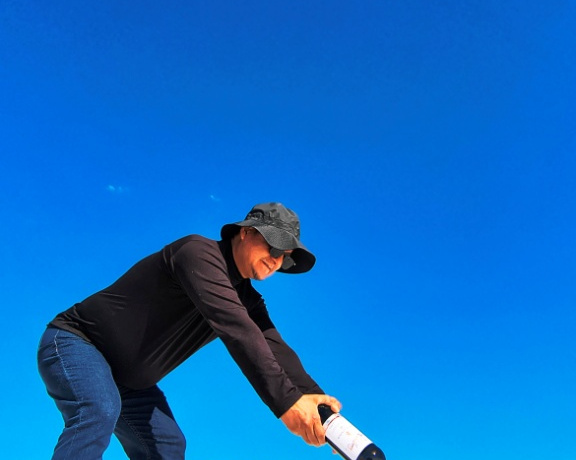
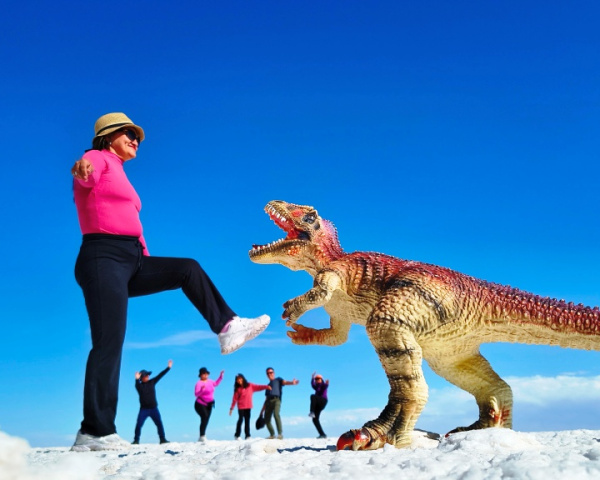
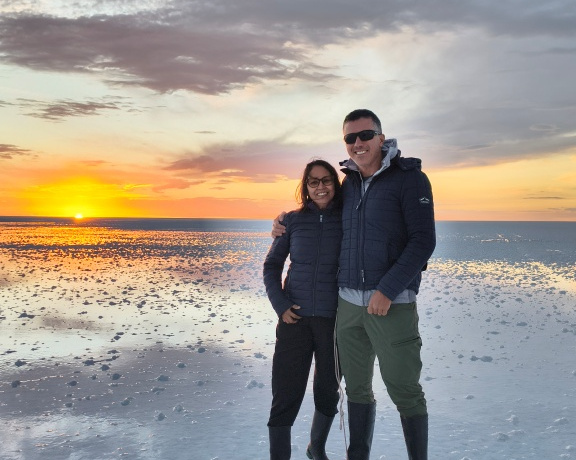
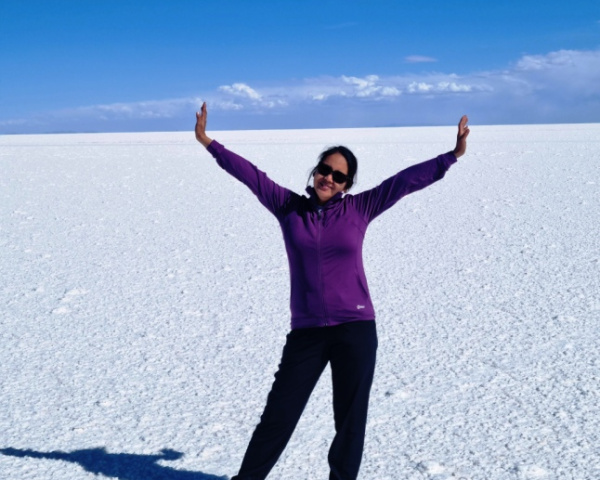
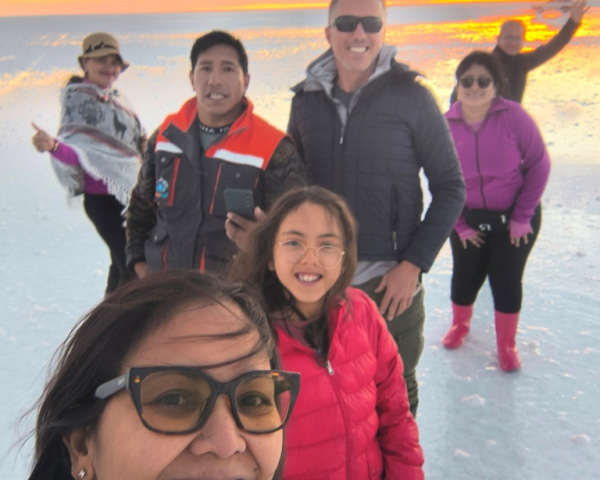
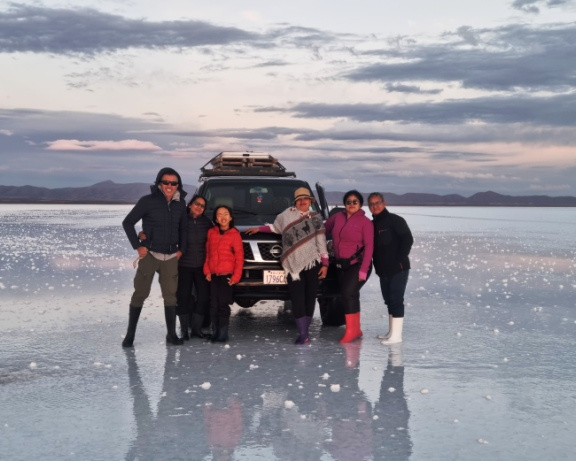
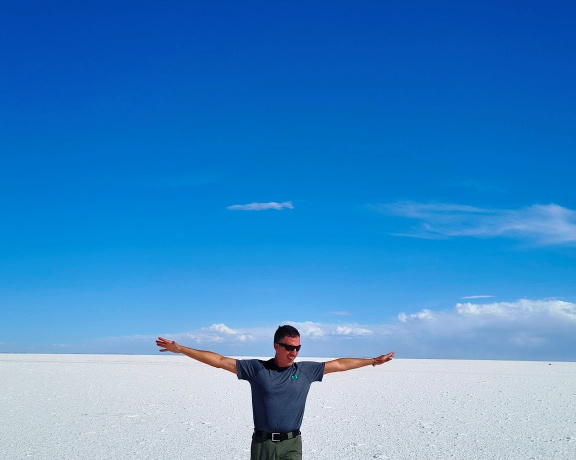
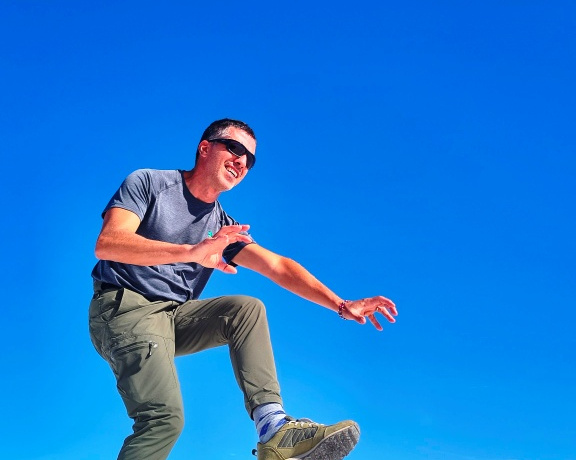
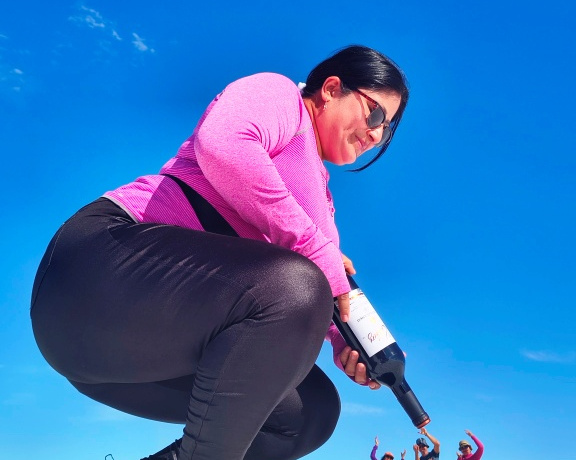
Our first day took us to the Salar de Uyuni, the world’s largest salt flat. Spanning as far as the eye could see, it resembled an infinite mirror of salt and sky. We walked across its blinding white crust, took playful photos bending perspective, and sat in silence as the sun dipped low, turning the horizon into a golden canvas. The surreal beauty was unlike anything I had ever experienced.
Salar de Uyuni spans over 10,000 square kilometers. This natural wonder was formed as a result of transformations between several prehistoric lakes. During the dry season, the salt flats appear as a vast, white desert, while the rainy season transforms them into a vast mirror, reflecting the sky in a spectacular display. Opting for a Spanish-speaking tour, we found it to be a fantastic choice, as Roger exceeded expectations with his knowledge and enthusiasm, despite our limited Spanish skills. His insights brought the landscape to life, enriching our understanding and appreciation of this natural wonder.
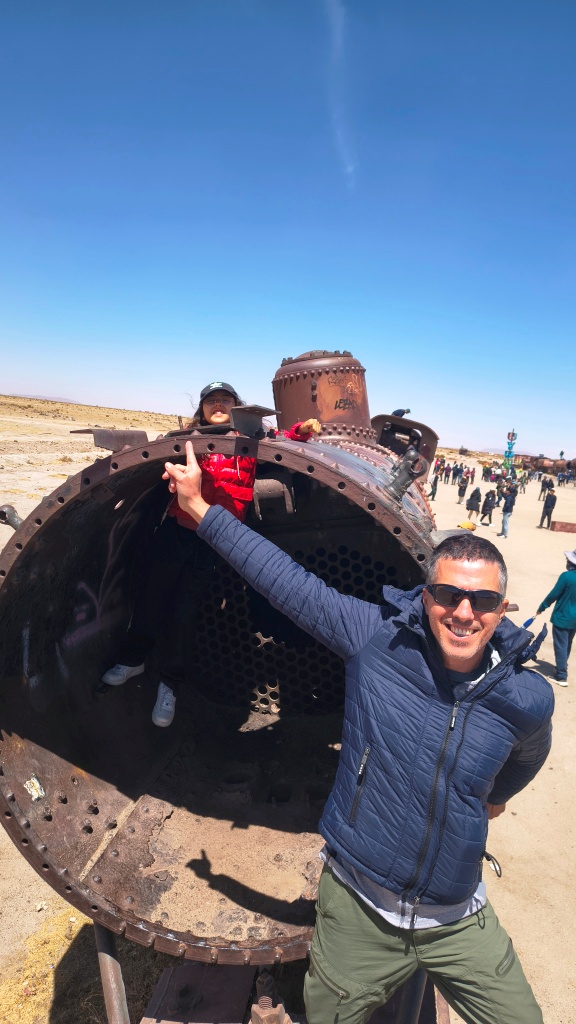
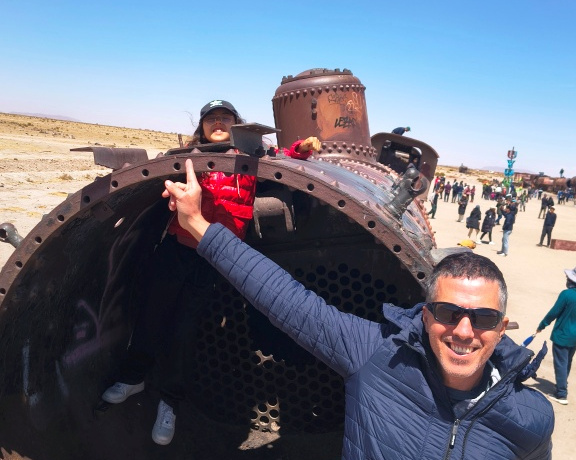
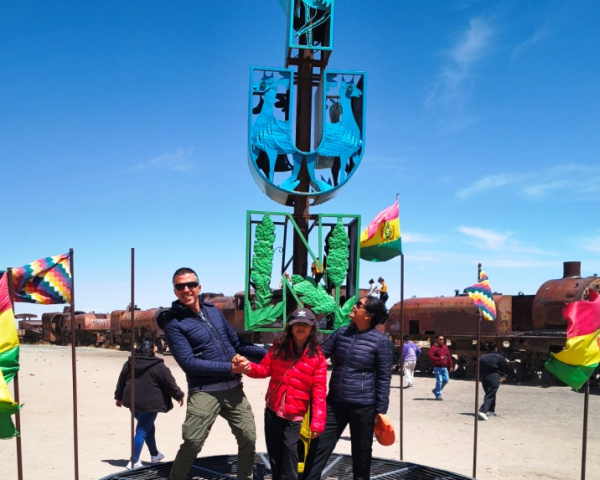
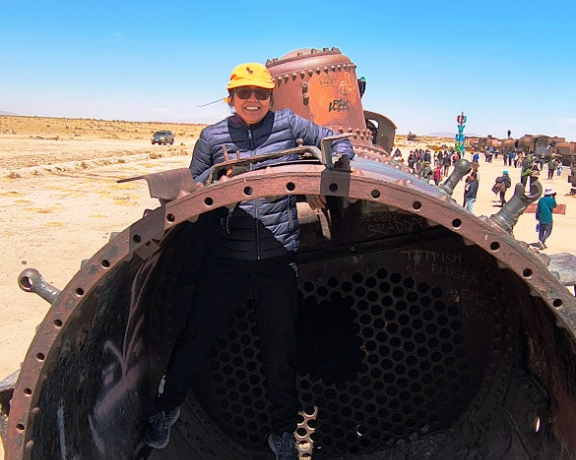
We started with a visit the Cementerio de Trenes (Train Cemetery). This site, which dates back to the 1830s, is a testament to the age of steam locomotives. These rusting giants once played a pivotal role in Bolivia’s industrial development. We then moved to Colchani, a small village renowned for its vibrant artisan crafts.

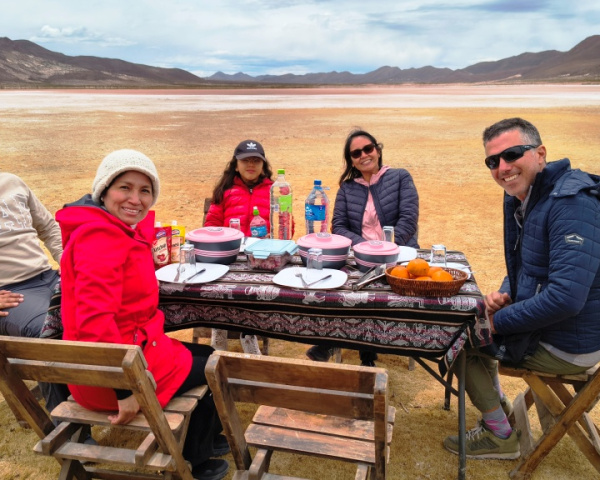
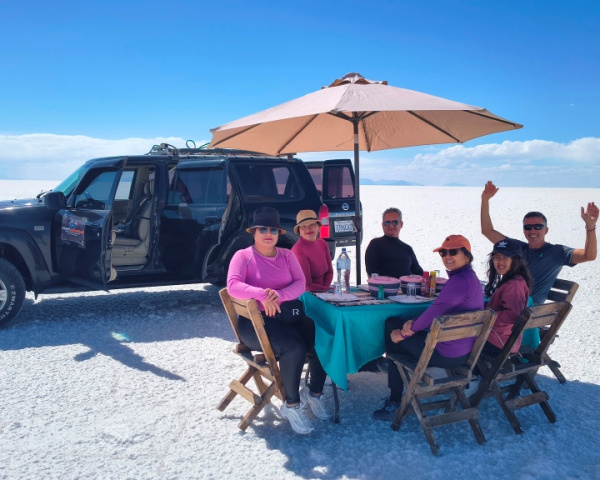
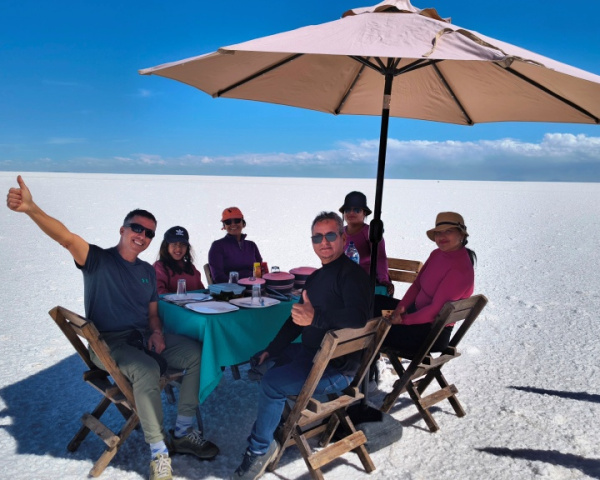
We then had lunch in the middle of Salar de Uyuni. There’s something undeniably magical about having lunch in the middle of the Salar de Uyuni. This surreal landscape, with its seemingly endless white plains, offers a truly unique experience that transcends the ordinary. In fact, our lunch was set up right in the heart of this otherworldly landscape. A simple table and chairs were arranged on the salt crust, surrounded by nothing but open sky and the vast, flat terrain. The air was crisp, and the sheer silence was only interrupted by the gentle breeze that occasionally swept across the flats. The horizon seemed to blur into the sky, offering a sense of boundless freedom and tranquility.
This extraordinary setting made our meal not just about food, but about savoring the moment and the beauty surrounding us.
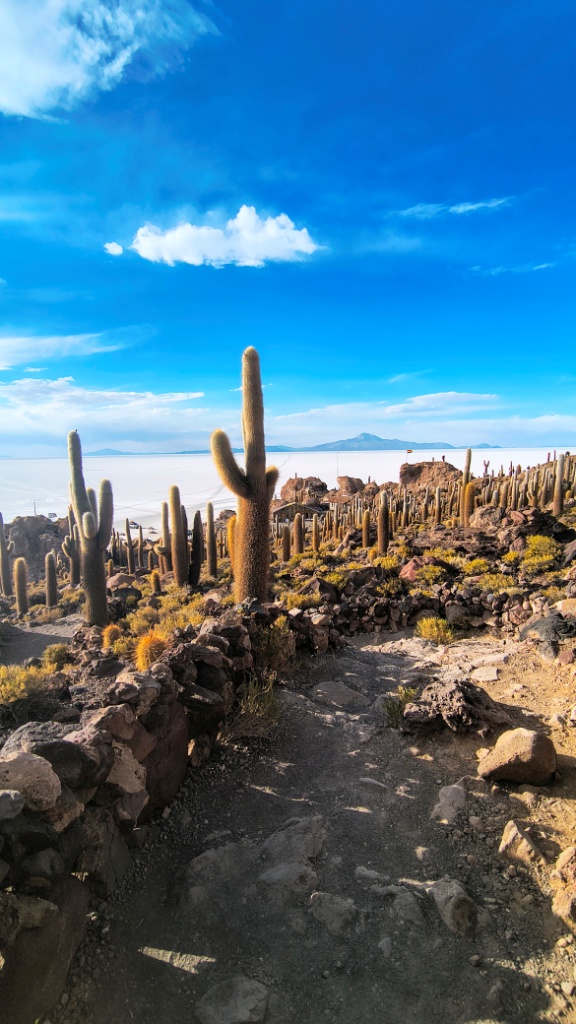
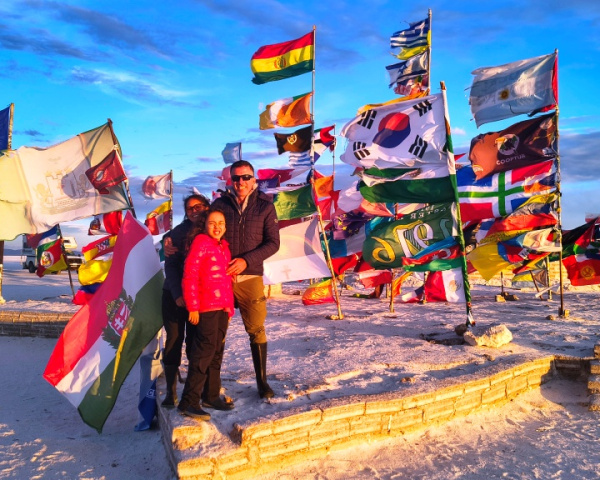
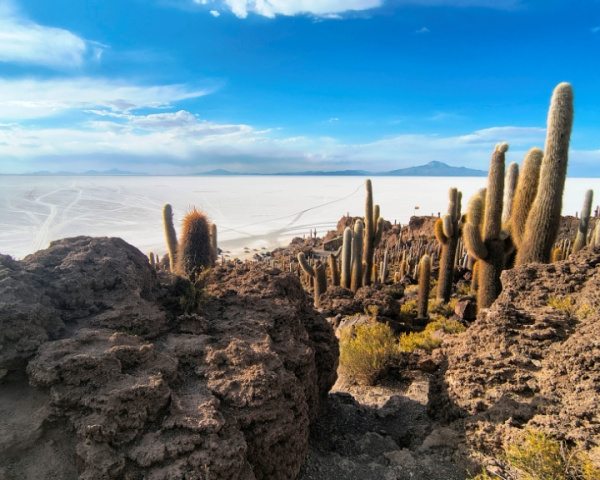
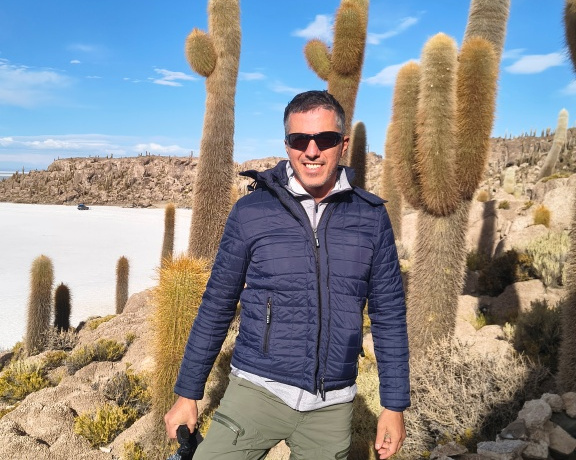
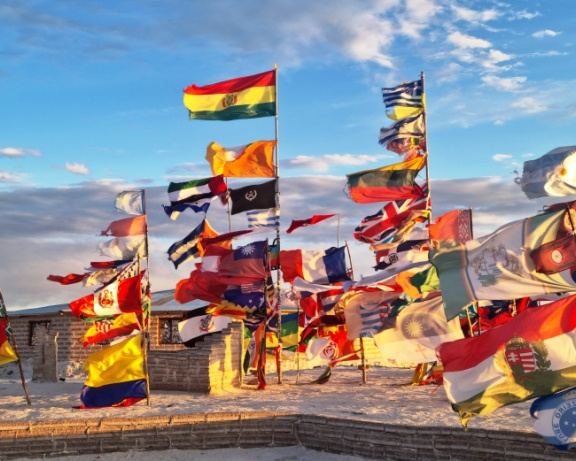
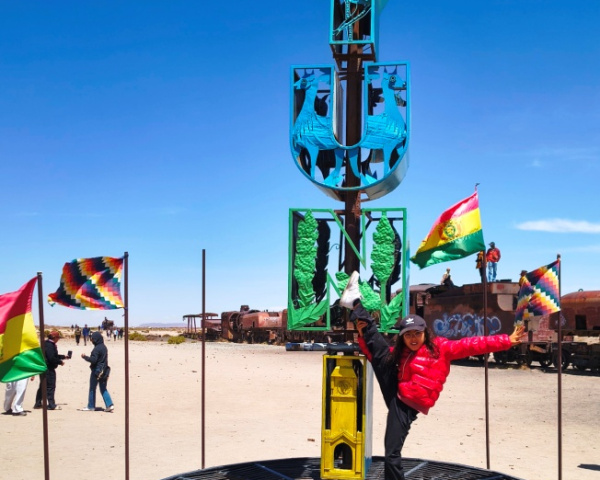
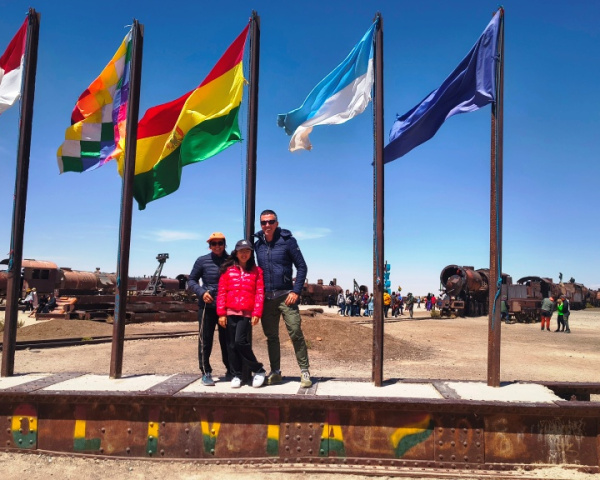
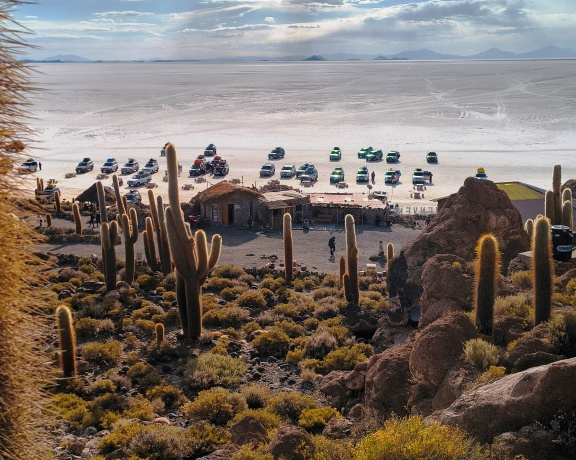
After lunch, we visited the Incahuasi Island, also known as Isla del Pescado, located in the heart of the salt flats. This rocky outcrop, covered in ancient cacti, rises dramatically from the flat expanse reaching heights of up to 10 meters, offering a striking contrast to the surrounding landscape. The island is a remnant of an ancient volcano, and its volcanic rock base is covered with fossilized algae and coral. After visiting the Island, we went to the Plaza de las Banderas, a symbolic site is often adorned with the flags of various nations, representing unity and diversity. It’s a testament to Bolivia’s
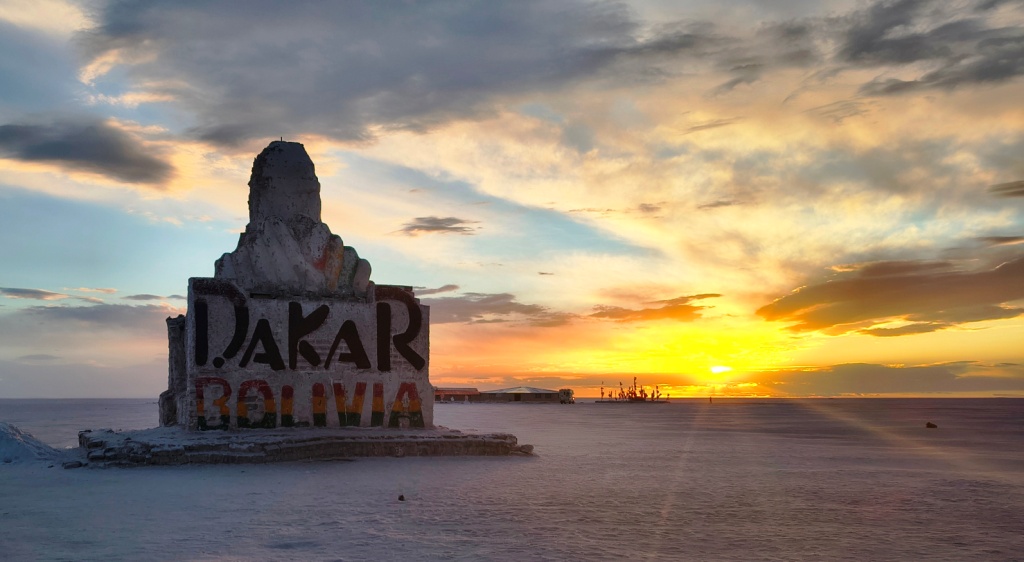
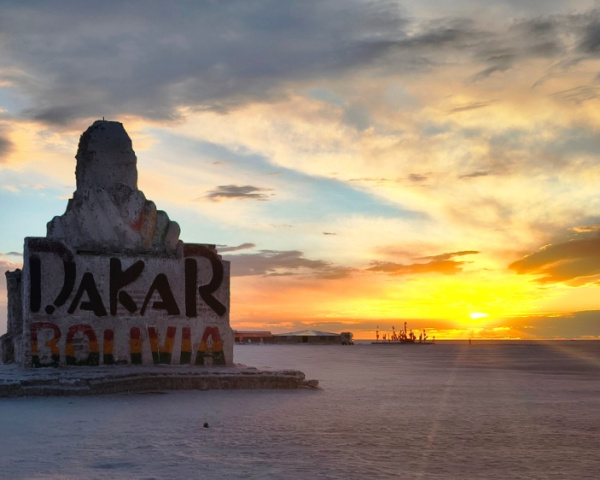
inclusive spirit and a reminder of the interconnectedness of people around the world. Next to the Plaza, there is the Monumento del Rally Dakar that celebrates the thrilling and challenging Dakar Rally.
No visit to Bolivia is complete without witnessing the breathtaking sunset at the Salar de Uyuni. As the largest salt flat in the world, the Salar transforms into a natural mirror, reflecting the sky in stunning detail. As the sun sets, the horizon blurs into a surreal canvas of colors, offering a visual spectacle that defies description.
Day 5: The Colorful Lagoons
The next day, Roger guided us to stunning lagoons of surreal colors. Our first stop was Pulacayo, a historic mining town that played a pivotal role in Bolivia’s mining industry. Pulacayo is home to the second-largest silver mine in the world and offers a glimpse into the lives of miners and the mining practices of the past.
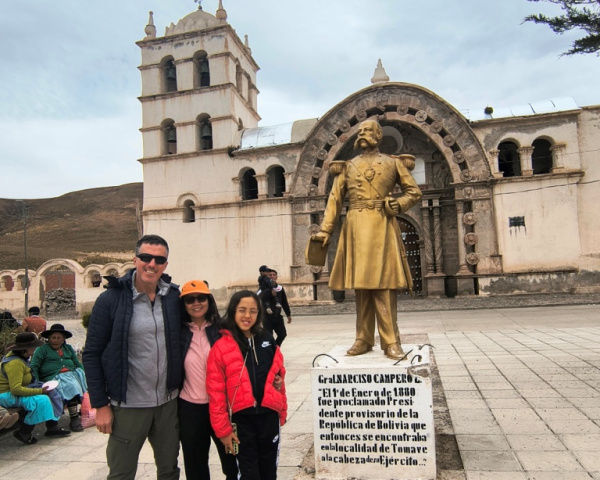
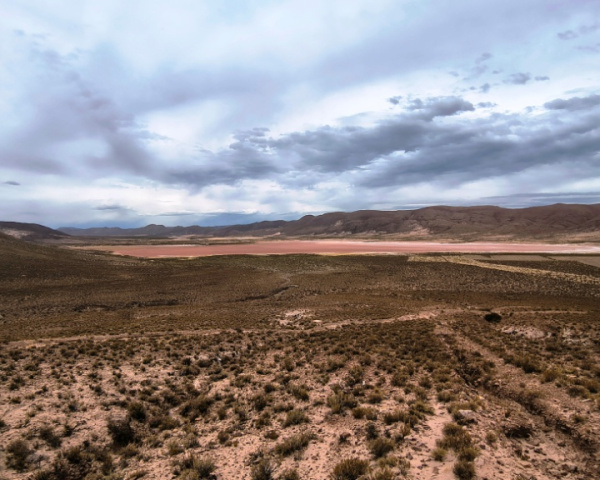
After Pulacayo, we drove to the vibrant Pampa Colorada, renowned for its striking red lagoon. Next, we explored the Valle de Rocas, a remarkable geological formation shaped over millennia by ancient water currents. We then visited the Iglesia Colonial Tomave, a beautiful example of colonial architecture that stands as a testament to Bolivia’s rich cultural and historical heritage. Our journey continued to the serene Laguna Kota Vinto, a haven for bird watchers. The lagoon is home to a variety of bird species, providing a perfect opportunity to observe these creatures in their natural habitat.
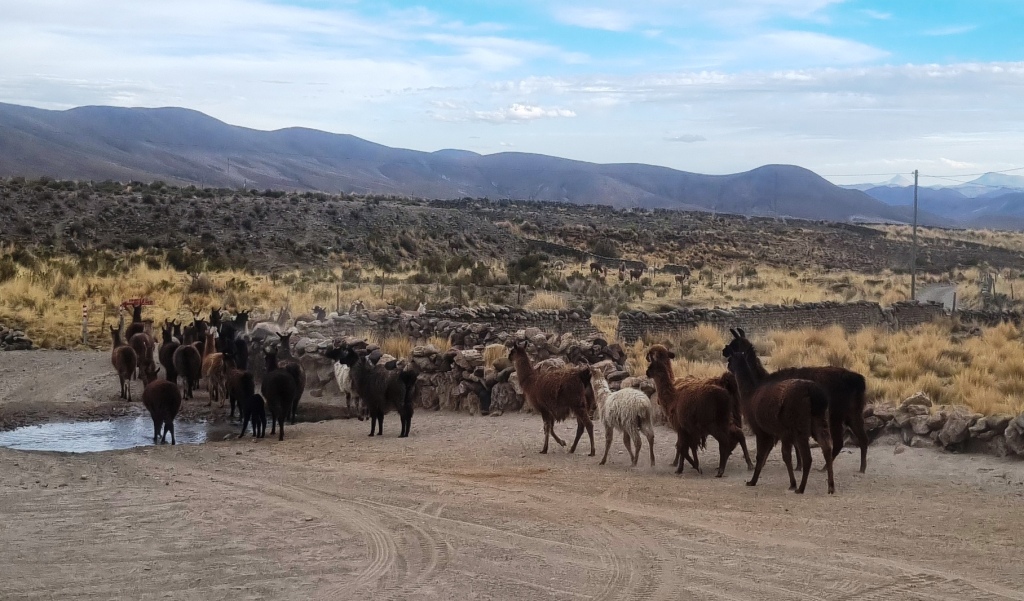
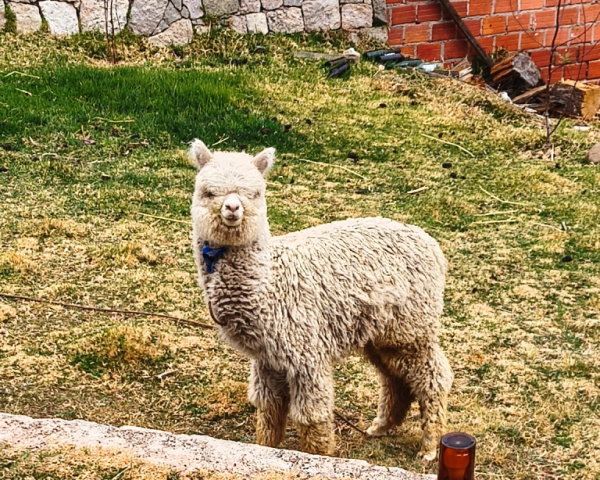
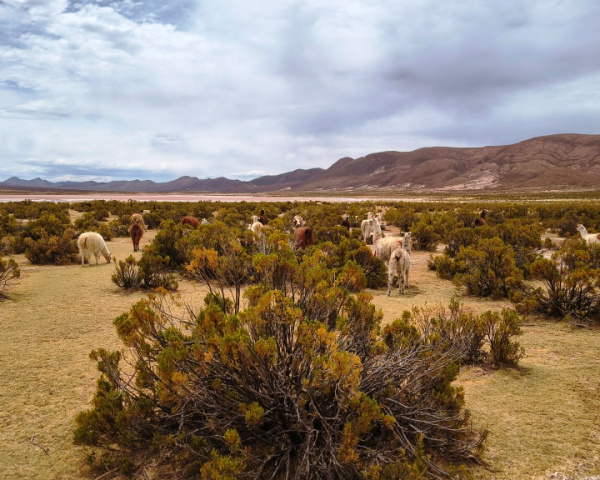
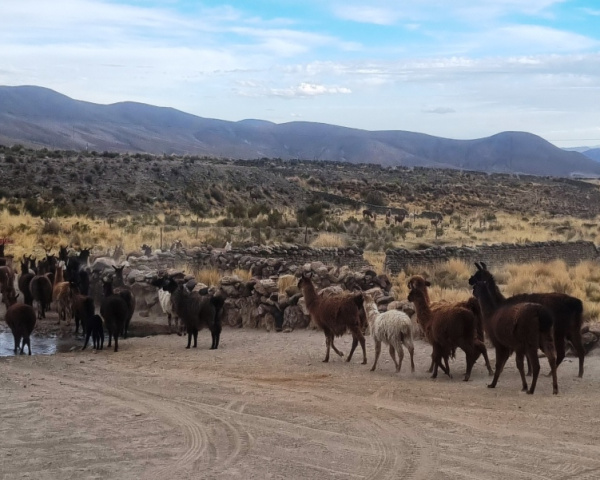
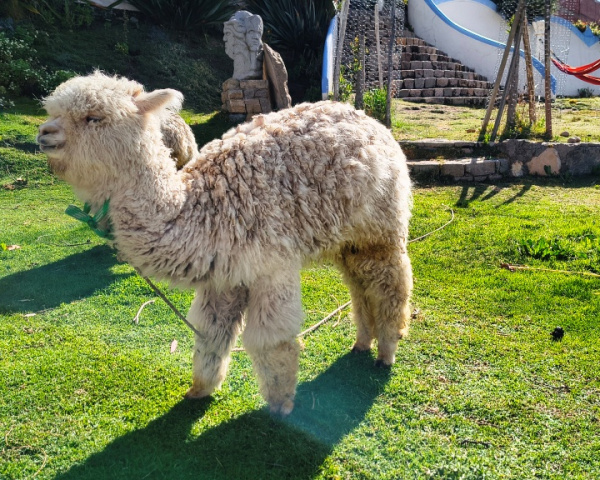
We also indulged in the soothing Aguas Termales de Kanqui, known for its natural hot springs and historical stone mill. The warm waters are perfect for relaxation, and the site offers insights into the area’s historical use of water resources. We were enchanted by the Vegal de Vicuñas y Llamas, where we observed these graceful animals grazing in their natural environment. The sight of vicuñas and llamas roaming freely is truly a highlight of any visit.
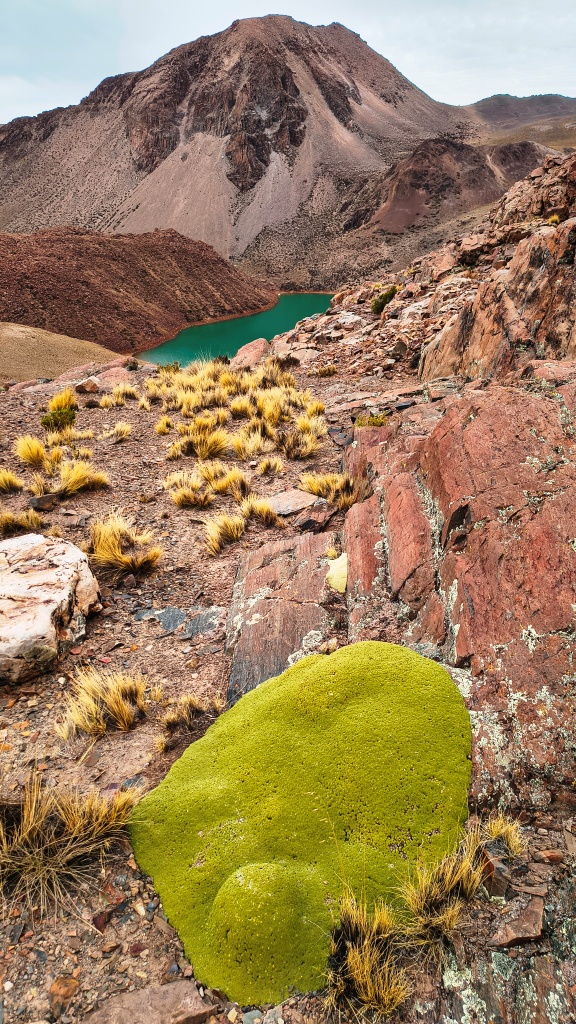
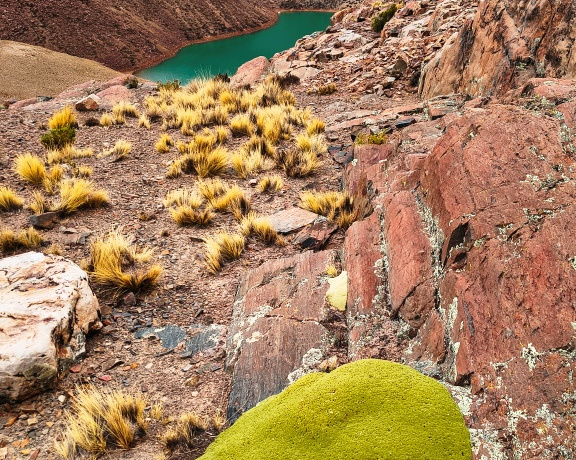
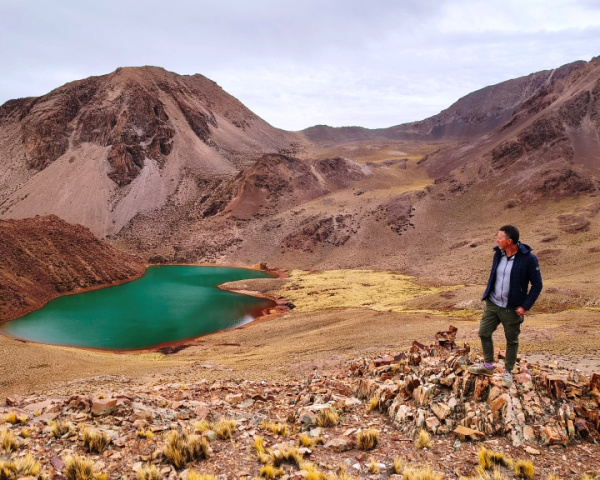
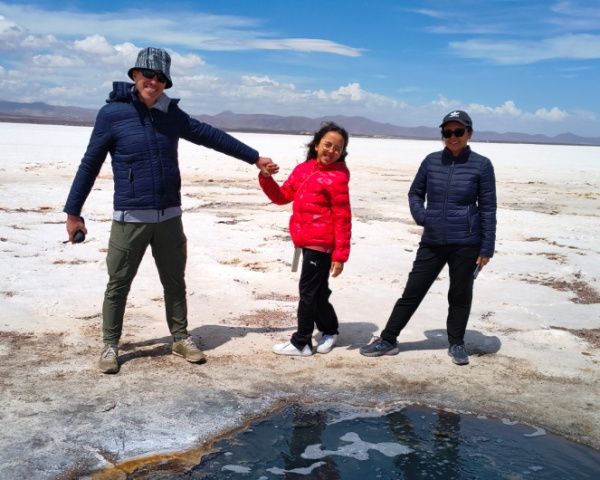
Finally, we visited Laguna Orko Kasilla, another stunning green lagoon that captivates visitors with its beauty and tranquility. The area’s pristine environment and clear waters make it an ideal location for reflection and relaxation.
Day 6: Copacabana and Lake Titicaca
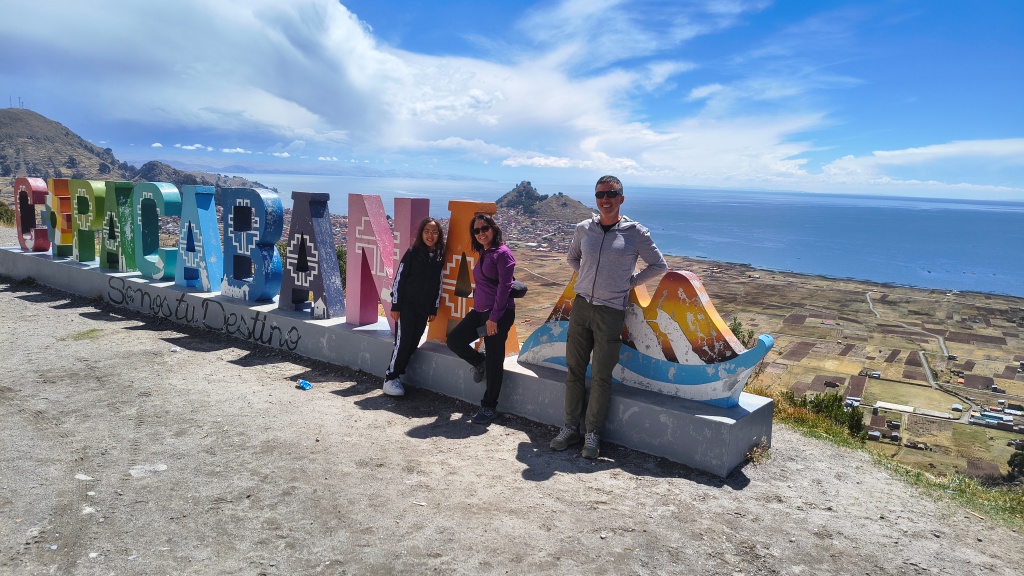
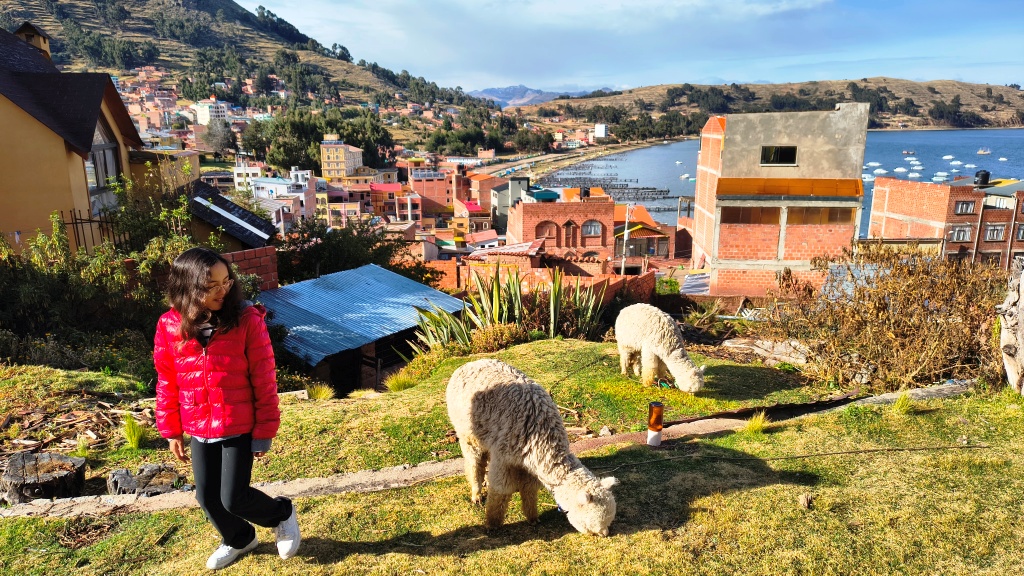
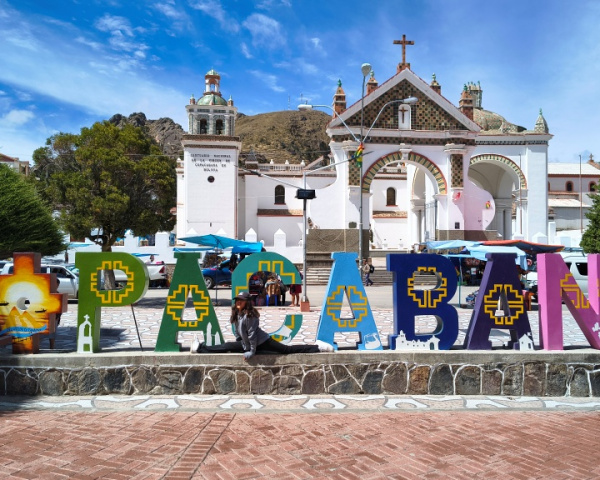
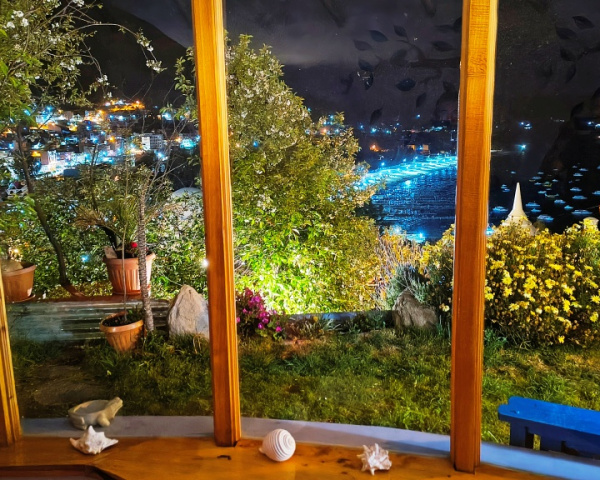
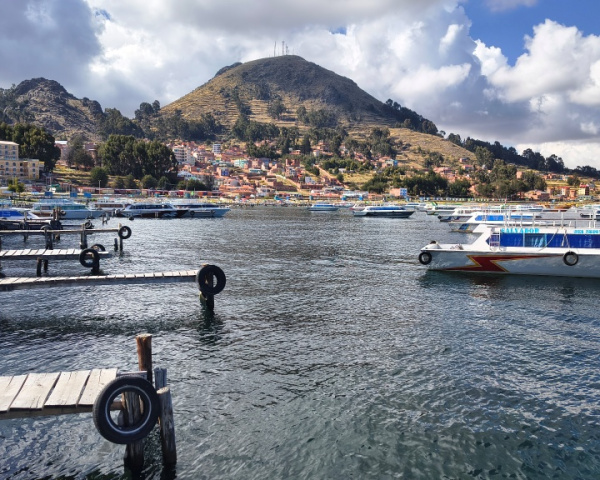
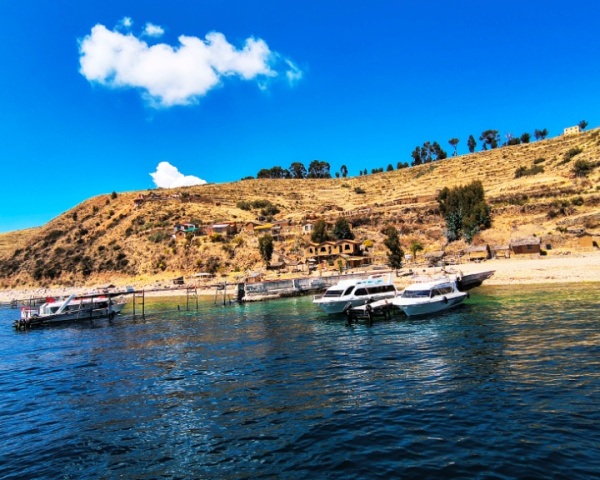
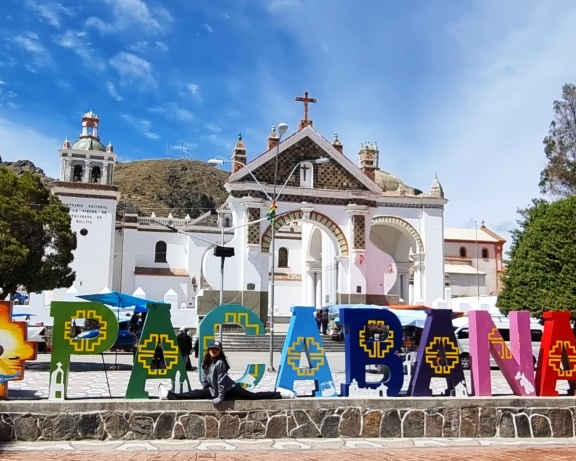
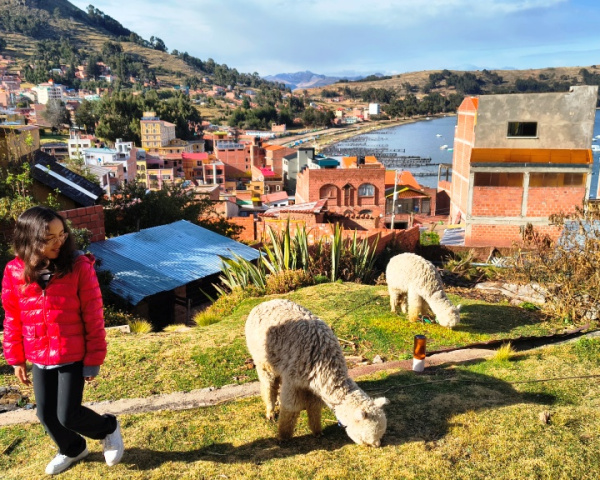
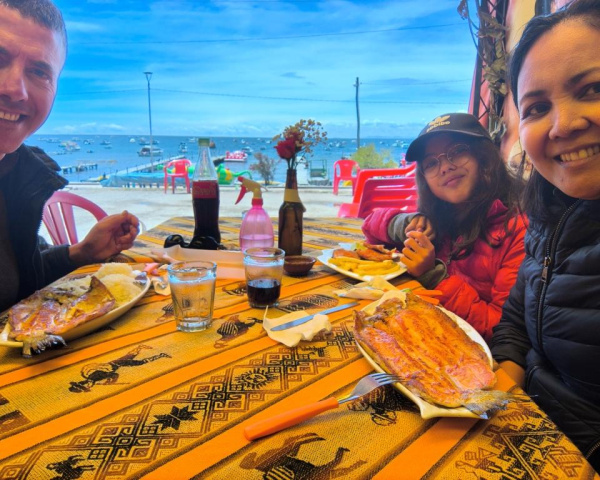
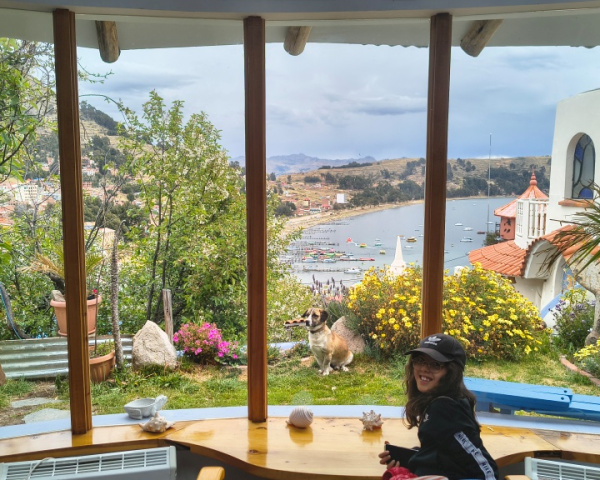
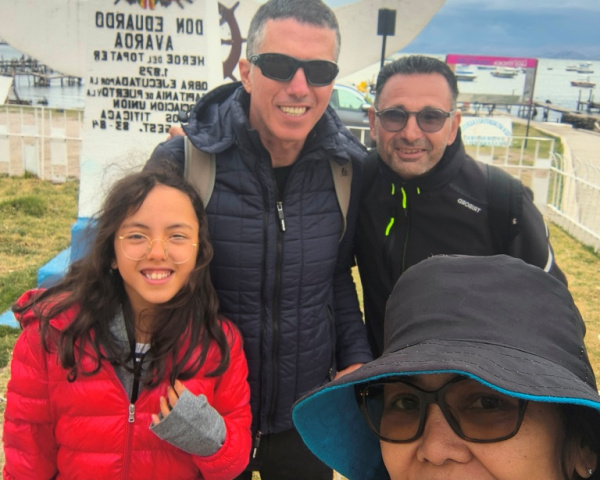
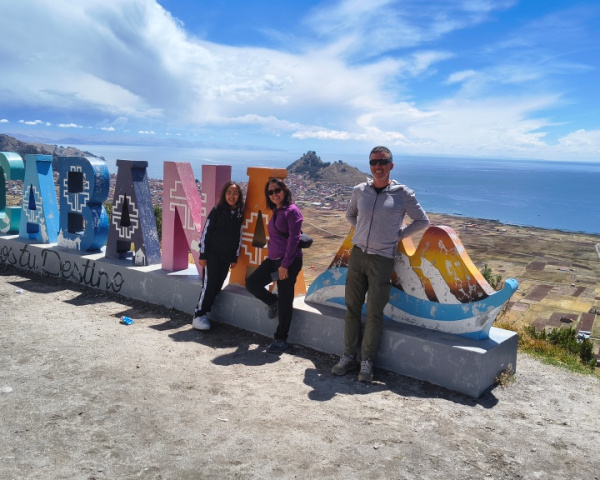
We flew back to La Paz, then took a private transfer to Copacabana, a charming fishing village on Lake Titicaca’s shores. The tranquil waters and stunning views provided a welcome respite from the bustling city. The laid-back atmosphere of this village and the gentle lapping of the lake’s waves were a soothing balm, rejuvenating our spirits for the next leg of our journey.
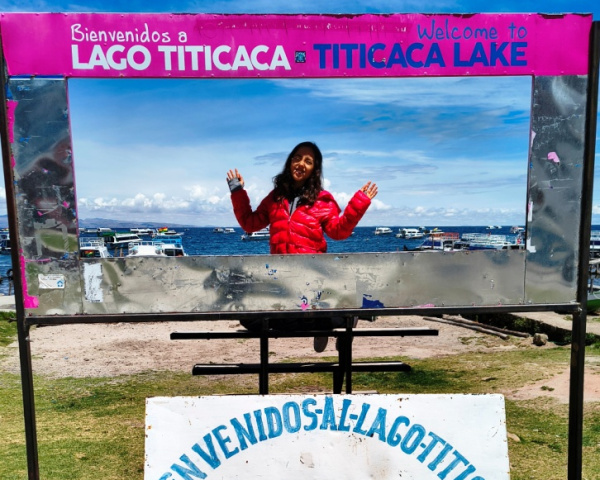
Nestled on the shores of the breathtaking Lake Titicaca, Copacabana is a charming town in Bolivia that offers a unique blend of natural beauty, cultural richness, and historical significance. As the highest navigable lake in the world, Lake Titicaca is a must-see attraction. Its deep blue waters, surrounded by the majestic Andes Mountains, provide a stunning backdrop.
Day 7: Isla de la Luna and Isla del Sol
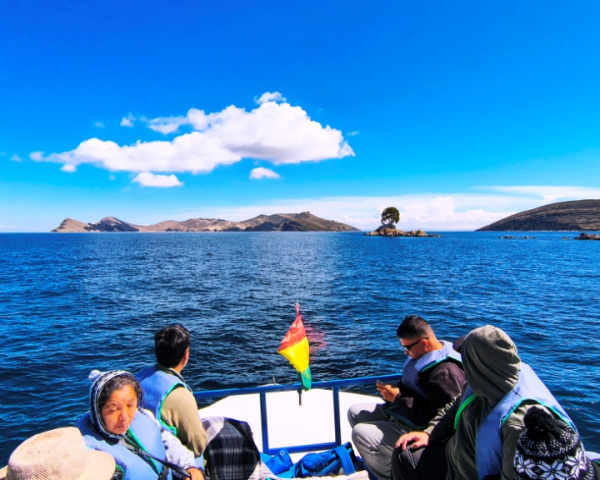
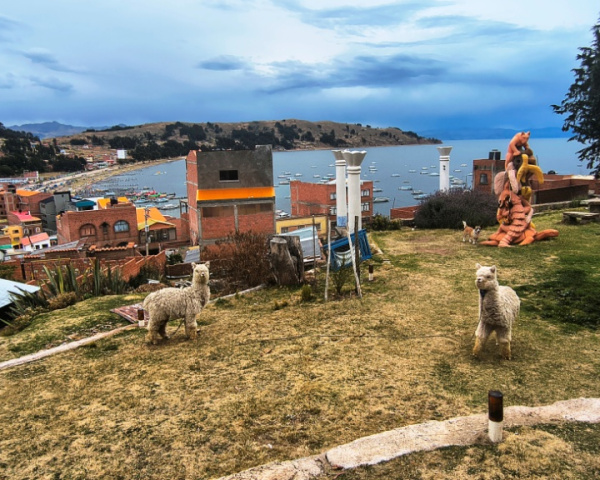
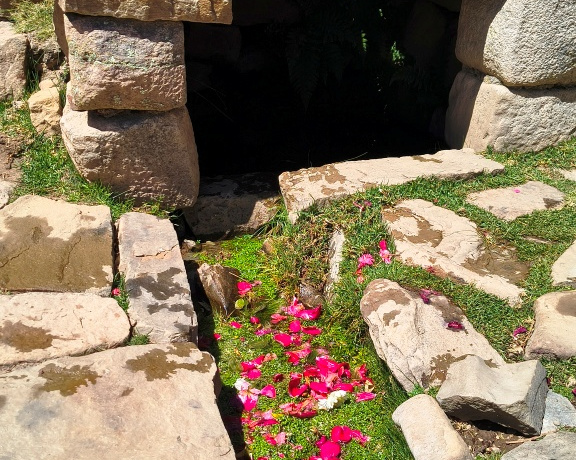
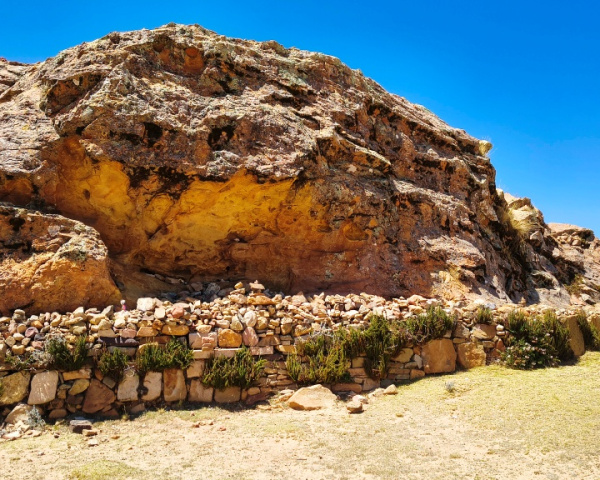
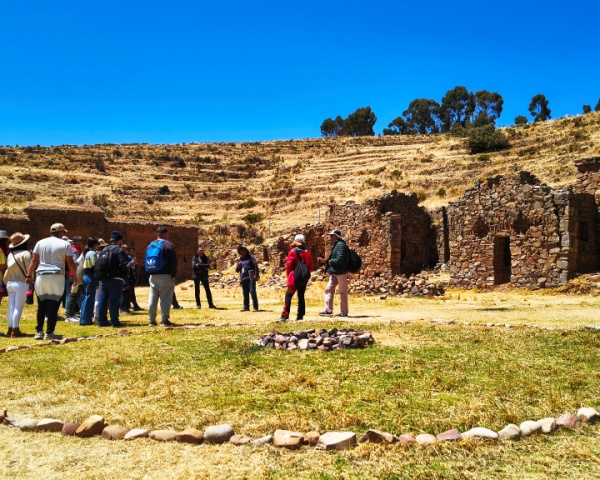
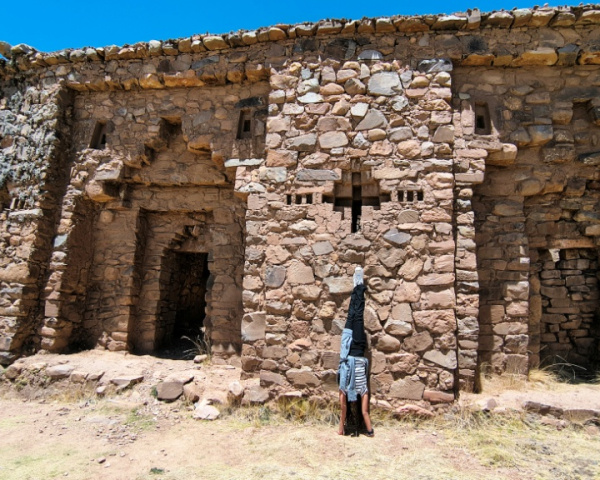
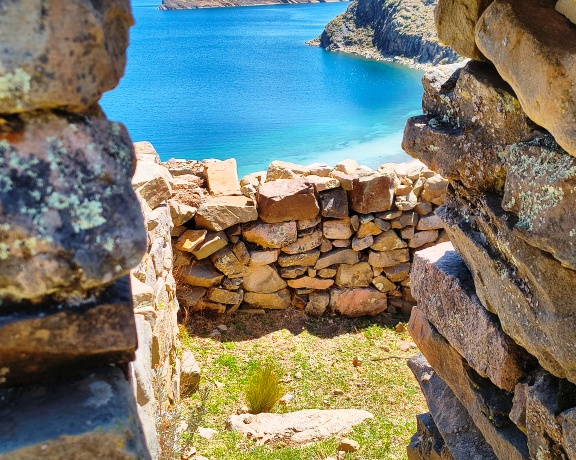
The next day, we sailed to Isla de la Luna, a small island known for its mystical allure and historical significance. According to legend, it was once home to Incan priestesses, and the modest ruins of the Temple of the Moon still echo with whispers of ancient rituals. The island’s serene atmosphere, with its stone walls and wildflower-dotted paths, invites reflection and a sense of connection to the past.
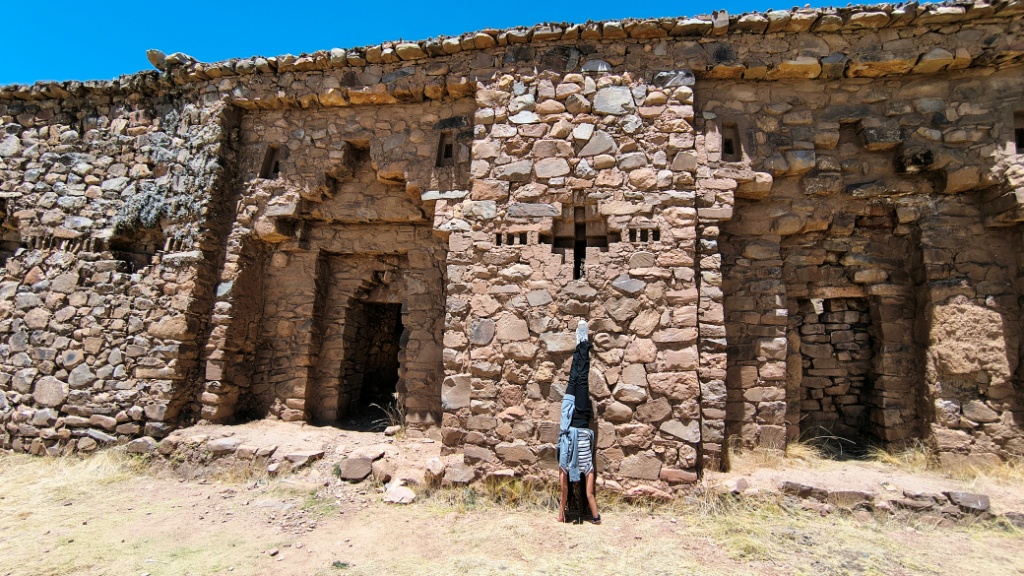
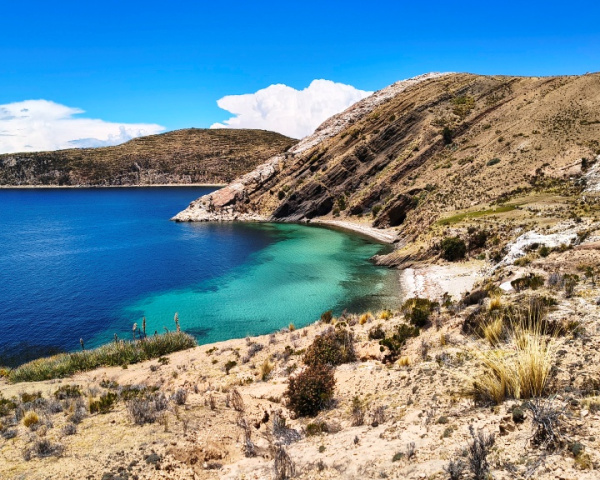
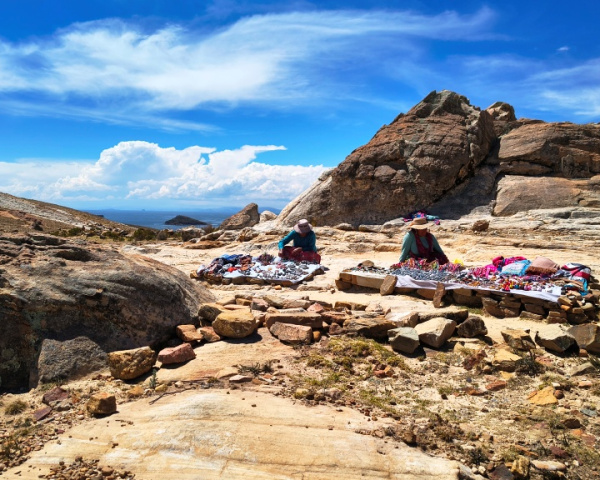
In contrast, Isla del Sol is steeped in Inca mythology and is larger and more vibrant. We climbed the ancient stone paths to the Sacred Rock, where legend says the first Incas were born. The island is dotted with terraced fields and small villages, providing a glimpse into traditional Andean life. The view across Lake Titicaca was endless, with waters reflecting the sky like glass. It was pure magic, as if time itself held its breath in reverence of the sacred surroundings.
The island’s energy was palpable, and as we explored its ancient paths, we felt part of a timeless story.
The Life of a Stray Dog in Bolivia
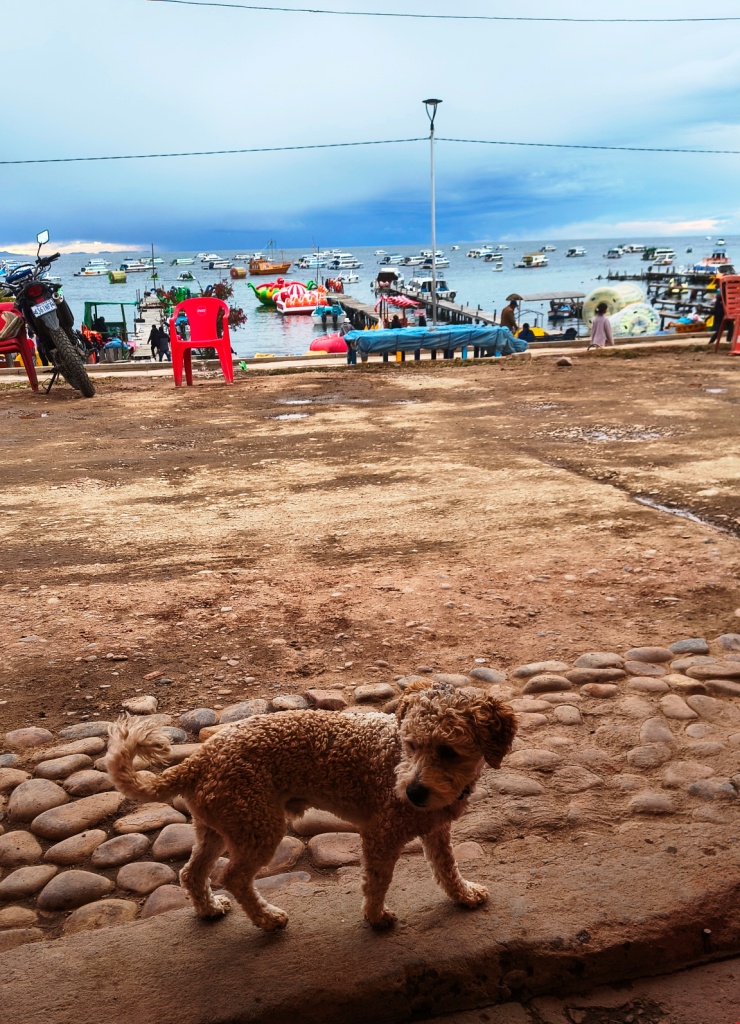
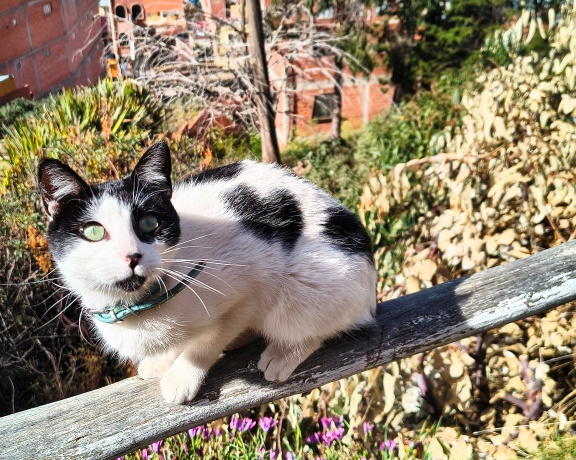
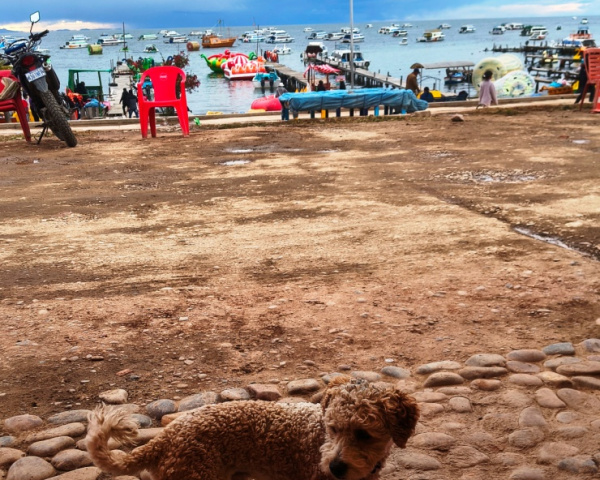
Stray dogs in Bolivia are a common sight, particularly in urban areas. Rather than being seen as a nuisance, many of these dogs are embraced by the communities they inhabit. Bolivians generally regard them with affection and respect, often providing food, water, and occasional shelter.
Unlike stray dogs in some other parts of the world, Bolivian strays are known for their gentle disposition. This can be attributed in part to the treatment they receive from the community. When animals are treated with kindness, they often respond in kind, creating a harmonious coexistence between humans and dogs.
Day 8: Farewell to Bolivia
As our journey in Bolivia was coming to an end, we found ourselves deeply in love with this country and its people, and also their gentle stray dogs who embody the land’s spirit.
In the afternoon, we boarded a bus to Puno, Peru, crossing the border on foot, leaving behind a country that captured our hearts. The memories of Bolivia, its breathtaking landscapes, and warm hospitality, will linger with us forever.
Bolivia was more than just a destination; it was an experience that awakened our senses and deepened our appreciation for the world’s beauty. We departed with lasting memories and a heart full of gratitude, eager to share our stories with others and inspire them to embark on their own Bolivian adventure.
Crossing into Peru
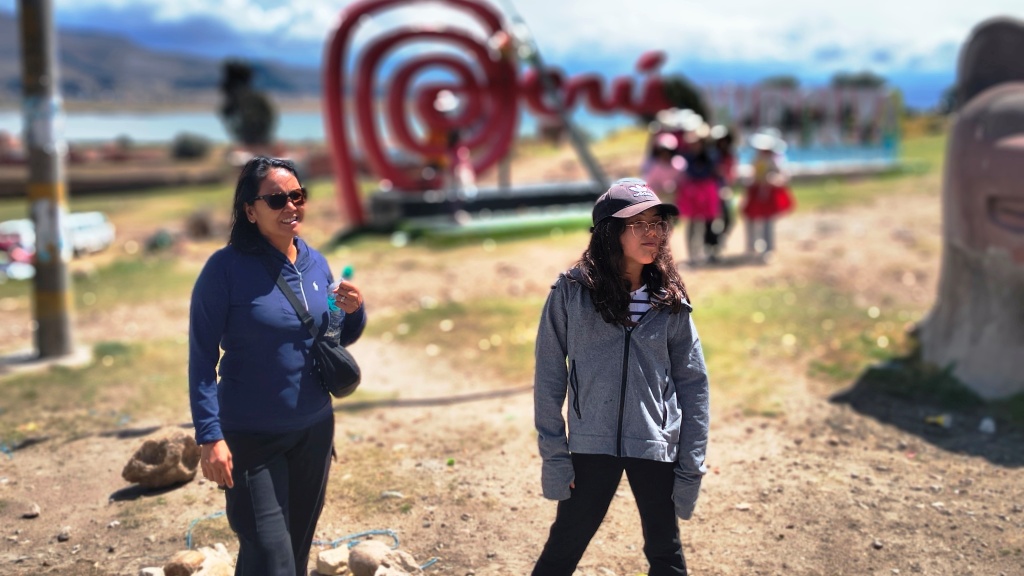
Crossing from Copacabana, Bolivia, into Peru on foot is a straightforward, scenic process at the Kasani border post, the main tourist route, where you get your Bolivian exit stamp and then walk a short distance to the Peruvian office for entry.












Leave a reply